Ecosystems and Environmental Interactions
From the Science final exam curriculum
TL;DR
Ecosystems are communities of living organisms interacting with their non-living environment, forming complex webs of relationships. Energy flows and nutrients cycle through these systems, supporting biodiversity and essential ecological services. Human activities significantly impact ecosystems, leading to environmental issues like climate change and habitat loss, which require conservation efforts.
1. The Mental Model
Think of an ecosystem as a giant, interconnected puzzle where every piece—from a tiny bacterium to a massive whale, and even the air and water—plays a role. If you move or change one piece, it affects everything else, creating a domino effect throughout the system.
2. The Core Material
An ecosystem is a community of living organisms (biotic components) interacting with each other and with their non-living physical and chemical environment (abiotic components). These interactions create a dynamic system where energy flows and matter cycles.
Biotic Components

Photo by Jeffry Surianto on Pexels
These are all the living or once-living parts of an ecosystem:
* Producers (Autotrophs): Organisms that create their own food, mainly through photosynthesis (e.g., plants, algae). They form the base of the food web.
* Consumers (Heterotrophs): Organisms that obtain energy by eating other organisms.
* Primary Consumers (Herbivores): Eat producers (e.g., deer, rabbits).
* Secondary Consumers (Carnivores/Omnivores): Eat primary consumers (e.g., foxes, snakes).
* Tertiary Consumers (Top Carnivores): Eat secondary consumers (e.g., eagles, sharks).
* Decomposers (Detritivores): Organisms that break down dead organic matter and waste, returning nutrients to the soil (e.g., bacteria, fungi, earthworms).
Abiotic Components
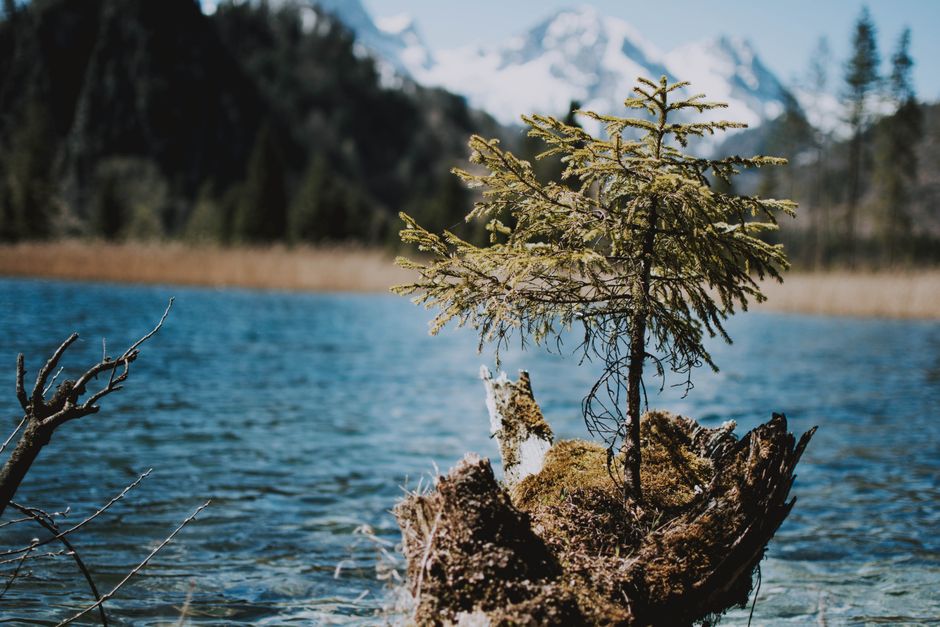
Photo by lil artsy on Pexels
These are the non-living physical and chemical factors:
* Sunlight: Primary energy source for most ecosystems.
* Water: Essential for all life processes.
* Temperature: Affects metabolic rates and species distribution.
* Soil/Substrate: Provides nutrients and physical support for plants.
* Atmosphere/Gases: Provides oxygen, carbon dioxide, and nitrogen.
* Nutrients: Minerals like nitrogen, phosphorus, and potassium.
Energy Flow and Nutrient Cycling
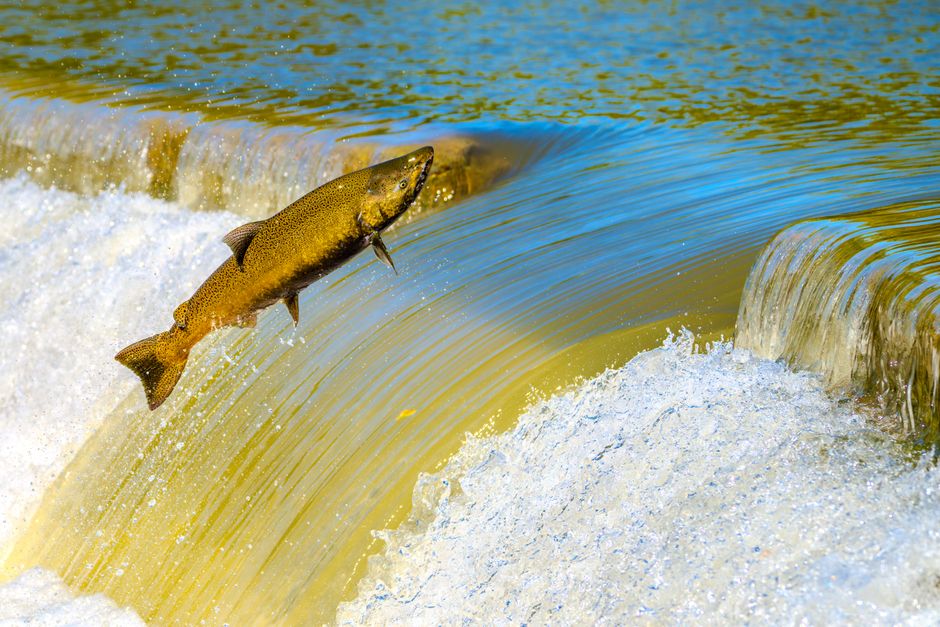
Photo by Héctor Berganza on Pexels
Energy in an ecosystem flows primarily in one direction, from producers to consumers, and is lost as heat at each transfer. Nutrients, however, cycle within the ecosystem, being reused repeatedly.
graph TD
    A["Sunlight Energy"] --> B["Producers (Plants)"]
    B --> C["Primary Consumers (Herbivores)"]
    C --> D["Secondary Consumers (Carnivores)"]
    D --> E["Tertiary Consumers (Top Carnivores)"]
    B --> F["Decomposers (Bacteria, Fungi)"]
    C --> F
    D --> F
    E --> F
    F --> G["Nutrients in Soil/Water"]
    G --> B
- Food Chains: Show a single pathway of energy flow (e.g., grass → rabbit → fox).
- Food Webs: Interconnected food chains, showing multiple feeding relationships within an ecosystem.
Environmental Interactions

Photo by Oktavianus Mulyadi on Pexels
Organisms interact with each other in various ways:
* Competition: Two or more organisms need the same limited resource (e.g., two plants competing for sunlight).
* Predation: One organism (predator) kills and eats another (prey) (e.g., lion hunting a zebra).
* Symbiosis: Close, long-term interaction between two different species.
* Mutualism: Both species benefit (e.g., bees pollinating flowers).
* Commensalism: One species benefits, the other is unaffected (e.g., barnacles on a whale).
* Parasitism: One species (parasite) benefits at the expense of the other (host) (e.g., ticks on a dog).
Human Impacts on Ecosystems
Human activities significantly alter ecosystems:
* Habitat Destruction: Clearing forests for agriculture or urbanization.
* Pollution: Air, water, and soil contamination (e.g., plastic waste, industrial chemicals).
* Climate Change: Greenhouse gas emissions leading to global warming, sea-level rise, and extreme weather.
* Overexploitation: Unsustainable harvesting of resources (e.g., overfishing, deforestation).
* Invasive Species: Introduction of non-native species that outcompete native ones.
Conservation and Sustainability
Efforts to protect ecosystems and biodiversity:
* Protected Areas: National parks, wildlife refuges.
* Sustainable Practices: Renewable energy, responsible farming, waste reduction.
* Restoration Ecology: Rebuilding damaged ecosystems.
* Environmental Policy: Laws and regulations to protect the environment.
3. Worked Example
Let's consider a forest ecosystem.
- Producers: Oak trees, ferns, mosses. They capture sunlight to create energy.
- Primary Consumers: Deer eat oak leaves and acorns; rabbits eat ferns; caterpillars eat leaves.
- Secondary Consumers: Foxes hunt rabbits; birds eat caterpillars; snakes eat small birds.
- Tertiary Consumers: A hawk might prey on a snake or a fox.
- Decomposers: Fungi growing on fallen logs, bacteria in the soil breaking down dead leaves and animal waste.
If a severe drought occurs (an abiotic change), the oak trees might produce fewer acorns. This scarcity of food would then affect the deer and squirrels (primary consumers), potentially leading to a decrease in their population. In turn, predators like foxes that rely on deer and squirrels for food would also be affected, demonstrating the interconnectedness of the food web and the impact of abiotic factors.
4. Key Takeaways
- Ecosystems are made of living (biotic) and non-living (abiotic) parts that constantly interact.
- Energy flows mostly in one direction, from producers up the food web, with some loss at each step.
- Nutrients, unlike energy, are continuously recycled within an ecosystem thanks to decomposers.
- Different species interact through competition, predation, and various forms of symbiosis.
- Human activities like pollution and habitat loss are major threats to ecosystem health and biodiversity.
- Conservation and sustainable practices are crucial for protecting ecosystems and the services they provide.
- Understanding food webs helps predict how changes to one species can impact an entire ecosystem.
Common Mistakes to Avoid:
* Confusing energy flow with nutrient cycling; remember energy flows through, nutrients cycle within.
* Forgetting the critical role of decomposers in nutrient recycling.
* Underestimating the impact of abiotic factors on biotic components.
* Thinking of food chains as isolated instead of interconnected food webs.
* Not recognizing that even small human actions can have large ecosystem-wide consequences.
5. Now Try It
Spend 15 minutes describing a local ecosystem you're familiar with (like a pond, a park, or even your backyard). Identify at least three biotic components (naming specific organisms if possible) and three abiotic components. Then, describe one interaction between two biotic components and one interaction between a biotic and an abiotic component. Finally, suggest one human impact on this ecosystem and one potential solution.
Frequently asked about Ecosystems and Environmental Interactions
Study this next
Get the full Science final exam curriculum
Clone the complete plan to your dashboard for unlimited AI-generated notes, practice quizzes, and a personalised revision schedule.
Save this course free