Introduction to Mesopotamia and its Geography
From the mesopotamia curriculum
TL;DR
Mesopotamia, meaning "land between two rivers," was a fertile region in the Middle East crucial for early human civilization. Its geography, dominated by the Tigris and Euphrates rivers, allowed for agriculture, which in turn led to the development of cities and complex societies. Understanding this unique riverine environment is key to grasping Mesopotamia's history and cultural achievements.
1. The Mental Model
Imagine a large, flat plain, mostly dry, but with two massive rivers flowing right through it. These rivers bring life-giving water and rich soil, creating a green ribbon of fertility in an otherwise arid land. This "green ribbon" is where people settled, farmed, and built the world's first cities.
2. The Core Material
Mesopotamia refers to the historical region in Western Asia, situated within the Tigris–Euphrates river system. Geographically, it corresponds to modern-day Iraq, Kuwait, parts of northeastern Syria, southeastern Turkey, and southwestern Iran. The name itself comes from ancient Greek, literally meaning "between two rivers" (μεσοποταμία).
The two defining rivers are the Tigris and the Euphrates. Both originate in the mountains of eastern Anatolia (modern Turkey) and flow southeast, eventually emptying into the Persian Gulf.
Here's how the geography influenced life:
Riverine Environment and Agriculture
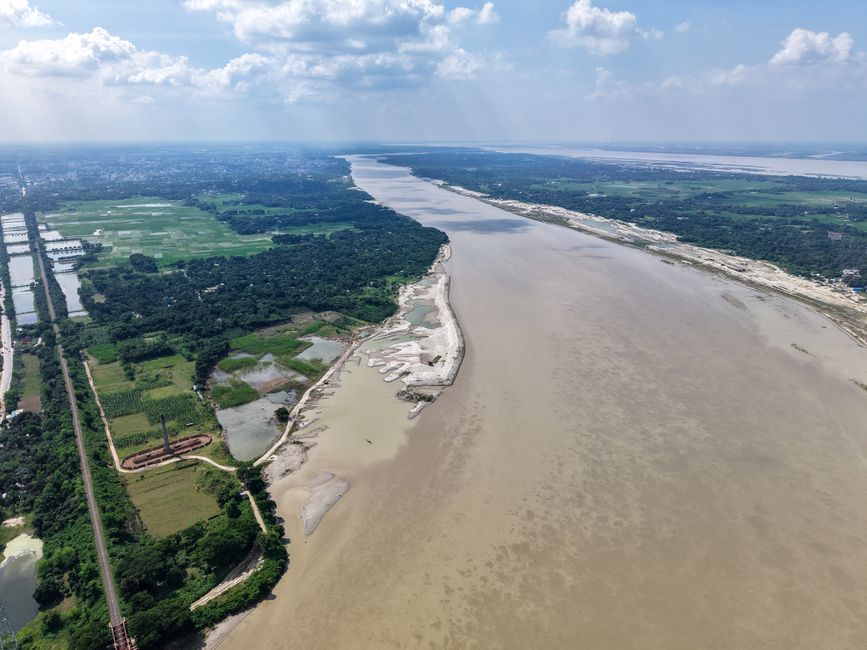
Photo by Sarowar Hussain on Pexels
The annual flooding of the Tigris and Euphrates was unpredictable but vital. These floods deposited silt, a rich, fertile soil, onto the plains, making them incredibly productive for farming. This natural fertilization, combined with the availability of water for irrigation, allowed early Mesopotamians to cultivate crops like barley and wheat on a large scale. This agricultural surplus was the foundation for everything else that followed.
Lack of Natural Barriers

Photo by cottonbro studio on Pexels
Unlike Egypt, which had deserts and seas protecting it, Mesopotamia was relatively open. This meant it was more susceptible to invasions and migrations, leading to a dynamic history of different peoples and cultures interacting and sometimes clashing.
Resource Scarcity

Photo by Pyae Phyo Aung on Pexels
While fertile, Mesopotamia lacked other essential resources like timber, stone, and metals. This scarcity forced Mesopotamians to develop extensive trade networks with neighboring regions, exchanging their agricultural products for needed raw materials.
Here's a simple flow of how geography led to civilization:
graph TD
    A["Tigris & Euphrates Rivers"] --> B["Annual Flooding & Silt Deposition"];
    B --> C["Fertile Soil & Water for Irrigation"];
    C --> D["Agricultural Surplus (Barley, Wheat)"];
    D --> E["Population Growth & Sedentary Lifestyles"];
    E --> F["Development of Villages"];
    F --> G["Emergence of Cities & Complex Societies"];
    G --> H["Need for Trade (Lack of Stone, Timber)"];
Regions within Mesopotamia

Photo by burcubyzt_85 on Pexels
Historically, Mesopotamia is often divided into two main regions:
- Northern Mesopotamia (Assyria): Generally more mountainous and hilly, with rainfall allowing for some dry farming. Cities like Ashur were prominent here.
- Southern Mesopotamia (Sumer and Akkad): A flat, alluvial plain, heavily reliant on irrigation from the rivers. This is where the earliest cities like Ur, Uruk, and Babylon developed. The immense fertility of this southern region was key to the rise of the first civilizations.
3. Worked Example
Let's consider the ancient city of Uruk, one of the earliest and most important cities in Southern Mesopotamia. Its location on the Euphrates River was no accident. The river provided not only a constant water source for drinking and sanitation but, critically, enabled sophisticated irrigation systems. Farmers diverted river water through a network of canals to fields miles away, allowing them to grow vast quantities of barley. This food surplus supported a dense population, freed many people from direct farming, and allowed for the specialization of labor (priests, craftspeople, soldiers), all of which are hallmarks of complex urban society. Without the fertile river plain and the ability to harness its water, Uruk couldn't have grown from a small settlement into the first true metropolis.
4. Key Takeaways
- Mesopotamia means "land between two rivers," referring to the Tigris and Euphrates.
- These rivers were the lifelines, providing water for irrigation and depositing fertile silt.
- Agricultural surplus from river-fed farming was the foundation for Mesopotamian civilization.
- The region's lack of natural barriers made it vulnerable but also dynamic.
- Scarcity of resources like timber and stone led to extensive trade networks.
- Southern Mesopotamia (Sumer/Akkad) was a flat, alluvial plain, crucial for early cities.
- Northern Mesopotamia (Assyria) was more mountainous, with some dry farming.
Common mistakes you should avoid:
- Thinking Mesopotamia was a single, unified empire for most of its history; it was a region of many different city-states and empires.
- Underestimating the importance of irrigation technology; it was critical for sustaining agriculture.
- Confusing the Tigris and Euphrates rivers; while they flow in the same region, their specific courses and impacts on different cities varied.
- Assuming the climate was always exactly as it is today; historical climate shifts also played a role.
5. Now Try It
Imagine you are an ancient Mesopotamian settler looking for a place to establish a new farm and village. Considering what you've learned about the geography, describe three specific factors you would look for in a location along either the Tigris or Euphrates, and explain why each factor is important for the survival and growth of your community.
Success looks like: You've clearly identified three geographical features directly related to the rivers and explained their practical benefit for farming, access to resources, or protection in the Mesopotamian context.
Frequently asked about Introduction to Mesopotamia and its Geography
Study this next
Get the full mesopotamia curriculum
Clone the complete plan to your dashboard for unlimited AI-generated notes, practice quizzes, and a personalised revision schedule.
Save this course free