Introduction to Geography and Physical Geography
From the geography curriculum
TL;DR
Geography is the study of Earth's landscapes, peoples, places, and environments, explaining where things are and why they are there. It's broadly divided into physical geography (natural systems) and human geography (human interaction). Physical geography focuses on Earth's natural features like landforms, climate, and ecosystems.
1. The Mental Model
Think of geography as understanding Earth as one giant, interconnected system. You're looking at patterns and processes, trying to figure out how everything from mountains to weather patterns works and how they influence each other.
2. The Core Material
Geography is a huge field, but it's typically broken down into two main branches: physical geography and human geography.
What is Geography?
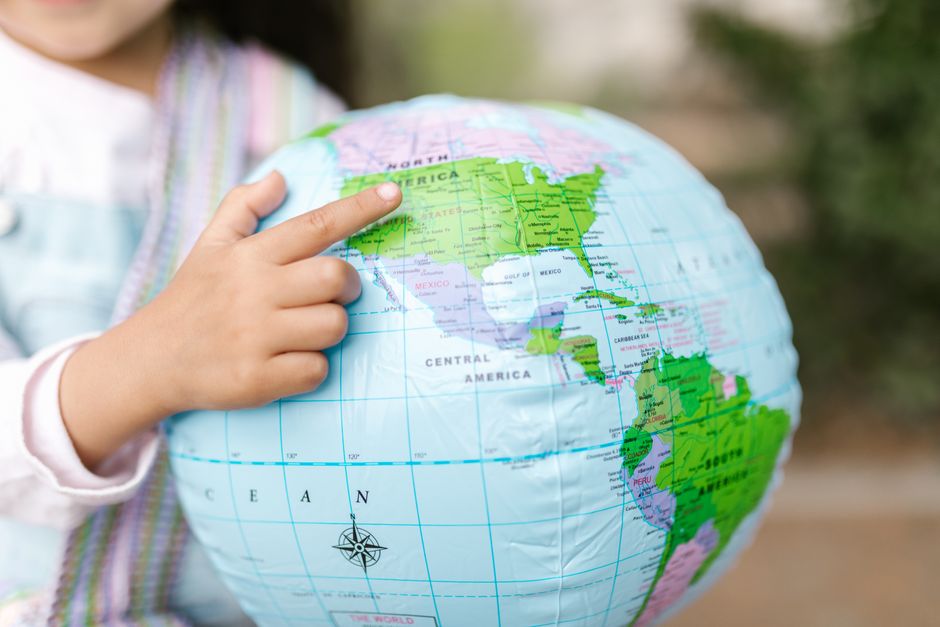
Photo by RDNE Stock project on Pexels
At its core, geography is about asking "where?" and "why there?" for everything on Earth. It's not just about memorizing names of places; it's about understanding the relationships between places, environments, and people. It helps us understand the world's complex issues, from climate change to urbanization.
Physical Geography

Photo by Ivan Larin on Pexels
This is the branch that deals with the natural environment. It looks at the processes and patterns of the Earth's surface, atmosphere, and oceans. Think of it as Earth science with a spatial perspective.
Here are some key areas within physical geography:
- Geomorphology: The study of landforms and the processes that create them (like erosion, glaciation, volcanism).
- Climatology: The study of Earth's climate, weather patterns, and how they change over time.
- Biogeography: The study of the distribution of plants and animals, and how the environment affects them.
- Hydrology: The study of water on Earth (rivers, lakes, oceans, groundwater).
- Pedology: The study of soils, their formation, characteristics, and distribution.
- Oceanography: The study of the oceans, including their physical, chemical, and biological properties.
Physical geography often uses tools like remote sensing (satellites), Geographic Information Systems (GIS), and fieldwork to collect and analyze data. Understanding these natural systems is crucial for addressing environmental challenges and managing natural resources.
graph TD
    A["Geography"] --> B["Physical Geography"]
    A --> C["Human Geography"]

    B --> D["Geomorphology (Landforms)"]
    B --> E["Climatology (Weather & Climate)"]
    B --> F["Biogeography (Life Distribution)"]
    B --> G["Hydrology (Water)"]
    B --> H["Pedology (Soils)"]
    B --> I["Oceanography (Oceans)"]

    C --> J["Population Geography"]
    C --> K["Economic Geography"]
    C --> L["Cultural Geography"]
    C --> M["Urban Geography"]
Human Geography

Photo by Nothing Ahead on Pexels
While we're focusing on physical geography, it's good to know human geography studies how human activity affects and is affected by the Earth. This includes things like population distribution, cultural landscapes, economic activities, and political boundaries. The two branches often overlap, as human activities significantly impact natural environments (e.g., deforestation affecting climate, urban development changing river courses).
3. Worked Example
Let's consider the Amazon Rainforest.
From a physical geography perspective, you'd analyze:
1. Climatology: Its equatorial location gives it high temperatures and rainfall year-round, leading to a tropical rainforest climate.
2. Hydrology: The Amazon River system, the largest in the world by discharge, is crucial for transporting water and nutrients, shaping the landscape, and supporting vast biodiversity.
3. Biogeography: The incredible biodiversity of plants and animals is directly linked to the consistent warm, wet climate and abundant water.
4. Geomorphology: The vast, flat Amazon basin, shaped by river deposition, allows for the extensive spread of the forest.
5. Pedology: The soils, while often nutrient-poor due to rapid decomposition and leaching, are crucial for supporting the forest's massive biomass through rapid nutrient cycling.
This example shows how different aspects of physical geography combine to create and maintain such a unique and vital ecosystem.
4. Key Takeaways
- Geography explains where things are and why they're located there.
- It's split into physical geography (natural features/processes) and human geography (human-environment interaction).
- Physical geography explores landforms, climate, water bodies, soils, and living organisms.
- Key sub-disciplines include geomorphology, climatology, biogeography, and hydrology.
- Understanding physical geography is essential for tackling environmental issues and managing resources.
- Geographers use tools like GIS and remote sensing to study the Earth.
Common Mistakes to Avoid:

Photo by KATRIN BOLOVTSOVA on Pexels
- Don't confuse geography with just memorizing capitals or countries; it's about understanding processes and relationships.
- Don't think physical geography is entirely separate from human geography; they constantly influence each other.
- Don't assume all landscapes are static; physical processes are constantly shaping and changing the Earth.
- Don't overlook the importance of scale; geographic patterns and processes can be observed from local to global levels.
5. Now Try It
Take any major natural feature you know (e.g., the Sahara Desert, the Himalayan Mountains, the Great Barrier Reef). Spend 15 minutes researching it specifically through the lens of physical geography. Identify at least three different physical geography sub-disciplines (like climatology, geomorphology, or hydrology) that are relevant to understanding that feature, and explain why.
Success looks like: You can clearly articulate how specific natural processes or elements (e.g., wind erosion, tectonic plate movement, ocean currents) have shaped or define your chosen feature, linking them back to the physical geography concepts we just discussed.
Frequently asked about Introduction to Geography and Physical Geography
Study this next
Get the full geography curriculum
Clone the complete plan to your dashboard for unlimited AI-generated notes, practice quizzes, and a personalised revision schedule.
Create Free Account