Introduction to Geography and the Earth
From the Geography form 1 curriculum
TL;DR
Geography is the study of the Earth's surface, including its physical features and human activities. It helps us understand where things are, why they're there, and how they interact. This topic will introduce you to the basic concepts of geography and our planet, Earth.
1. The Mental Model
Think of geography as a big detective story where the Earth is the scene and you're the detective trying to figure out what's happening, where it's happening, and why. It's all about locations, patterns, and connections.
2. The Core Material
Geography comes from two Greek words: "geo" meaning Earth and "graphy" meaning to write or describe. So, literally, it's about describing the Earth. But it's much more than just descriptions; it's about understanding the relationships between things.
What is Geography?
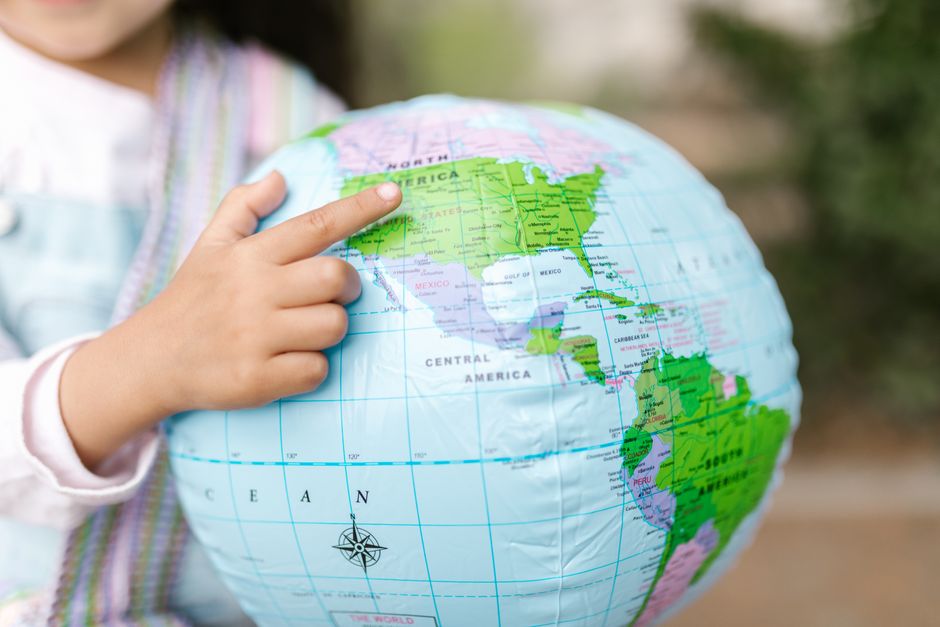
Photo by RDNE Stock project on Pexels
Geography is the study of the Earth's surface and the processes that shape it. This includes:
* Physical Geography: Natural features like mountains, rivers, oceans, climate, and vegetation.
* Human Geography: How humans interact with the environment, including population, cultures, cities, and economic activities.
Importance of Studying Geography
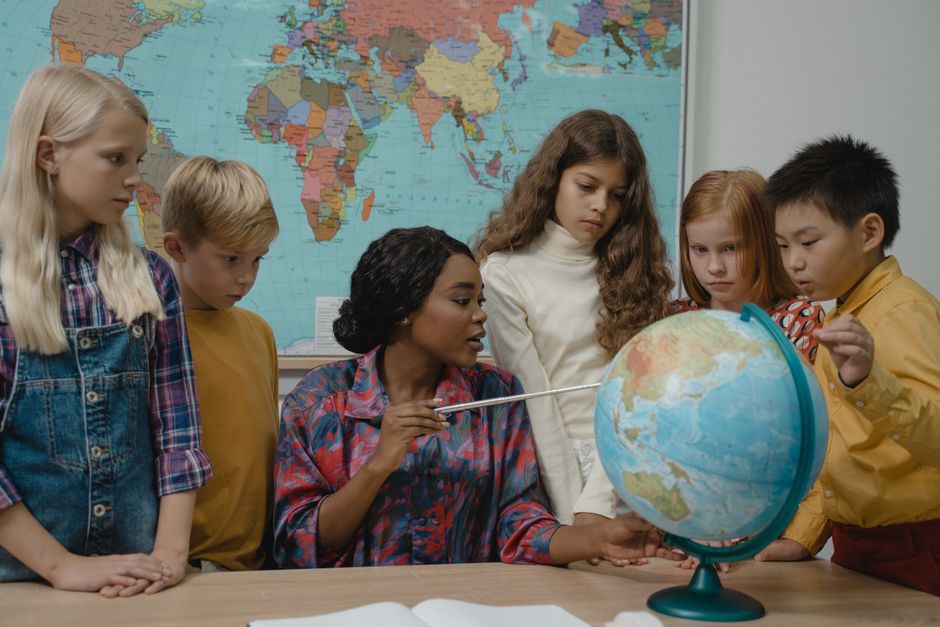
Photo by Tima Miroshnichenko on Pexels
Geography helps us:
* Understand our local and global environment.
* Make informed decisions about resource management and planning.
* Appreciate cultural diversity and global interdependence.
* Navigate and understand maps.
The Earth as a Planet

Photo by Zelch Csaba on Pexels
The Earth is the third planet from the Sun and the only known planet to support life.
* It's a roughly spherical shape, slightly flattened at the poles, which we call an oblate spheroid.
* Its surface is made up of about 71% water and 29% land.
* It has layers: the crust (outermost), mantle, and core (innermost).
Here's a simple way to visualize the main branches of geography:
graph TD
    A["Geography"] --> B["Physical Geography"]
    A --> C["Human Geography"]
    B --> D["Landforms (e.g., mountains, valleys)"]
    B --> E["Climate (e.g., temperature, rainfall)"]
    B --> F["Water Bodies (e.g., oceans, rivers)"]
    C --> G["Population (e.g., distribution, growth)"]
    C --> H["Culture (e.g., languages, religions)"]
    C --> I["Settlements (e.g., cities, towns)"]
Key Geographic Concepts
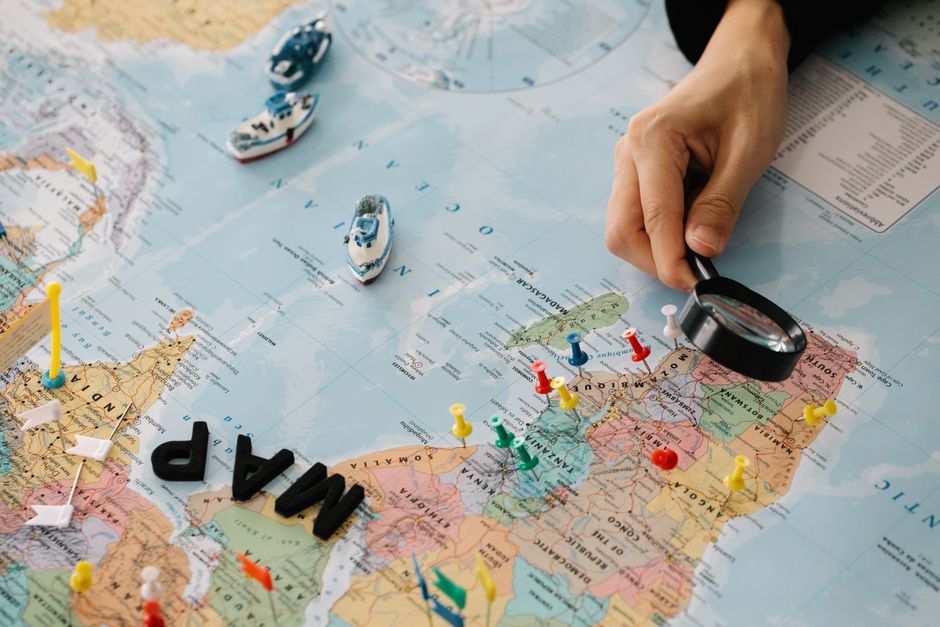
Photo by Lara Jameson on Pexels
- Location: Where something is. This can be absolute (exact coordinates like latitude and longitude) or relative (in relation to other places, e.g., "north of the school").
- Place: The unique characteristics of a location, both physical (e.g., climate, landforms) and human (e.g., culture, buildings).
- Region: An area defined by common characteristics, which can be physical (e.g., a desert region) or human (e.g., a farming region).
- Movement: How people, goods, and ideas travel from one place to another.
- Human-Environment Interaction: How humans adapt to and modify their environment, and how the environment affects human life.
3. Worked Example
Let's think about a specific place: Your school.
- Absolute Location: You could find its exact latitude and longitude using a map or GPS. For example, 1°N, 36°E (this is just an example; your school's coordinates will be different!).
- Relative Location: Your school might be "next to the market," "across from the big tree," or "down the road from the chief's office."
- Place Characteristics: Physically, it might have a playground, some trees, and be on flat ground. Humanly, it has classrooms, students, teachers, and a specific school culture or uniform.
- Region: Your school is part of a larger town or village, which might be in an agricultural region or a dry region.
- Movement: Students move to school from their homes. Teachers move to and from school. Supplies are delivered. Information (ideas) is shared.
- Human-Environment Interaction: Maybe your school has planted trees for shade (humans modifying the environment). Or, if it rains heavily, students might struggle to get to school (environment affecting humans).
4. Key Takeaways
- Geography is the study of the Earth's surface and the interactions between its physical and human aspects.
- It is divided into physical geography (natural features) and human geography (human activities).
- Understanding geography helps us comprehend global issues and local environments.
- The Earth is an oblate spheroid with 71% water and 29% land.
- Key geographical concepts include location, place, region, movement, and human-environment interaction.
Common Mistakes to Avoid:
- Don't confuse physical geography with geology; geology focuses on Earth's composition and history, while geography looks at the surface.
- Don't think of geography as just memorizing names of places; it's about understanding why things are where they are.
- Don't forget that humans are a huge part of geography and constantly interact with the environment.
- Don't overlook the importance of scale – geography can be studied from a local park to the entire globe.
5. Now Try It
Choose a local landmark or a place you visit often (like a market, a specific hill, or a river). Spend 15 minutes observing it and then write down examples of how each of the five key geographic concepts (location, place, region, movement, human-environment interaction) applies to that specific place. What makes it unique?
Frequently asked about Introduction to Geography and the Earth
Study this next
Get the full Geography form 1 curriculum
Clone the complete plan to your dashboard for unlimited AI-generated notes, practice quizzes, and a personalised revision schedule.
Save this course free