Contemporary Graphic Arts: The Digital Age and Global Trends
From the Graphic Art History curriculum
TL;DR
The digital age has completely reshaped graphic arts, moving from physical to screen-based creation and consumption. This shift has democratized design, allowing for global collaboration and the rapid sharing of diverse visual styles. Digital tools and internet access are the primary drivers of today's graphic design landscape.
1. The Mental Model
Think of graphic art as having gone through a massive upgrade. It's like moving from painting with brushes and canvas to creating masterpieces with powerful software and an infinite palette, all while connected to a global art gallery.
2. The Core Material
Contemporary graphic arts are defined by two major forces: the digital revolution and global interconnectedness. These aren't just trends; they're fundamental shifts that have changed how graphic art is made, shared, and consumed.
The Digital Revolution in Graphic Arts
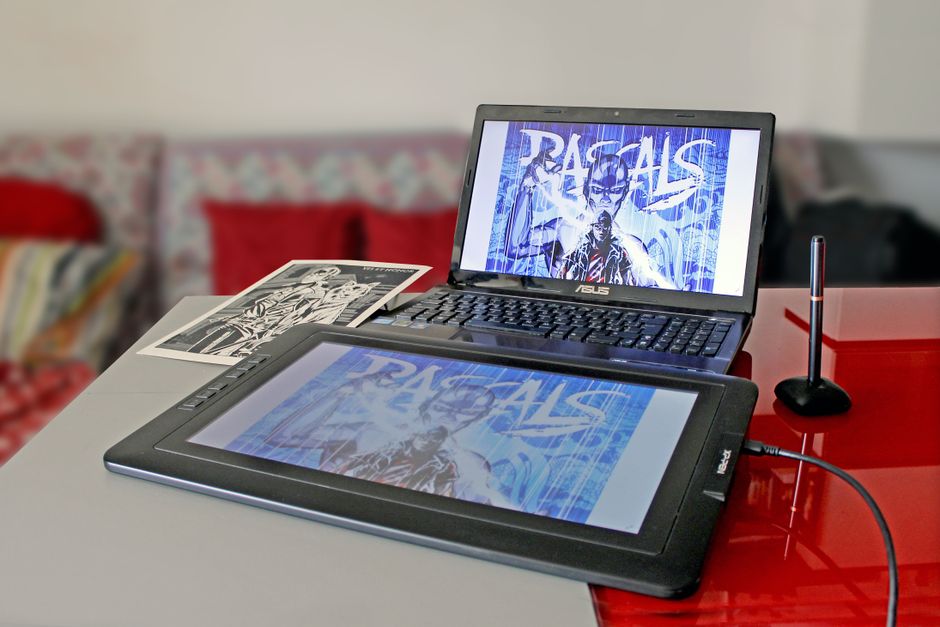
Photo by Daniele on Pexels
Before the digital age, graphic design was largely a physical process: drawing, typesetting with lead blocks, photography, and printing presses. The advent of personal computers and specialized software (like Adobe Photoshop, Illustrator, and InDesign) transformed this.
- Software Power: Digital tools offer unparalleled control, speed, and non-destructive editing. You can experiment endlessly, undo mistakes, and produce multiple variations of a design much faster than ever before.
- Vector vs. Raster: This is a core concept. Raster graphics (like photos) are made of pixels; scaling them up makes them blurry. Vector graphics (like logos, illustrations) use mathematical paths; they can be scaled infinitely without losing quality. Digital tools allow seamless work with both.
- New Mediums: Graphic art isn't just for print anymore. Web design, UI/UX (User Interface/User Experience) for apps, motion graphics, and even virtual reality experiences are now major fields within graphic arts, all driven by digital technology.
Global Trends and Accessibility
Photo by Eduardo Escalante on Pexels
The internet has been a game-changer. It's broken down geographical barriers, allowing designers to collaborate internationally and draw inspiration from cultures worldwide.
- Democratization of Design: Affordable software and online tutorials mean almost anyone with a computer can learn graphic design. This has led to an explosion of diverse voices and styles.
- Cultural Fusion: Designers routinely blend aesthetics from different cultures, creating new, hybrid styles. Think of how Japanese manga influences Western animation, or how African patterns appear in European fashion.
- Instant Feedback and Sharing: Platforms like Behance, Dribbble, and Instagram allow designers to share their work instantly with a global audience, get feedback, and build a portfolio without traditional gatekeepers.
- Open Source and Community: The growth of open-source design tools (like GIMP or Inkscape) and online design communities further amplifies this accessibility and sharing.
Here's a simple flow of how these elements connect:
graph TD
    A["Digital Software & Tools"] --> B["Non-Destructive Editing"];
    A --> C["New Design Mediums (Web, UI/UX, Motion)"];
    B --> D["Increased Speed & Experimentation"];
    C --> E["Broader Application of Design"];
    D --> F["Democratization of Design"];
    F --> G["Cultural Fusion in Styles"];
    G --> H["Global Sharing & Collaboration"];
    H --> I["Rapid Evolution of Trends"];
    I --> J["Constant Learning Required"];
The Role of AI in Contemporary Graphic Arts

Photo by Google DeepMind on Pexels
Artificial Intelligence (AI) is rapidly becoming a significant trend. Tools like Midjourney, DALL-E, and Adobe Firefly can generate images from text prompts (text-to-image), create variations, or assist with tasks like image manipulation and content recognition. This doesn't replace designers but changes the workflow, making some tasks faster and opening new creative avenues for exploration and iteration. It's like having an incredibly fast, but sometimes unpredictable, assistant.
3. Worked Example
Imagine you're designing a logo for a new global tech startup.
Traditional Approach (pre-digital):
You'd sketch ideas by hand, trace them onto paper, use exacto knives to cut stencils for type, perhaps use rub-down lettering, then create multiple physical mock-ups, photograph them, and mail them to the client for feedback. Revisions would mean starting much of the process over.
Contemporary Digital Approach:
1. Sketch Digitally: You might start with quick sketches on a tablet using an app like Procreate, or directly in Adobe Illustrator with a drawing tablet.
2. Vector Creation: Translate chosen sketches into vector graphics in Illustrator. This ensures the logo can be scaled from a tiny app icon to a massive billboard without losing quality.
3. Color & Typography: Experiment with hundreds of fonts from online libraries and thousands of color variations instantly within the software.
4. Mock-ups: Use Photoshop to quickly place the logo on realistic mock-ups of websites, business cards, and merchandise.
5. Global Feedback: Share a secure link to your digital presentation with the client (who might be in another country) via email or a collaboration platform. They provide immediate feedback.
6. Rapid Iteration: Make changes instantly based on feedback. Because it's digital and non-destructive, you can revert to earlier versions easily.
7. Asset Delivery: Deliver the final logo in various digital formats (.AI, .SVG, .PNG, .JPG) suitable for web, print, and branding guidelines, all created from one master file.
This entire process, which once took weeks or months, can now be condensed into days or even hours, allowing for far more refinement and client satisfaction.
4. Key Takeaways
- Digital software (like Adobe Creative Suite) and the internet are the twin pillars of contemporary graphic arts.
- The shift to digital enables non-destructive editing, rapid iteration, and the creation of versatile vector graphics.
- Global connectivity has democratized design, fostering cultural fusion and instant sharing of work.
- New mediums like web design, UI/UX, and motion graphics are now core areas of graphic art.
- AI tools are emerging as powerful assistants, changing design workflows and creative possibilities.
- Understanding both raster (pixel-based) and vector (path-based) graphics is fundamental.
- The contemporary graphic artist needs to be adaptable and continuously learn new tools and trends.
Common Mistakes to Avoid:
- Ignoring file formats: Not understanding when to use a .JPG vs. a .PNG vs. an .SVG for different purposes.
- Scaling raster images too much: Making a small photo huge, resulting in pixelation.
- Designing only for print: Forgetting that most graphic art today lives on screens first.
- Skipping fundamentals: Relying too much on software without understanding basic design principles like composition, typography, and color theory.
- Not backing up work: Digital files can be lost; robust backup strategies are crucial.
5. Now Try It
Spend 15 minutes researching a graphic designer or design studio that you admire. Pay attention to how they use digital tools (do they specialize in UI/UX, motion graphics, branding?). Look at their portfolio and try to identify examples of cultural fusion or global influences in their work. What specific software do they mention using, if any? What success looks like is being able to name a designer/studio, briefly describe their style, and identify at least one way the digital age or global trends have clearly impacted their work.
Frequently asked about Contemporary Graphic Arts: The Digital Age and Global Trends
Study this next
Get the full Graphic Art History curriculum
Clone the complete plan to your dashboard for unlimited AI-generated notes, practice quizzes, and a personalised revision schedule.
Save this course free