Period 1: Global Tapestry (c. 1200 CE to c. 1450 CE)
From the world history ap curriculum
TL;DR
This period focuses on how major civilizations in Afro-Eurasia and the Americas developed and interacted. You'll see states expanding, new trade routes emerging, and different cultures influencing each other. It's about understanding the world before European global dominance.
1. The Mental Model
Think of this period as several distinct, powerful civilizations growing and connecting. They're not isolated; they're trading goods, ideas, and sometimes diseases across vast distances, shaping each other's development. It's like watching a complex web of interactions unfold across continents.
2. The Core Material
This period (c. 1200 - c. 1450 CE) is crucial for understanding the foundations of the modern world. You'll explore how diverse societies, from powerful empires to burgeoning city-states, organized themselves, maintained power, and connected through trade and shared beliefs.
2.1 State Building & Expansion

Photo by RDNE Stock project on Pexels
Many regions saw states consolidating power and expanding their territories. This often involved new forms of governance, military innovation, and the effective use of religious or cultural traditions to legitimize rule. For example:
- East Asia: China, under the Yuan (Mongol) and later Ming dynasties, continued its long history of centralized imperial rule, often using Confucian bureaucracy. Japan and Korea also developed distinct political structures.
- Dar al-Islam (Islamic World): The Abbasid Caliphate fractured, leading to the rise of new Islamic states like the Mamluk Sultanate (Egypt/Syria) and the Delhi Sultanate (India). These states maintained Islamic traditions while adapting to local conditions.
- South and Southeast Asia: Hindu and Buddhist kingdoms flourished, like the Vijayanagara Empire in South India and various maritime empires in Southeast Asia (e.g., Srivijaya, Majapahit).
- Americas: Large, complex civilizations like the Inca Empire (Andes) and Aztec Empire (Mesoamerica) developed without direct contact with Afro-Eurasia. They created sophisticated administrative systems, tribute networks, and monumental architecture.
- Africa: Powerful kingdoms like Mali (West Africa) grew rich from trans-Saharan trade, while city-states on the Swahili Coast thrived on Indian Ocean trade. Ethiopia maintained its Christian kingdom.
- Europe: Feudalism was dominant, but centralized monarchies began to emerge (e.g., France, England). The Byzantine Empire in the East continued, while new states formed in Eastern Europe.
2.2 Trade Networks & Economic Exchange

Photo by Jakub Zerdzicki on Pexels
Trade was a major driver of interaction and wealth during this era. Existing routes expanded, and new commercial practices emerged.
- Silk Roads: Connected East Asia to Europe through Central Asia, trading luxury goods (silk, porcelain) and ideas, religions, and technologies (like gunpowder).
- Indian Ocean Trade Routes: Connected East Africa, the Middle East, India, and Southeast Asia to China. Monsoons dictated sailing patterns. Traded spices, textiles, precious metals, and food staples. This was the largest volume of trade.
- Trans-Saharan Trade Routes: Connected West Africa to North Africa and the Mediterranean. Traded gold, salt, slaves, and textiles. The introduction of the camel was crucial.
- Mediterranean Sea Lanes: Connected Europe, North Africa, and the Middle East. Facilitated trade in goods like timber, grain, and olive oil, and the exchange of ideas.
These networks facilitated not just the exchange of goods but also the diffusion of:
* Technologies: Compass, astrolabe, gunpowder, papermaking.
* Crops: Sugar, cotton, rice, citrus fruits spread across regions.
* Diseases: The Black Death (Bubonic Plague) spread rapidly along trade routes in the mid-14th century, devastating populations.
* Religions: Islam, Buddhism, and Christianity continued to spread, often along trade routes or through conquest.
Here's a simplified view of how increased trade often led to state growth:
graph TD
    A["Increased Trade Activity"] --> B["Greater Wealth & Resources"]
    B --> C{"Centralized State?"}
    C --> D["Yes (e.g., Mali, Delhi Sultanate)"]
    C --> E["No (e.g., European Feudal States)"]
    D --> F["Invest in Infrastructure & Military"]
    D --> G["Attract Merchants & Scholars"]
    G --> A
    F --> A
    style E fill:#fff,stroke:#fff,stroke-width:0px,color:#fff
2.3 Cultural & Religious Diffusion
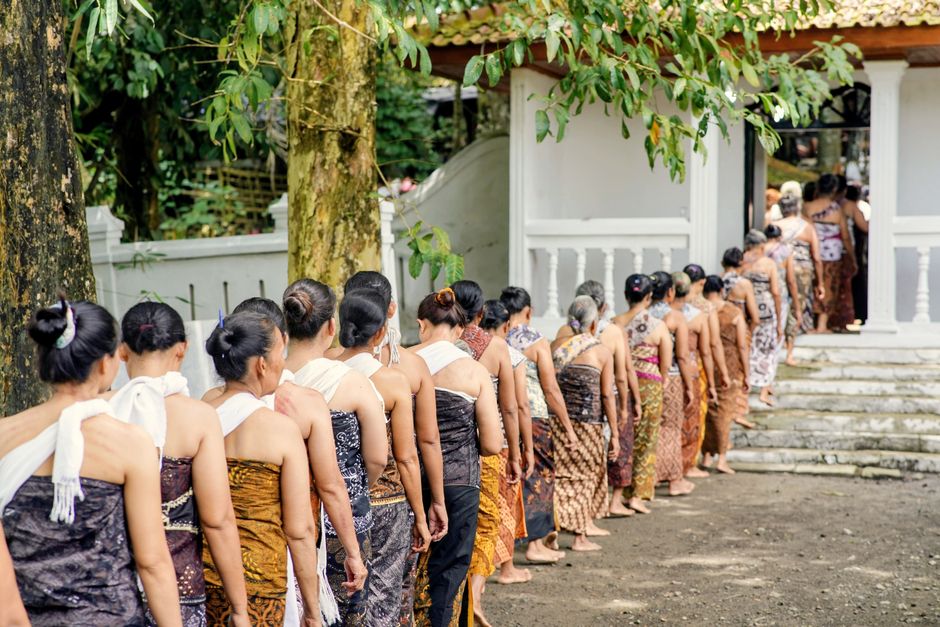
Photo by Ruyat Supriazi on Pexels
Religions and cultural traditions played a massive role in shaping societies and connecting them.
- Islam: Continued to spread through military conquest, trade (especially in Africa and Southeast Asia), and Sufi missionaries. It often blended with local customs.
- Buddhism: Remained strong in East and Southeast Asia but saw a decline in its birthplace, India.
- Christianity: Divided between Eastern Orthodoxy (Byzantine Empire, Russia) and Roman Catholicism (Western Europe), which often competed. Crusades impacted relations between Christians and Muslims.
- Neo-Confucianism: A blend of Confucianism, Buddhism, and Daoism, became the dominant ideology in China and influenced Korea and Japan.
3. Worked Example
Let's look at the Mali Empire in West Africa. By 1200 CE, it was growing powerful.
- State Building: Under leaders like Sundiata Keita and Mansa Musa, Mali expanded its territory, creating a highly centralized government. They established provinces and appointed governors.
- Economic Base: Mali's wealth came primarily from controlling the trans-Saharan trade routes, particularly the gold trade. They levied taxes on goods passing through their territory and maintained control over key gold-producing regions.
- Cultural Diffusion: Mansa Musa's pilgrimage to Mecca in the 14th century showcased Mali's immense wealth and helped spread Islam further within the empire. He brought back scholars and architects, leading to the construction of mosques and libraries in cities like Timbuktu, which became a center of Islamic learning.
- Legacy: The empire's wealth and Islamic scholarly tradition had a lasting impact on West African culture and society.
This example shows how political consolidation, control over trade, and religious influence intertwined to create a powerful and lasting civilization.
4. Key Takeaways
- Afro-Eurasian trade networks (Silk Roads, Indian Ocean, Trans-Saharan) were vibrant and crucial for economic and cultural exchange.
- Major civilizations like the Mali Empire, Delhi Sultanate, Ming Dynasty, and Inca Empire used various methods for state building and maintaining power.
- The spread of major religions (Islam, Buddhism, Christianity) and cultural traditions profoundly shaped societies and interactions.
- Technology and agricultural innovations (like the magnetic compass or new crops) diffused along trade routes, impacting daily life and production.
- The Americas developed complex, independent civilizations like the Aztec and Inca, demonstrating sophisticated statecraft without Afro-Eurasian contact.
Common Mistakes to Avoid:
- Don't assume Europe was the dominant or most advanced region during this time; other civilizations were equally, if not more, influential.
- Don't think of civilizations as isolated; they were constantly interacting, even if indirectly.
- Don't confuse the causes of the Black Death with its impact; focus on how its spread was facilitated by existing trade routes.
- Don't forget to consider how different religions (Islam, Christianity, Buddhism) often adapted to local traditions as they spread.
5. Now Try It
Choose two distinct civilizations from this period (e.g., the Delhi Sultanate and the Inca Empire, or the Mali Empire and Ming China). Spend 15 minutes outlining how each civilization governed itself, what its primary economic activities were, and how it interacted with other societies (or if it was isolated). What similarities and differences do you notice in their state-building processes? What were their main sources of power and stability?
Frequently asked about Period 1: Global Tapestry (c. 1200 CE to c. 1450 CE)
Study this next
Get the full world history ap curriculum
Clone the complete plan to your dashboard for unlimited AI-generated notes, practice quizzes, and a personalised revision schedule.
Save this course free