Art Nouveau to Modernism: Design for a New Century
From the Graphic Art History curriculum
TL;DR
The late 19th and early 20th centuries saw a radical shift in design, moving from the ornate, nature-inspired Art Nouveau to the clean, functional forms of Modernism. This transition reflected broader societal changes like industrialization and a desire for new ways of living. Understanding this period helps you see the foundations of much of today's design.
1. The Mental Model
Think of Art Nouveau as a beautiful, flowing garden gate, full of organic curves and intricate details. Modernism, on the other hand, is a sleek, functional factory door, all straight lines and efficient purpose. Both are doors, but they represent very different philosophies about art, design, and life.
2. The Core Material
The turn of the 20th century was a time of immense change, with new technologies, social shifts, and a questioning of old traditions. Design movements like Art Nouveau and Modernism weren't just about aesthetics; they were responses to these changes, aiming to shape a new century.
Art Nouveau: The Organic Flow (c. 1890 – 1910)
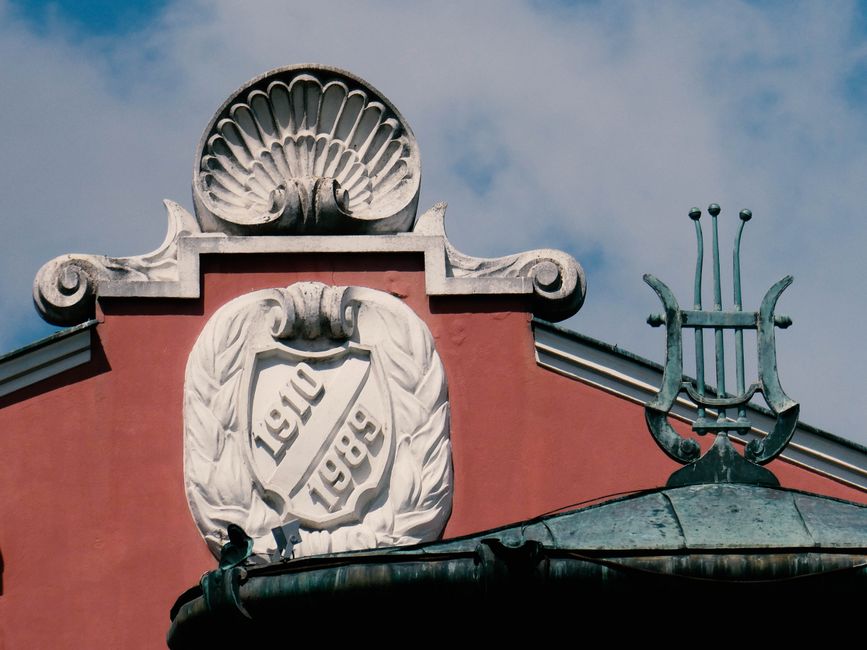
Photo by Nadejda Bostanova on Pexels
Art Nouveau ("New Art") was a reaction against the academic art and historicist styles of the 19th century. It sought to create a "total art" (Gesamtkunstwerk) that encompassed architecture, interior design, furniture, jewelry, and graphic arts.
-
Key Characteristics:
- Organic, curvilinear lines: Whiplash curves, tendrils, and plant forms are dominant.
- Nature-inspired motifs: Flowers (especially lilies, irises), insects (dragonflies), female figures with flowing hair.
- Emphasis on craftsmanship: A rejection of mass production in favor of handmade quality, though it often adapted to industrial processes.
- Asymmetry: Designs often feel dynamic and unbalanced in a deliberate way.
- New materials: Use of iron, glass, and ceramics in decorative ways.
-
Key Figures: Alphonse Mucha (posters), Gustav Klimt (painting), Victor Horta (architecture), Louis Comfort Tiffany (glass).
Modernism: Form Follows Function (c. 1900 – 1950s)
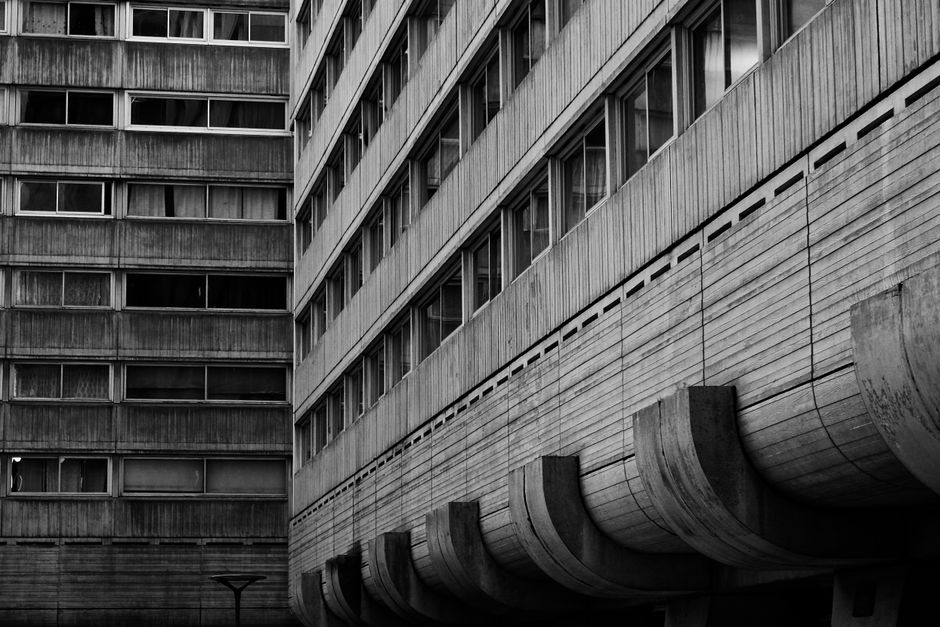
Photo by Serinus on Pexels
Modernism, while overlapping with Art Nouveau in its early stages, ultimately offered a stark contrast. It embraced industrialization, rejected ornamentation, and championed functionality and rationality. It wasn't a single style but a broad movement encompassing several sub-movements (like Cubism, Futurism, De Stijl, Bauhaus).
-
Key Characteristics:
- Geometric forms: Straight lines, rectangles, squares, circles.
- Minimal ornamentation: "Less is more" became a guiding principle.
- Emphasis on function: The purpose of an object dictates its form ("form follows function").
- New materials and industrial processes: Steel, concrete, glass were celebrated for their structural and aesthetic qualities. Mass production was embraced.
- Universal appeal: A desire to create designs accessible and useful to everyone.
- Asymmetry (revisited): Used for dynamic balance rather than organic flow.
-
Key Figures: Le Corbusier (architecture), Walter Gropius (Bauhaus founder), Mies van der Rohe (architecture, furniture), Piet Mondrian (painting, De Stijl).
Here's a diagram to help visualize the core differences and influences:
graph TD
    A["19th Century Historicism/Academism"] --> B["Art Nouveau (c. 1890-1910)"]
    B --> C1["Organic Forms"]
    B --> C2["Nature Motifs"]
    B --> C3["Craftsmanship Emphasis"]
    B --> C4["Decorative Detail"]

    A --> D["Industrial Revolution"]
    D --> E["Rise of Modernism (early 20th C)"]
    E --> F1["Geometric Forms"]
    E --> F2["Function Over Ornament"]
    E --> F3["Mass Production/New Materials"]
    E --> F4["Rationality & Simplicity"]

    B --(overlap/reaction)--> E
    E --> G["Bauhaus, De Stijl, International Style"]
The Transition

Photo by Steve A Johnson on Pexels
The shift wasn't sudden. Early Modernist designers often drew inspiration from Art Nouveau's rejection of historical styles. However, they diverged significantly in their approach to form and decoration. The Wiener Werkstätte in Vienna, for example, showed a transitional phase, moving from highly decorative to more geometric and simplified forms while still emphasizing craftsmanship. The Arts and Crafts movement also played a role in questioning industrialization's impact on quality, influencing both styles in different ways.
3. Worked Example
Let's compare two iconic chair designs:
-
Art Nouveau: Hector Guimard's "Chair for Castel Béranger" (c. 1898).
- Visuals: Imagine a chair with elegantly curved wooden legs that seem to grow organically from the floor, mimicking plant stems. The back might have a gentle, sinuous curve, perhaps with a subtle decorative motif carved into it that resembles a tendril or a leaf. The overall impression is one of natural grace and fluid movement. It feels handcrafted and unique, almost like a piece of sculpture.
- Philosophy: Emphasizes beauty, unique form, and craftsmanship, integrating art into everyday objects.
-
Modernism: Marcel Breuer's "Wassily Chair" (1925).
- Visuals: Picture a chair made of polished, bent tubular steel and strips of canvas or leather. It's all straight lines, sharp angles, and clear geometric shapes. The structure is exposed and celebrated, showing how it's built. There's no ornamentation; its beauty comes from its functional form and the stark contrast of materials. It looks industrial, efficient, and replicable.
- Philosophy: Embraces industrial materials and manufacturing, prioritizes function and structural clarity, and aims for universal, clean aesthetics.
You can see how Guimard's chair embodies the organic, decorative spirit of Art Nouveau, while Breuer's chair is a perfect example of Modernism's embrace of industrial materials, geometric purity, and functional design.
4. Key Takeaways
- Art Nouveau emphasized organic forms, natural motifs, and decorative detail, often reflecting a desire for beauty and craftsmanship.
- Modernism championed geometric forms, functionality, and simplicity, embracing industrial production and new materials.
- Both movements were reactions against 19th-century historicism but offered radically different visions for the future of design.
- The transition wasn't immediate; some early Modernist works showed influences or reactions to Art Nouveau's decorative qualities.
- "Form follows function" is a core Modernist principle, meaning an object's design should be dictated by its purpose.
- Art Nouveau sought a "total art" experience, integrating design across all aspects of life and architecture.
- Modernism aimed for universal, rational solutions in design, often associated with a sense of progress and societal improvement.
Common Mistakes to Avoid:
* Confusing Art Nouveau with Art Deco: Art Deco came later (1920s-30s) and is more streamlined, geometric, and often symmetrical, though still decorative. Art Nouveau is distinctly organic and flowing.
* Thinking Modernism is just one style: It's an umbrella term for many movements (Bauhaus, De Stijl, Futurism, etc.) that shared core principles but had distinct visual languages.
* Assuming Art Nouveau was entirely anti-industrial: While it championed craftsmanship, it often adapted new industrial techniques for its decorative aims (e.g., cast iron for intricate railings).
* Viewing Modernism as purely cold or inhuman: While it prioritized function, many Modernist designers aimed to improve daily life through thoughtful, well-designed objects and spaces.
5. Now Try It
Find two examples: one clear Art Nouveau graphic design piece (like a poster) and one clear Modernist graphic design piece (like a Bauhaus poster or a Swiss Style poster). For each, list three specific visual elements that clearly place it in its respective movement based on what you've learned. What does each piece communicate through its design choices?
What success looks like: You can confidently identify key characteristics (e.g., "whiplash curves and organic lettering" for Art Nouveau vs. "sans-serif typography and grid-based layout" for Modernism) and explain how these elements convey the movement's philosophy.
Frequently asked about Art Nouveau to Modernism: Design for a New Century
Study this next
Get the full Graphic Art History curriculum
Clone the complete plan to your dashboard for unlimited AI-generated notes, practice quizzes, and a personalised revision schedule.
Save this course free