Introduction to Biology: Cells, Genetics, and Life Processes
From the science curriculum
TL;DR
Biology is the study of life, and it all starts with the cell, the fundamental unit of every living thing. These cells contain DNA, which holds the genetic instructions for an organism, guiding its development and how it performs essential life processes. Understanding these basics helps us grasp how life works, from the smallest bacteria to the largest whales.
1. The Mental Model
Think of biology as understanding how a complex machine works. The cell is like the basic building block or a small factory. Genetics is the blueprint or instruction manual for that factory, and life processes are all the jobs the factory needs to do to keep running and build new things.
2. The Core Material
Biology is a vast field, but we can break it down into key areas that help us understand life.
The Cell: The Basic Unit of Life
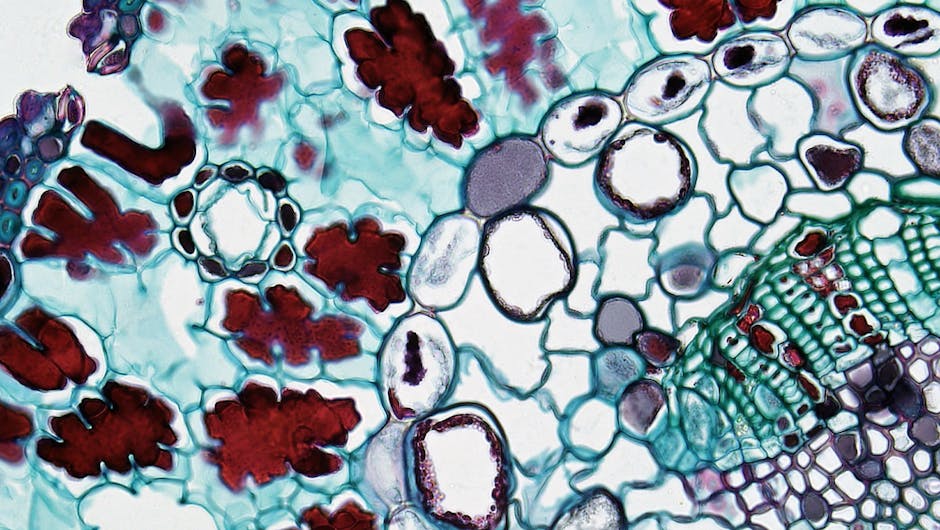
Photo by Fayette Reynolds M.S. on Pexels
Every living organism is made of cells. There are two main types:
- Prokaryotic Cells: These are simpler, older cells, like bacteria. They don't have a nucleus or other membrane-bound organelles. Think of them as a single-room workshop.
- Eukaryotic Cells: These are more complex, found in plants, animals, fungi, and protists. They have a nucleus (which houses their DNA) and various other specialized compartments called organelles. These are like multi-room factories, with different areas for different jobs.
Here's a simple breakdown of how cells are categorized:
graph TD
    A["Cell"] --> B["Prokaryotic"]
    A --> C["Eukaryotic"]
    C --> D["Animal Cell"]
    C --> E["Plant Cell"]
    E --> F["Cell Wall"]
    E --> G["Chloroplasts"]
    F & G --> H["Unique to Plant Cells"]
Genetics: The Blueprint of Life
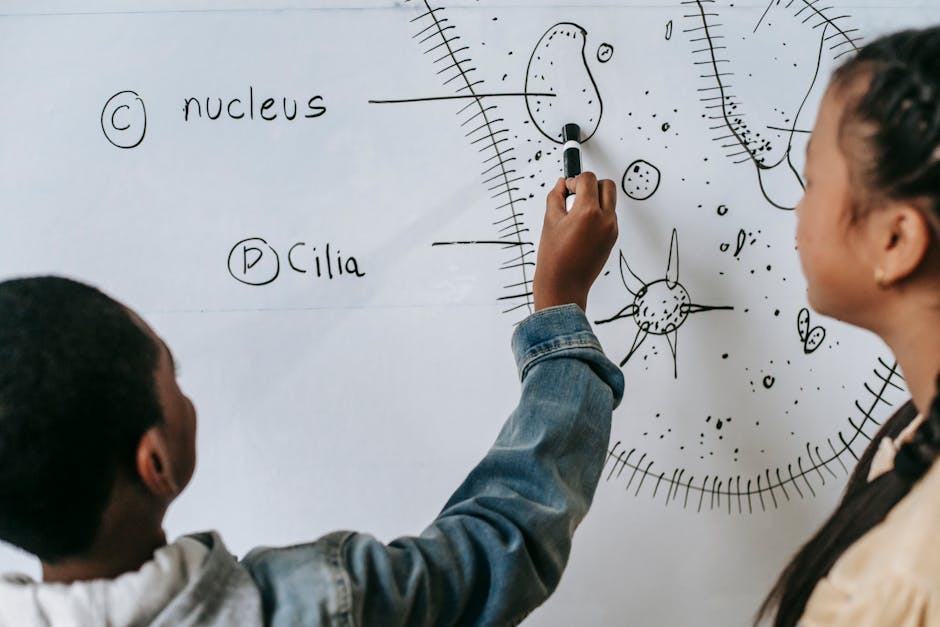
Photo by Katerina Holmes on Pexels
Genetics is the study of heredity – how traits are passed from parents to offspring.
- DNA (Deoxyribonucleic Acid): This is the molecule that carries genetic instructions. It's like a long, twisted ladder (a double helix) made of smaller units called nucleotides. The specific order of these nucleotides forms a code.
- Genes: A gene is a specific segment of DNA that codes for a particular trait or protein. Think of it as a specific recipe in the instruction manual.
- Chromosomes: In eukaryotic cells, DNA is packaged into structures called chromosomes. Humans have 23 pairs of chromosomes.
- Heredity: This is the process where genetic information is passed down. For example, why you might have your mom's eye color or your dad's hair type.
Life Processes: What Living Things Do
Photo by Alexas Fotos on Pexels
All living organisms carry out several essential processes to survive, grow, and reproduce. These include:
- Nutrition: Obtaining and processing food for energy and growth.
- Respiration: Releasing energy from food (not just breathing!).
- Excretion: Removing waste products.
- Movement: Changing position or location (even plants move slowly).
- Growth: Increasing in size and complexity.
- Reproduction: Producing new organisms (either sexually or asexually).
- Sensitivity (Response): Detecting and responding to changes in their environment.
These processes are interconnected and are all coordinated by the genetic instructions within the cells.
3. Worked Example
Let's trace how a simple trait like a flower's color is expressed.
Imagine a pea plant. Its cells contain DNA. Within this DNA, there's a specific gene that dictates flower color. Let's say one version (or allele) of this gene codes for purple flowers, and another codes for white flowers. When the plant reproduces, it passes copies of these genes to its offspring. If an offspring inherits two copies of the "purple" allele, its cells will follow those genetic instructions, produce the purple pigment, and the plant will have purple flowers. This is an example of heredity in action, where the genetic blueprint (DNA/genes) in the cell directs a life process (growth and development leading to a specific trait).
4. Key Takeaways
- Every living organism is made of one or more cells, which are the fundamental units of life.
- There are two main types of cells: simpler prokaryotic cells (like bacteria) and more complex eukaryotic cells (found in plants and animals).
- DNA is the genetic material that carries all the instructions for an organism's development and functions.
- A gene is a specific segment of DNA that codes for a particular trait or protein.
- Heredity is how traits are passed from parents to offspring via genes.
- All living things perform essential life processes like nutrition, respiration, growth, and reproduction to survive.
- These life processes are directed by the genetic information within the cells.
Common Mistakes to Avoid:
- Don't confuse prokaryotic with eukaryotic cells; remember prokaryotes lack a nucleus.
- Don't think of respiration as just breathing; it's the cellular process of releasing energy from food.
- Don't assume all cells are the same; they vary greatly in structure and function.
- Don't forget that DNA is the instruction manual, and genes are individual recipes within it.
5. Now Try It
Spend 15 minutes researching a specific animal (e.g., a cat, a fish, or an insect). For your chosen animal, identify one specific example for each of the seven life processes (nutrition, respiration, excretion, movement, growth, reproduction, and sensitivity). Also, briefly describe how its cells might differ from a plant cell. Success looks like you can clearly identify these seven processes and articulate a key difference in cellular structure.
Frequently asked about Introduction to Biology: Cells, Genetics, and Life Processes
Study this next
Get the full science curriculum
Clone the complete plan to your dashboard for unlimited AI-generated notes, practice quizzes, and a personalised revision schedule.
Save this course free