Life Processes and Living Organisms (Biology Fundamentals)
From the Science curriculum
TL;DR
Living organisms carry out specific life processes to survive and reproduce. These processes distinguish living things from non-living things, from getting energy to responding to their environment. Understanding these fundamental activities helps us grasp how life works at all levels.
1. The Mental Model
Think of living things like highly organized, self-maintaining machines. They constantly take in resources, perform work, grow, and react to their surroundings to keep themselves going and make more of themselves. It's a continuous cycle of activity.
2. The Core Material
Living organisms share a set of common characteristics, often called life processes. These processes are essential for survival and define what it means to be alive.
a. What Makes Something Alive?

Photo by Luca on Pexels
You might look at a rock and a tree and immediately know which is alive. But what's the scientific difference? Living things generally exhibit organization, metabolism, homeostasis, growth, reproduction, response to stimuli, and adaptation.
b. The Seven Key Life Processes

Photo by Sergij on Pexels
- Nutrition: This is how organisms get and use energy and materials.
- Autotrophs (like plants) make their own food through photosynthesis.
- Heterotrophs (like animals) get food by consuming other organisms.
- Respiration: The process of releasing energy from food. It's not just breathing; it's the cellular chemical reactions that break down nutrients to power cell activities.
- Transport: Moving substances around inside the organism. Think of blood circulating in your body, or water moving up a plant stem.
- Excretion: Removing waste products. If wastes build up, they can be toxic.
- Growth: Increasing in size and/or number of cells. This is an irreversible increase.
- Reproduction: Creating new organisms of the same species. This ensures the continuation of life.
- Asexual reproduction involves one parent.
- Sexual reproduction involves two parents.
- Sensitivity (or Response to Stimuli): Reacting to changes in the environment. This could be a plant bending toward light or you flinching from a hot object.
c. Levels of Organization
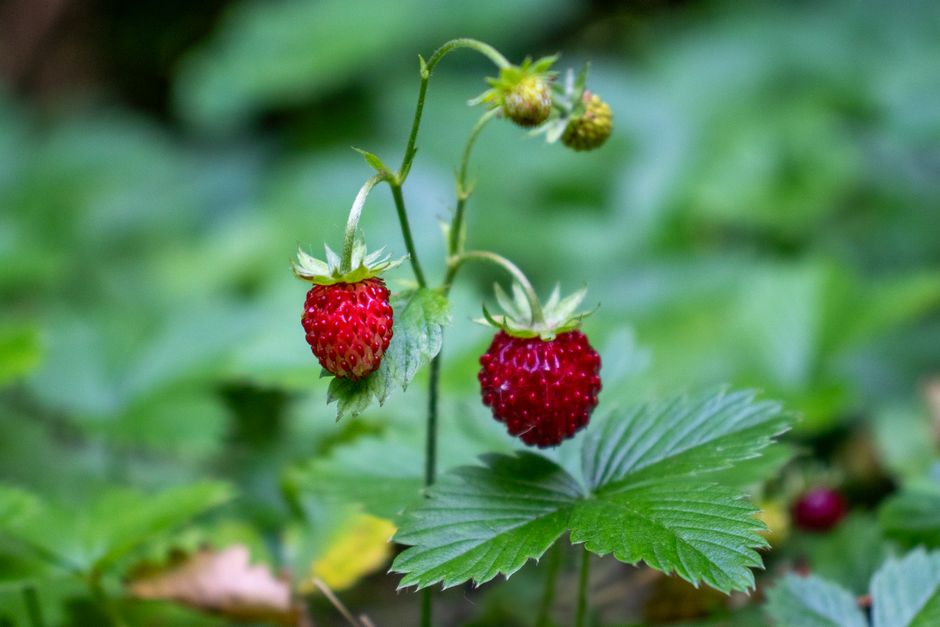
Photo by Muzin Kahraman on Pexels
Living things are incredibly organized, from the smallest components to entire ecosystems.
graph TD
    A["Atoms"] --> B["Molecules"];
    B --> C["Organelles"];
    C --> D["Cells"];
    D --> E["Tissues"];
    E --> F["Organs"];
    F --> G["Organ Systems"];
    G --> H["Organism"];
    H --> I["Population"];
    I --> J["Community"];
    J --> K["Ecosystem"];
    K --> L["Biosphere"];
- Cells are the basic unit of life. Some organisms are just one cell (like bacteria).
- Tissues are groups of similar cells working together (e.g., muscle tissue).
- Organs are structures made of different tissues working together (e.g., heart).
- Organ Systems are groups of organs working together (e.g., digestive system).
- Organism is a complete living being.
- Population is a group of the same species in an area.
- Community is all the different populations in an area.
- Ecosystem is the community plus the non-living environment.
- Biosphere is all the ecosystems on Earth.
3. Worked Example
Imagine you're observing a sunflower plant.
- Nutrition: The plant uses its leaves to capture sunlight and carbon dioxide to make its own food (sugars) through photosynthesis. Its roots absorb water and minerals from the soil.
- Respiration: The plant breaks down the sugars it made to release energy for growth and other activities, even in the dark.
- Transport: Water and minerals move up from the roots to the leaves, and sugars move from the leaves to other parts of the plant, including the roots and developing seeds.
- Excretion: It releases oxygen (a waste product of photosynthesis) into the atmosphere and some carbon dioxide (a waste product of respiration).
- Growth: The stem gets taller, leaves get bigger, and flowers develop over time.
- Reproduction: The flower produces seeds, which, if planted, can grow into new sunflower plants.
- Sensitivity: The flower head turns to follow the sun's path across the sky (heliotropism).
4. Key Takeaways
- Living organisms are characterized by a specific set of life processes.
- Nutrition is about acquiring energy and materials, either by making food or consuming it.
- Respiration is the process of releasing energy from food within cells.
- Transport ensures essential substances move throughout the organism.
- Excretion removes harmful waste products to maintain internal balance.
- Growth is an irreversible increase in size or cell number.
- Reproduction guarantees the continuation of a species.
- Sensitivity allows organisms to react to their changing environment.
Common Mistakes to Avoid

Photo by KATRIN BOLOVTSOVA on Pexels
- Don't confuse "breathing" with "respiration"; respiration is a cellular energy-release process.
- Don't think only animals excrete; plants also have waste products they manage.
- Don't assume all growth is just getting bigger; it can also be an increase in cell number.
- Forgetting that all levels of organization, from cells to ecosystems, are interconnected.
5. Now Try It
Pick any common organism you see around you (like a bird, an insect, or a different plant). For 15 minutes, try to identify at least five of the seven life processes it exhibits. For each process, briefly describe how that organism performs it. For example, for a bird, how does it get nutrition? How does it reproduce?
Frequently asked about Life Processes and Living Organisms (Biology Fundamentals)
Study this next
Get the full Science curriculum
Clone the complete plan to your dashboard for unlimited AI-generated notes, practice quizzes, and a personalised revision schedule.
Save this course free