Categories of Voluntary Movement and Development
From the physical literciy KP100 curriculum
TL;DR
Voluntary movements are actions we consciously choose to perform, and they're grouped into categories based on their purpose and how they're learned. These movements develop over time through practice and experience, becoming more refined and automatic. Understanding these categories helps us analyze and improve our physical literacy.
1. The Mental Model
Think of voluntary movements as a toolkit of actions you can choose to use. This toolkit expands and gets more precise as you grow and learn new skills. We can sort these tools into different boxes based on what they do.
2. The Core Material
Voluntary movements are actions you initiate and control intentionally. They differ from reflexes, which are automatic responses. We can categorize them to better understand how we learn and perform physical tasks.
2.1 Basic Categories of Voluntary Movement

Photo by Bhupindra International Public School on Pexels
- Reflexive Movements: While technically involuntary, some theories acknowledge early reflexes as foundational building blocks from which voluntary movements emerge. These are automatic, unlearned responses to stimuli (e.g., grasping reflex).
- Rudimentary Movements: These are the first voluntary movements you learn as an infant. They're genetically programmed but need practice to develop. Think about reaching, grasping, crawling, and walking – these are basic survival and exploration movements.
- Fundamental Motor Skills (FMS): These are the "building blocks" for more complex movements. They're typically developed in early childhood and are crucial for participation in many sports and activities. FMS are often divided into:
- Locomotor Skills: Moving your body from one place to another (e.g., running, jumping, hopping, skipping).
- Manipulative Skills: Controlling objects with your body (e.g., throwing, catching, kicking, striking).
- Stability Skills: Maintaining balance and control of your body (e.g., bending, twisting, balancing, dodging).
- Sport-Specific or Specialized Movements: These are more advanced, refined movements that combine and adapt fundamental motor skills for particular activities, sports, or artistic expressions. Examples include a basketball layup, a tennis serve, or a dance routine.
2.2 Development of Voluntary Movement
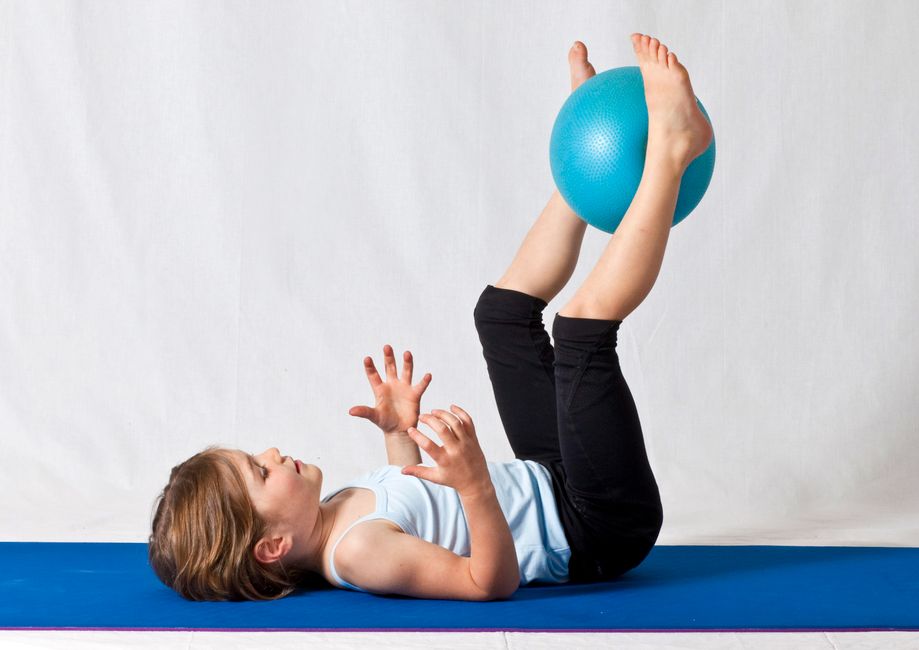
Photo by Lena Helfinger on Pexels
The development of these movements generally follows a predictable sequence, from simple to complex, and from general to specific. However, the rate and proficiency of development vary greatly among individuals due to genetics, practice, environmental factors, and instruction.
graph TD
    A["Reflexive Movements (Automatic)"] --> B["Rudimentary Movements (First Voluntary)"]
    B --> C1["Fundamental Motor Skills"]
    C1 --> C2["Locomotor Skills"]
    C1 --> C3["Manipulative Skills"]
    C1 --> C4["Stability Skills"]
    C2 --> D["Sport-Specific Movements"]
    C3 --> D
    C4 --> D
    D --> E["Highly Specialized/Refined Movements"]
3. Worked Example
Let's consider the action of shooting a basketball.
- Rudimentary beginnings: An infant first learns to reach and grasp objects, developing hand-eye coordination.
- Fundamental Motor Skills: As a child, they learn to throw (a manipulative skill) and jump (a locomotor skill). They also develop balance (a stability skill) to stay upright while performing these actions.
- Sport-Specific Movement: Combining these FMS, they learn the specific technique of a basketball shot:
- Proper stance and balance (stability).
- Dribbling the ball (manipulative).
- Jumping to shoot (locomotor).
- Propelling the ball towards the hoop with the correct force and angle (manipulative).
- Refined Movement: With thousands of hours of practice, a professional basketball player refines their shot to be incredibly consistent, efficient, and adaptable under pressure – this is a highly specialized movement.
4. Key Takeaways
- Voluntary movements are conscious actions, not automatic reflexes.
- Movement development progresses from basic, genetically-influenced actions to complex, learned skills.
- Rudimentary movements like crawling and walking are essential early voluntary actions.
- Fundamental Motor Skills (FMS) are the bedrock for almost all physical activities and are divided into locomotor, manipulative, and stability skills.
- Sport-specific movements combine and refine FMS for particular activities.
- Consistent practice and good instruction are crucial for developing proficient and specialized movements.
Common Mistakes to Avoid:
- Don't confuse voluntary movements with involuntary reflexes; remember choice is key.
- Don't skip practicing fundamental motor skills, as they're critical for future athletic success.
- Avoid trying to master sport-specific skills before solidifying fundamental skills.
- Don't assume all children develop at the same pace; individual differences are normal.
5. Now Try It
Think about a new physical skill you'd like to learn, like learning to surf, play guitar, or master a yoga pose. For that skill, identify at least two fundamental motor skills (locomotor, manipulative, or stability) that are prerequisites. Then, outline a three-step progression from basic practice of those FMS to an early attempt at the specific skill.
Success looks like: You can clearly map the required fundamental skills to the new activity and describe how practicing those basics would help you learn the more complex skill.
Frequently asked about Categories of Voluntary Movement and Development
Study this next
Get the full physical literciy KP100 curriculum
Clone the complete plan to your dashboard for unlimited AI-generated notes, practice quizzes, and a personalised revision schedule.
Save this course free