Human Movement: From Reflexes to Voluntary Control
From the physical literciy KP100 curriculum
TL;DR
You'll learn how your body moves, starting from automatic reflexes and building up to complex, voluntary actions like playing sports. This progression involves different parts of your nervous system working together to control and refine your movements. Understanding these stages helps explain how you learn new physical skills and adapt to your environment.
1. The Mental Model
Think of your movement control like a ladder. The bottom rungs are simple, automatic reflexes that don't need much thought. As you climb, movements become more complex, purposeful, and require conscious decision-making, like deciding to throw a ball or learn a new dance move.
2. The Core Material
Movement isn't just one thing; it's a spectrum, from immediate, unconscious reactions to carefully planned actions. Let's break down how your body achieves this.
Reflexive Movement
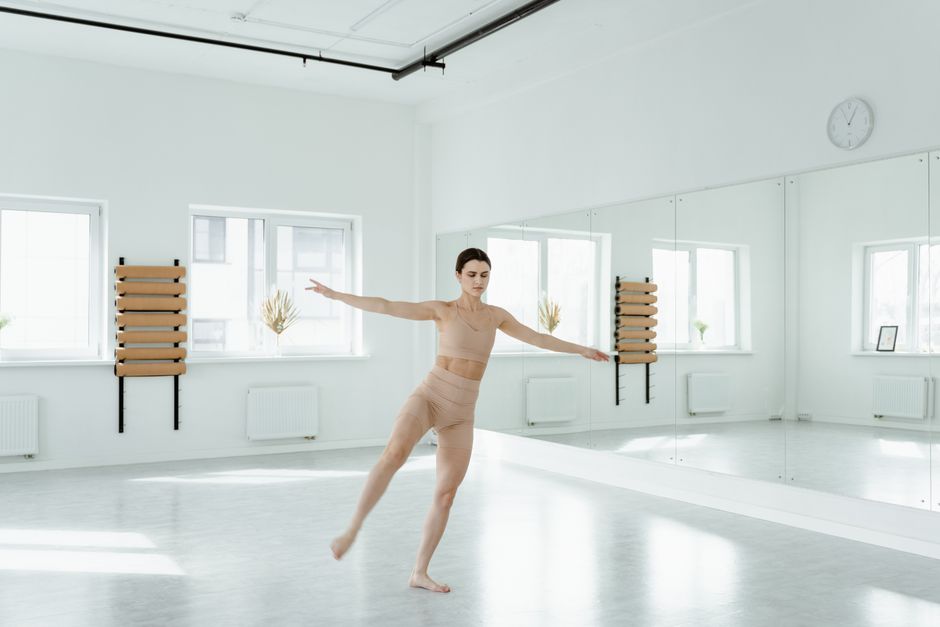
Photo by MART PRODUCTION on Pexels
Reflexes are your body's automatic, involuntary responses to a stimulus. They're built-in for protection and efficiency. Think about pulling your hand away from a hot stove – you don't decide to do it; it just happens. This is controlled by a reflex arc, which is a neural pathway that bypasses the brain's conscious processing for speed.
- Stimulus: Something happens (e.g., touching a sharp object).
- Sensory Neuron: Carries the message from the sensory receptor (e.g., skin) to the spinal cord.
- Interneuron (often): In the spinal cord, it can connect the sensory neuron directly to a motor neuron.
- Motor Neuron: Carries the message from the spinal cord to the muscle.
- Effector (Muscle): Contracts to produce the movement (e.g., hand withdrawal).
Rhythmic Movement
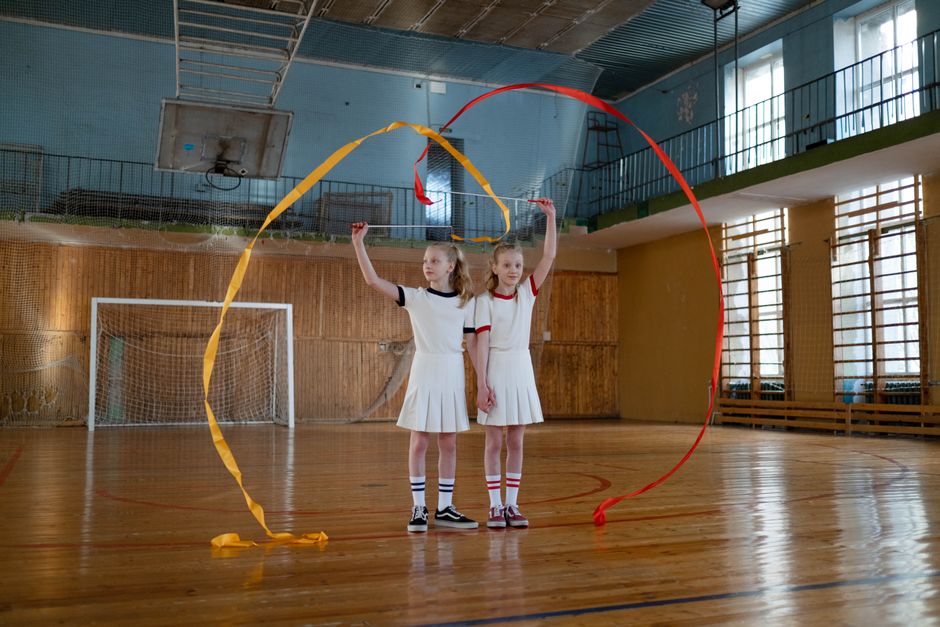
Photo by cottonbro studio on Pexels
Some movements are repetitive and cyclical, like walking or running. These are called rhythmic movements. While they can be initiated voluntarily (you decide to start walking), the pattern itself is often controlled by Central Pattern Generators (CPGs) located in your spinal cord. CPGs produce the basic rhythm without constant input from the brain, freeing up your brain for other tasks like planning where to go.
Voluntary Movement

Photo by Funkcinės Terapijos Centras on Pexels
Voluntary movements are purposeful, goal-directed actions that you consciously initiate and control. These are much more complex and involve higher brain centers, like the cerebral cortex. When you decide to kick a soccer ball, your brain plans the movement, sends signals down the spinal cord, and adjusts based on sensory feedback (e.g., how hard you kicked, where the ball went).
Here's a simplified flow of how voluntary movement typically works:
graph TD
    A["Intent/Goal (e.g., 'reach for glass')"] --> B["Planning & Initiation (Cerebral Cortex)"]
    B --> C["Motor Program Selection (Basal Ganglia, Cerebellum)"]
    C --> D["Execution Commands (Motor Cortex to Spinal Cord)"]
    D --> E["Muscle Activation (Muscles contract)"]
    E --> F["Movement Occurs (Sensory feedback initiated)"]
    F --> G["Sensory Feedback (Proprioception, Vision)"]
    G --> C
    G --> B
The Role of Sensory Feedback
Photo by Ann H on Pexels
Throughout all types of movement, sensory feedback is crucial. This is information your body sends back to your brain (or spinal cord) about the movement itself.
- Proprioception: Your sense of body position and movement in space (e.g., knowing where your arm is without looking).
- Vision: What you see helps you guide and correct movements.
- Touch: Feedback from skin receptors.
This feedback allows your nervous system to adjust movements in real-time, making them smoother and more accurate, and it's essential for learning new skills.
3. Worked Example
Imagine you're learning to catch a frisbee.
- Initial Attempt (Voluntary): You see the frisbee, voluntarily decide to catch it, plan to extend your arms, and move towards it. Your cerebral cortex is highly involved, sending precise commands.
- Sensory Feedback Loop: As the frisbee flies, your eyes (vision) track its path. Your proprioceptors tell your brain where your arms and hands are. You realize your initial arm position is off.
- Correction: Based on this sensory feedback, your brain quickly makes adjustments – perhaps you extend your arm further or move your hand slightly. This real-time adjustment is a form of voluntary control adapting to the environment.
- Refinement: Over time, with practice, catching becomes smoother and more efficient. Your brain develops better motor programs, and some aspects of the movement might become almost automatic, integrating elements of rhythmic or highly practiced voluntary patterns. You might even react reflexively to a sudden, unexpected change in the frisbee's trajectory, showcasing how different levels of control interact.
4. Key Takeaways
- Reflexes are involuntary, rapid responses crucial for protection and basic functions, bypassing conscious brain control via the spinal cord.
- Rhythmic movements like walking are initiated voluntarily but then sustained by spinal cord-based Central Pattern Generators (CPGs), freeing up brain resources.
- Voluntary movements are purposeful and goal-directed, requiring conscious planning and execution by higher brain centers, especially the cerebral cortex.
- Sensory feedback (proprioception, vision) is vital for real-time adjustment, coordination, and learning across all types of movement.
- Your nervous system continuously integrates these different levels of control to produce a wide range of movements, from simple to complex.
Common mistakes to avoid:
- Don't confuse involuntary (reflexive) actions with automatic (highly practiced voluntary) actions. While both might feel "automatic," reflexes are built-in, and practiced voluntary movements were once conscious.
- Thinking the brain is solely responsible for all movement; the spinal cord plays a significant role, especially in reflexes and rhythmic patterns.
- Underestimating the importance of sensory feedback; it's not just about sending commands, but also about receiving information to refine those commands.
- Believing movement control is a purely top-down process; it's a dynamic interaction between different levels of the nervous system.
5. Now Try It
For the next 15 minutes, focus on a simple, everyday movement you often do without thinking (e.g., getting up from a chair, opening a door, picking up a pen). Try to break down the movement into its smaller components. Which parts feel reflexive or automatic, and which parts require conscious thought or adjustment? Pay close attention to the sensory feedback you're receiving (what you see, feel in your joints/muscles) and how you use it to guide your actions.
What success looks like: You can identify specific moments where you consciously decided to act, moments where your body seemed to move "on its own," and how sensory input (like seeing the object or feeling resistance) caused you to adjust your movement.
Frequently asked about Human Movement: From Reflexes to Voluntary Control
More from physical literciy KP100
Get the full physical literciy KP100 curriculum
Clone the complete plan to your dashboard for unlimited AI-generated notes, practice quizzes, and a personalised revision schedule.
Save this course free