Movement Capacities and Patterns
From the physical literciy KP100 curriculum
TL;DR
Movement capacities are your body's potential for action, like strength and flexibility, while movement patterns are the specific ways you execute those actions. Understanding both helps you move more efficiently, safely, and effectively in any physical activity. Developing these improves performance and reduces injury risk.
1. The Mental Model
Think of movement capacities as the engine parts in a car – horsepower, torque, fuel efficiency. Movement patterns are like the driver's technique – how smoothly they shift gears, turn corners, or accelerate. Both need to be good for the car to perform well and for the driver to be safe.
2. The Core Material
Movement in any activity isn't just one thing; it's a blend of your body's capacities (what it can do) and the patterns (how it does it). Improving both makes you a more capable mover.
Movement Capacities

Photo by Funkcinės Terapijos Centras on Pexels
These are the foundational physical attributes that dictate your potential for movement. You can train and improve all of them.
- Strength: The ability of your muscles to generate force. Think lifting a heavy box or jumping high.
- Endurance: Your ability to sustain effort over time. This includes muscular endurance (doing many reps) and cardiovascular endurance (running long distances).
- Flexibility: The range of motion around your joints. Essential for preventing injury and performing full movements.
- Power: The ability to generate force quickly. It's strength applied with speed, like throwing a ball or sprinting.
- Balance: Your ability to maintain equilibrium, whether static (standing still) or dynamic (moving).
- Agility: The ability to change direction quickly and efficiently while maintaining control.
Movement Patterns
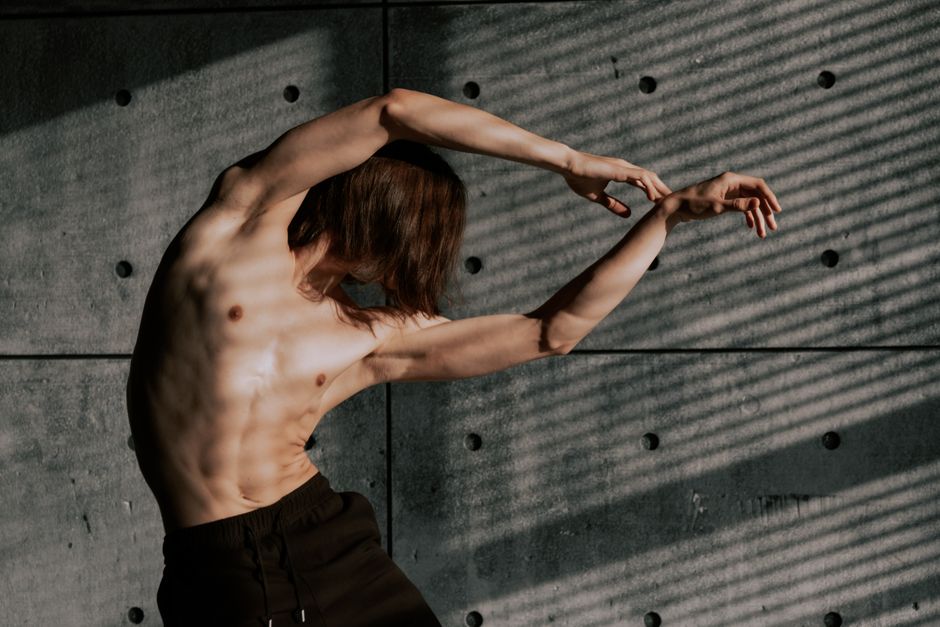
Photo by cottonbro studio on Pexels
These are the fundamental, coordinated movements your body performs to achieve a task. They're often grouped into categories based on the primary action. Good patterns are efficient, safe, and effective.
- Squat: Lowering your hips towards the ground by bending your knees and hips. Think sitting in a chair.
- Hinge: Bending at the hips with a relatively straight back. Think picking something up from the floor.
- Lunge: Stepping one leg forward and bending both knees. Think climbing stairs or walking.
- Push: Moving something (or yourself) away from your body. Think pushing a door or a push-up.
- Pull: Moving something (or yourself) towards your body. Think opening a door or a pull-up.
- Rotation: Twisting movements of the torso. Think swinging a bat or throwing.
- Gait (Walking/Running): The coordinated pattern of moving your legs to propel yourself forward.
These patterns are often refined through practice and coaching. When you perform them correctly, you use the right muscles in the right sequence, which prevents injury and improves performance.
graph TD
    A["Movement Foundation"] --> B["Movement Capacities"];
    A --> C["Movement Patterns"];

    B --> B1["Strength"];
    B --> B2["Endurance"];
    B --> B3["Flexibility"];
    B --> B4["Power"];
    B --> B5["Balance"];
    B --> B6["Agility"];

    C --> C1["Squat"];
    C --> C2["Hinge"];
    C --> C3["Lunge"];
    C --> C4["Push"];
    C --> C5["Pull"];
    C --> C6["Rotation"];
    C --> C7["Gait (Walk/Run)"];

    B & C --> D["Enhanced Physical Literacy"];
    D --> E["Improved Performance"];
    D --> F["Reduced Injury Risk"];
3. Worked Example
Let's consider a simple act: picking up a heavy box from the floor.
- Capacities involved: You need sufficient strength in your legs and back to lift the box, flexibility in your hips and hamstrings to get into position without rounding your back, and balance to maintain stability while lifting.
- Pattern involved: The ideal pattern here is a hinge. You'd bend at your hips, keep your back straight, and lower yourself by sending your hips back, rather than bending primarily at your knees (a squat) or rounding your back.
If your hamstring flexibility (capacity) is poor, you might compensate by rounding your back, which is a poor hinge pattern and increases injury risk. If your leg strength (capacity) isn't enough, you might strain to lift the box, compromising the pattern.
4. Key Takeaways
- Movement capacities are your body's fundamental physical attributes like strength and flexibility.
- Movement patterns are the specific, repeatable ways you perform actions like squatting or hinging.
- Training both capacities and patterns is crucial for overall physical literacy.
- Good movement patterns minimize stress on your joints and maximize efficiency.
- Poor movement patterns, often due to underdeveloped capacities, increase injury risk.
- Everyday activities like walking or sitting involve a combination of various capacities and patterns.
- Consistent practice helps refine movement patterns and improve underlying capacities.
Common mistakes to avoid:
- Focusing only on one capacity: Don't just lift heavy weights; also work on flexibility and balance.
- Ignoring poor form: Performing movements with bad technique can lead to injury, even if you feel strong.
- Skipping fundamental patterns: Don't jump to complex exercises if your basic squat or hinge isn't solid.
- Not listening to your body: Pushing through pain often indicates a problem with capacity or pattern.
5. Now Try It
Spend 15 minutes consciously observing your movement patterns.
1. Perform 5 squats: Pay attention to how your hips, knees, and back move. Do your knees track over your toes? Does your back stay straight?
2. Perform 5 hinges (like picking up a light object): Notice if your hips go back first or if you round your lower back.
3. Walk slowly for a minute: Feel how your feet strike the ground, how your arms swing, and if you feel balanced.
What success looks like: You can describe specific details of your own movement (e.g., "my knees tend to collapse inward during squats," or "I feel my lower back rounding when I hinge") and identify one area you might want to improve for either a capacity (e.g., "I think my hamstrings are tight") or a pattern (e.g., "I need to practice pushing my hips back more in a hinge").
Frequently asked about Movement Capacities and Patterns
Study this next
Get the full physical literciy KP100 curriculum
Clone the complete plan to your dashboard for unlimited AI-generated notes, practice quizzes, and a personalised revision schedule.
Save this course free