Application and Future Development of Physical Literacy
From the physical literciy KP100 curriculum
TL;DR
Physical literacy is about developing the motivation, confidence, physical competence, knowledge, and understanding to value and take responsibility for engagement in physical activities for life. It applies across various settings, from education to healthcare, promoting lifelong well-being. Its future development will focus on personalized approaches, technological integration, and global implementation to create more active and healthier societies.
1. The Mental Model
Think of physical literacy like learning to read and write, but for movement and physical activity. It's not just about being good at sports; it's about having the "vocabulary" and "grammar" of movement, plus the desire and understanding to use them throughout your life.
2. The Core Material
Physical literacy (PL) is a holistic concept that goes beyond simply performing physical skills. It encompasses five interconnected elements that enable individuals to lead active and healthy lives:
- Motivation and Confidence: This is about your enthusiasm and belief in your ability to engage in physical activity. If you don't feel good about moving, you're less likely to do it.
- Physical Competence: This refers to your ability to develop movement skills and patterns, like running, jumping, throwing, and balancing. It's not about elite performance, but rather a functional foundation.
- Knowledge and Understanding: This involves knowing what to do, how to do it safely and effectively, and why it's important. It includes understanding rules, strategies, health benefits, and risks.
- Engagement in Physical Activity for Life: The ultimate goal is to maintain physical activity throughout your lifespan, adapting to different environments and life stages.
- Responsibility: Taking ownership of your physical activity journey and understanding its impact on your well-being.
Applications of Physical Literacy
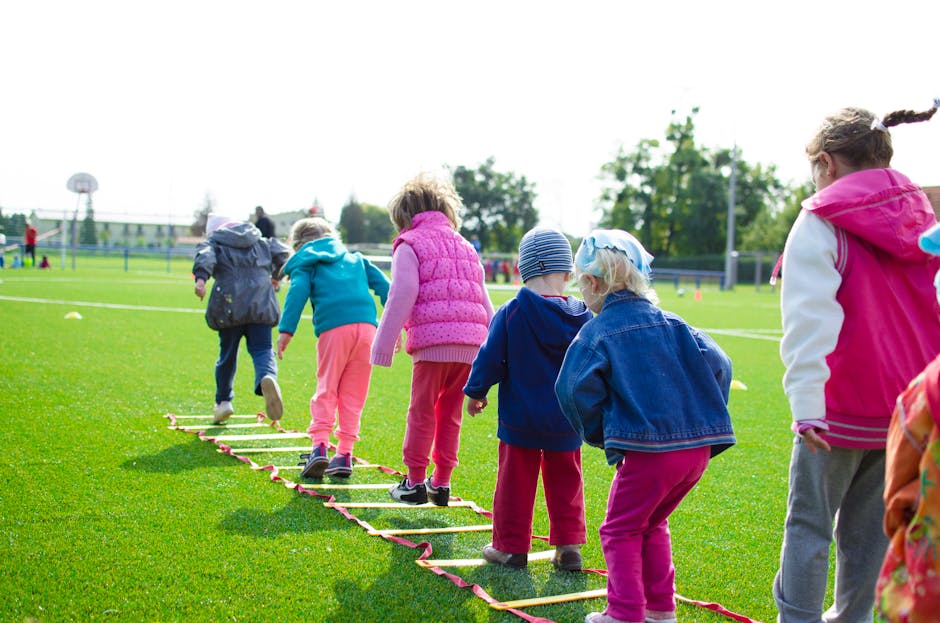
Photo by Lukas Blazek on Pexels
PL isn't just a theoretical concept; it has practical applications in many areas:
- Education: From early childhood to higher education, PL frameworks guide curricula to develop well-rounded movers, not just athletes.
- Sport and Recreation: It provides a foundation for participation in various sports, fostering enjoyment and reducing dropout rates by focusing on broad skill development rather than early specialization.
- Health and Wellness: PL is crucial for promoting active lifestyles, preventing chronic diseases, and improving overall physical and mental well-being across all ages.
- Community Development: Programs can be designed to enhance PL in communities, making physical activity accessible and appealing to diverse populations.
- Therapeutic and Rehabilitation Settings: PL principles can help individuals regain or adapt movement capabilities after injury or illness, promoting long-term adherence to rehabilitation exercises.
Future Development of Physical Literacy
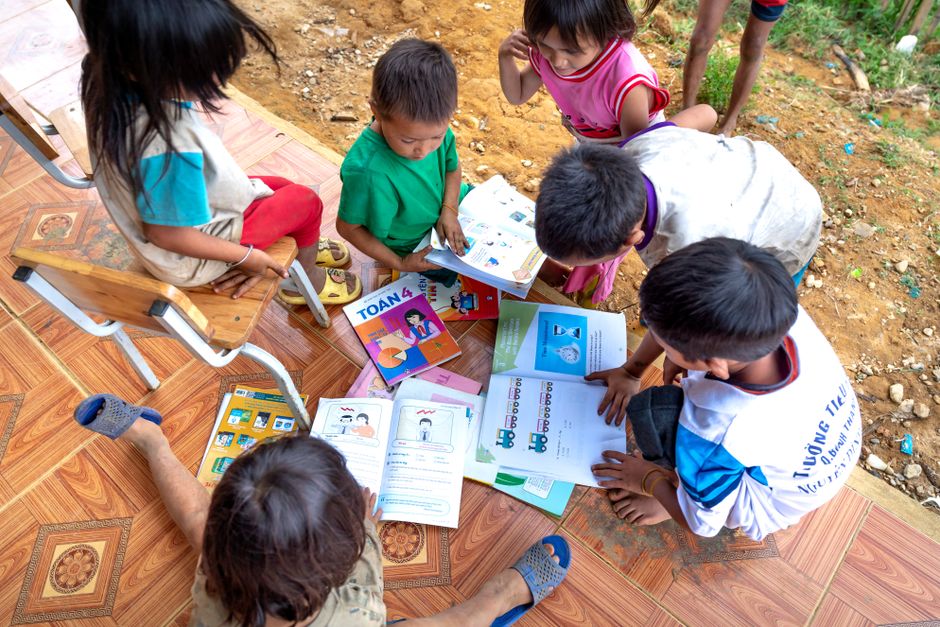
Photo by Quang Nguyen Vinh on Pexels
The future of PL is dynamic, with several key trends emerging:
- Personalization: Moving beyond one-size-fits-all approaches to tailor PL development to individual needs, preferences, and cultural contexts.
- Technology Integration: Using wearables, apps, virtual reality (VR), and artificial intelligence (AI) to track progress, provide feedback, motivate, and create immersive physical activity experiences.
- Interdisciplinary Collaboration: Greater partnerships between educators, health professionals, urban planners, policymakers, and technology developers to create supportive environments for PL.
- Global Standardisation and Advocacy: Efforts to establish common understandings and benchmarks for PL internationally, alongside advocating for its importance at policy levels.
- Focus on Environmental and Social Factors: Recognizing how access to safe spaces, social support, and cultural norms impact PL development and engagement.
Here's how these elements and applications connect:
graph TD
    A["Motivation & Confidence"] --> B["Physical Competence"]
    B --> C["Knowledge & Understanding"]
    C --> D["Engagement for Life"]
    D --> E["Responsibility"]

    subgraph Core Elements
        A
        B
        C
        D
        E
    end

    subgraph Applications
        F["Education"]
        G["Sport & Recreation"]
        H["Health & Wellness"]
        I["Community Development"]
    end

    subgraph Future Trends
        J["Personalization"]
        K["Tech Integration"]
        L["Global Advocacy"]
    end

    E -- enables --> F
    E -- enables --> G
    E -- enables --> H
    E -- enables --> I

    F -- shapes --> J
    G -- drives --> K
    H -- informs --> L
    I -- influences --> J, K, L
3. Worked Example
Imagine a school that wants to improve physical activity levels among its students. Instead of just focusing on competitive sports, they adopt a physical literacy approach.
Old Approach: Focus on school sports teams (e.g., football, basketball) and P.E. classes emphasizing specific sport skills. Many students who aren't naturally athletic feel left out or incompetent.
Physical Literacy Approach:
1. Motivation & Confidence: Introduce diverse activities (e.g., dance, climbing, parkour, yoga, frisbee) to allow more students to find something they enjoy and feel successful at. Encourage participation over performance.
2. Physical Competence: Develop fundamental movement skills through games and drills that aren't sport-specific. Focus on agility, balance, coordination, and speed in varied contexts.
3. Knowledge & Understanding: Teach students about the benefits of different activities, how to create a personal fitness plan, how to warm up/cool down, and the importance of hydration and nutrition. Discuss how physical activity can be integrated into daily life.
4. Engagement for Life: Organize school clubs that encourage activities like hiking, cycling, or gardening, linking physical activity to hobbies that can be sustained beyond school.
5. Responsibility: Empower students to lead parts of warm-ups, design simple games for younger students, and track their own activity goals, fostering a sense of ownership.
This leads to more students feeling capable and interested in being active, leading to higher overall participation and a greater likelihood of lifelong engagement.
4. Key Takeaways
- Physical literacy is a holistic concept involving motivation, competence, knowledge, lifelong engagement, and responsibility.
- It applies to education, sport, health, and community settings to foster active lifestyles.
- Future developments include personalized approaches, integrating technology, and fostering global collaboration.
- Understanding PL helps you promote sustainable physical activity for yourself and others.
- PL emphasizes broad skill development and enjoyment over early sport specialization or elite performance.
Common Mistakes to Avoid:
- Don't confuse physical literacy with just being "good at sports"; it's much broader.
- Don't neglect the "motivation and confidence" aspect; it's as crucial as physical skills.
- Don't assume everyone learns or engages with physical activity in the same way; personalization is key.
- Don't overlook the role of environment and policy in shaping opportunities for physical literacy.
5. Now Try It
For the next 15 minutes, think about an activity you currently do, or used to do, that involves physical movement (e.g., walking, a sport, dancing, gardening). Reflect on how the five elements of physical literacy (motivation/confidence, physical competence, knowledge/understanding, lifelong engagement, responsibility) relate to your experience with that activity. Consider one way you could enhance your own physical literacy in relation to this activity using a future development concept (e.g., using an app to track progress, finding a new group, learning more about the activity's history or benefits).
Success looks like you identifying specific connections between your personal experience and the PL framework, and outlining a practical, actionable step for your own development.
Frequently asked about Application and Future Development of Physical Literacy
More from physical literciy KP100
Get the full physical literciy KP100 curriculum
Clone the complete plan to your dashboard for unlimited AI-generated notes, practice quizzes, and a personalised revision schedule.
Save this course free