Fundamentals of Radiation Protection
From the ICRP curriculum
TL;DR
Radiation protection aims to minimize harmful effects from ionizing radiation while allowing its beneficial uses. This is achieved through a system of dose limitation and practical protection measures. The core principles are Justification, Optimisation, and Dose Limits.
1. The Mental Model
Think of radiation protection like driving safely. You want to reach your destination (benefit from radiation), but you need rules (principles), a safe car (protective measures), and to drive responsibly (optimisation) to avoid accidents (harm).
2. The Core Material
Ionizing radiation can harm living tissue by damaging cells and DNA. Radiation protection, guided by the International Commission on Radiological Protection (ICRP), provides a framework to prevent or minimize these harmful effects. This framework is built on three fundamental principles:
a. Justification

Photo by Tara Winstead on Pexels
This principle states that any decision leading to radiation exposure must do more good than harm. In simple terms, the benefit of using radiation (e.g., medical diagnosis, industrial application) must outweigh the risk it poses. For instance, a medical X-ray is justified if it helps diagnose a condition that would be worse if left undiagnosed.
b. Optimisation (ALARA/ALARP)

Photo by Eren Arıcı on Pexels
Once an activity involving radiation is justified, exposures should be As Low As Reasonably Achievable (ALARA), or As Low As Reasonably Practicable (ALARP), taking into account economic and social factors. This means finding the best balance between dose reduction and the effort/cost required to achieve it. It's not about reaching zero dose, but the lowest reasonable dose.
Key practical measures for optimisation include:
* Time: Minimize the duration of exposure. Less time near a source means less dose.
* Distance: Maximize the distance from the radiation source. Radiation intensity decreases sharply with distance (inverse square law).
* Shielding: Use appropriate materials (e.g., lead, concrete) to absorb radiation.
c. Dose Limits
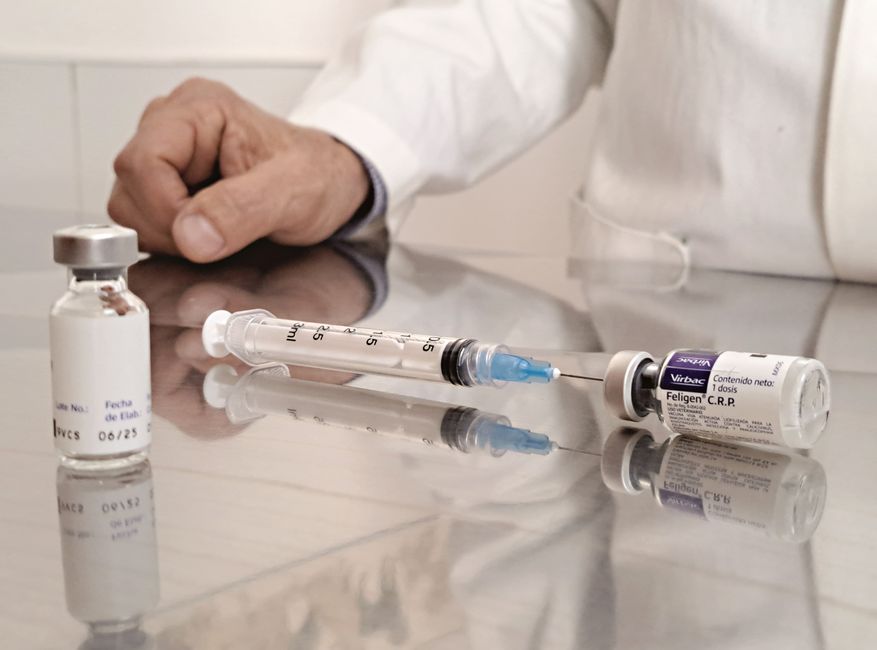
Photo by DΛVΞ GΛRCIΛ on Pexels
These are legal upper bounds on the doses individuals can receive from regulated practices. They are set to ensure that no individual is exposed to unacceptable risks. Dose limits apply after justification and optimisation. They prevent very high individual doses, but don't negate the need for ALARA. Different limits apply to occupational workers and the public.
Here's a breakdown of how these principles interact:
graph TD
    A["Need for Radiation Use?"] --> B{Justification Principle};
    B -- "No: Don't Proceed" --> C("Stop Activity");
    B -- "Yes: Benefit > Harm" --> D{Optimisation Principle (ALARA)};
    D -- "Implement Time, Distance, Shielding" --> E("Residual Dose Assessment");
    E -- "Is Dose < Dose Limits?" --> F{Dose Limits Principle};
    F -- "No: Re-Optimise or Stop" --> D;
    F -- "Yes: Dose Acceptable" --> G("Proceed with Activity (Monitoring Required)");
d. Dose Concepts

Photo by Steppe Walker on Pexels
To understand dose limits and optimisation, you need to know a few basic dose concepts:
* Absorbed Dose (D): The amount of energy absorbed per unit mass of tissue (unit: Gray, Gy).
* Equivalent Dose (H): Absorbed dose weighted by the type of radiation, reflecting its biological effectiveness (unit: Sievert, Sv). Different types of radiation cause different levels of harm for the same absorbed energy.
* Effective Dose (E): Equivalent dose weighted by the sensitivity of different organs and tissues, representing the overall risk to the whole body (unit: Sievert, Sv). This is the primary dose quantity for regulatory limits.
3. Worked Example
Imagine you're an industrial radiographer using an X-ray unit to inspect welds.
- Justification: Is the weld inspection necessary for safety or quality control? Yes, ensuring structural integrity is a significant benefit.
- Optimisation (ALARA):
- Time: You plan the inspection carefully to minimize the time the X-ray unit is active and you are in the vicinity.
- Distance: You use a long control cable and operate the unit from a shielded control booth, maximizing your distance from the X-ray source.
- Shielding: The X-ray unit itself has shielding, and you might use additional temporary lead screens around the inspection area to reduce scatter. You also ensure the control booth provides adequate shielding.
- Dose Limits: After implementing ALARA, you monitor your dose with a personal dosimeter. You ensure your annual effective dose remains well below the occupational dose limit (e.g., 20 mSv/year averaged over 5 years in many jurisdictions, with a maximum of 50 mSv in any single year). If your monitoring shows you're approaching the limit, you'd investigate why and further refine your ALARA measures or adjust your work schedule.
4. Key Takeaways
- Radiation protection aims to minimize harm from ionizing radiation while allowing its beneficial uses.
- The three core principles are Justification (benefit outweighs harm), Optimisation (ALARA), and Dose Limits (regulatory upper bounds).
- ALARA is achieved practically by minimizing Time, maximizing Distance, and using appropriate Shielding.
- Absorbed Dose measures energy absorbed, Equivalent Dose accounts for radiation type, and Effective Dose accounts for tissue sensitivity.
- Dose limits are after justification and optimisation, ensuring individual risks are acceptable.
- Understanding the interaction of these principles is crucial for safe radiation practices.
- Constant monitoring and review are essential to ensure protection measures remain effective.
5. Now Try It
You're a medical physicist designing a new diagnostic X-ray room. Based on the principles discussed, describe one specific design feature or operational procedure you would implement for each of the following:
- Justification: How would you ensure the use of the new room is justified?
- Optimisation (ALARA): What specific measure (time, distance, or shielding) would you prioritize for staff working in the room, and how would you implement it?
- Dose Limits: How would you ensure patients' doses from procedures in this room stay within acceptable limits while still getting useful diagnostic information?
Think about what each principle really means and how it translates into a concrete action. Success means you can clearly articulate how each principle is addressed by your proposed feature or procedure.
Frequently asked about Fundamentals of Radiation Protection
Study this next
Get the full ICRP curriculum
Clone the complete plan to your dashboard for unlimited AI-generated notes, practice quizzes, and a personalised revision schedule.
Save this course free