Introduction to Environmental Radiation and Protection
From the nuclear technology curriculum
TL;DR
Environmental radiation is naturally present all around us, primarily from cosmic rays and radioactive materials in the Earth. We also encounter man-made radiation from medical procedures and nuclear power. Protection involves minimizing exposure through time, distance, and shielding, as well as monitoring and regulating radiation sources.
1. The Mental Model
Think of environmental radiation as a constant, invisible background noise. Some of it is always there naturally, like background static on a radio, and some of it we add intentionally, like a radio broadcast. Our goal is to understand where this "noise" comes from and how to keep it at safe levels.
2. The Core Material
Radiation is energy traveling through space. In environmental radiation, we're mostly talking about ionizing radiation, which has enough energy to knock electrons off atoms, creating ions. This process can damage living tissue.
Sources of Environmental Radiation
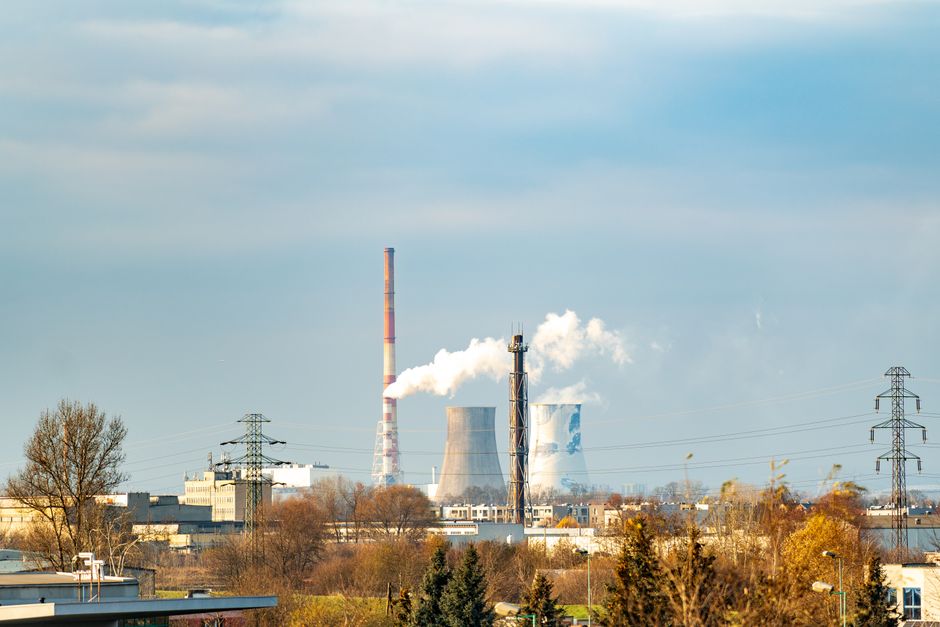
Photo by Michał Robak on Pexels
Environmental radiation comes from two main categories:
-
Natural Sources (Background Radiation):
- Cosmic Radiation: High-energy particles from space that bombard Earth's atmosphere. Exposure increases with altitude (e.g., flying in an airplane).
- Terrestrial Radiation: Radioactive isotopes present in rocks, soil, and water. Key examples include uranium, thorium, and their decay products like radon gas. Radon is a significant contributor to natural background radiation, especially indoors.
- Internal Radiation: Naturally occurring radioactive isotopes, such as Potassium-40, found inside our bodies from food and water.
-
Man-Made Sources:
- Medical Procedures: X-rays, CT scans, nuclear medicine (e.g., PET scans). These are the largest source of man-made radiation exposure for most people.
- Consumer Products: Smoke detectors (contain Americium-241), old luminous watch dials, some ceramics.
- Industrial Applications: Gauges for thickness measurement, industrial radiography.
- Nuclear Power & Weapons: Mining, processing, and use of radioactive materials in power plants, and fallout from nuclear weapons testing (though largely decreased).
Units of Measurement
Photo by Nothing Ahead on Pexels
- Becquerel (Bq): Measures the activity of a radioactive source, meaning how many atoms decay per second. 1 Bq = 1 decay per second.
- Gray (Gy): Measures the absorbed dose, the amount of radiation energy absorbed by a material or tissue. 1 Gy = 1 Joule per kilogram.
- Sievert (Sv): Measures the equivalent dose or effective dose, which accounts for the biological effect of different types of radiation on human tissue. This is the most relevant unit for radiation protection. 1 Sv = 1 Gy multiplied by a radiation weighting factor (e.g., 1 for X-rays, gamma, beta; 20 for alpha particles). Millisieverts (mSv) and microsieverts (µSv) are commonly used.
Principles of Radiation Protection
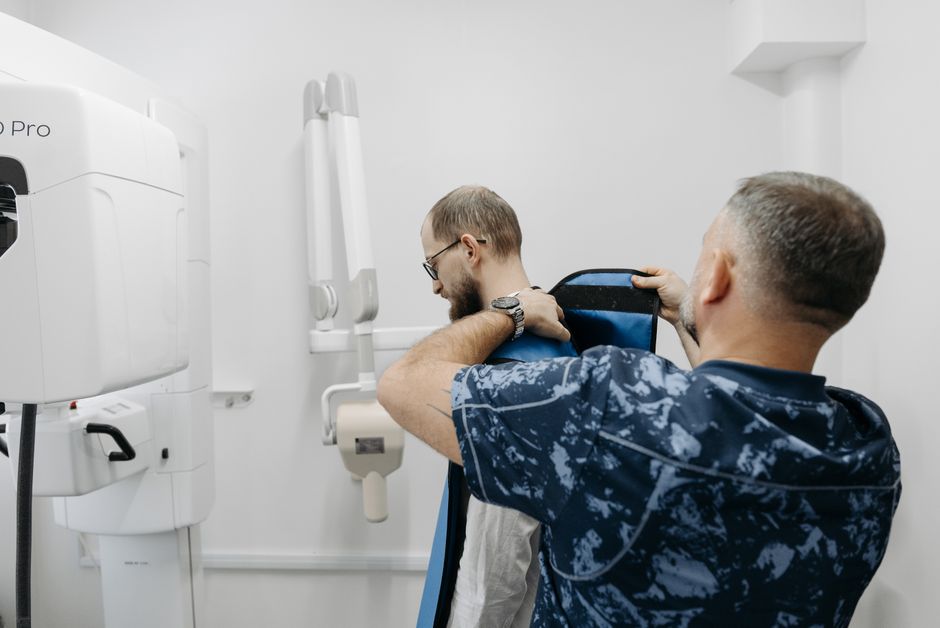
Photo by Pavel Danilyuk on Pexels
The fundamental goal of radiation protection is to keep radiation doses As Low As Reasonably Achievable (ALARA), taking into account economic and social factors. This is based on three core principles:
- Time: Minimize the duration of exposure to a radiation source. Less time means less dose.
- Distance: Maximize the distance from a radiation source. Radiation intensity decreases rapidly with distance (inverse square law).
- Shielding: Place appropriate material between you and the radiation source. The type of shielding depends on the radiation type (e.g., lead for gamma rays, water for neutrons).
Here's how the ALARA principle applies:
graph TD
    A["Radiation Exposure Scenario"] --> B{"Is exposure necessary?"}
    B -- "No" --> C["Avoid Source"]
    B -- "Yes" --> D["Apply ALARA Principle"]

    D --> E["Minimize 'Time'"]
    D --> F["Maximize 'Distance'"]
    D --> G["Utilize 'Shielding'"]

    E --> H["Work efficiently"]
    F --> I["Use tongs, remote handling"]
    G --> J["Use lead, concrete, water barriers"]

    H --> K["Reduced Dose"]
    I --> K
    J --> K
Biological Effects of Radiation
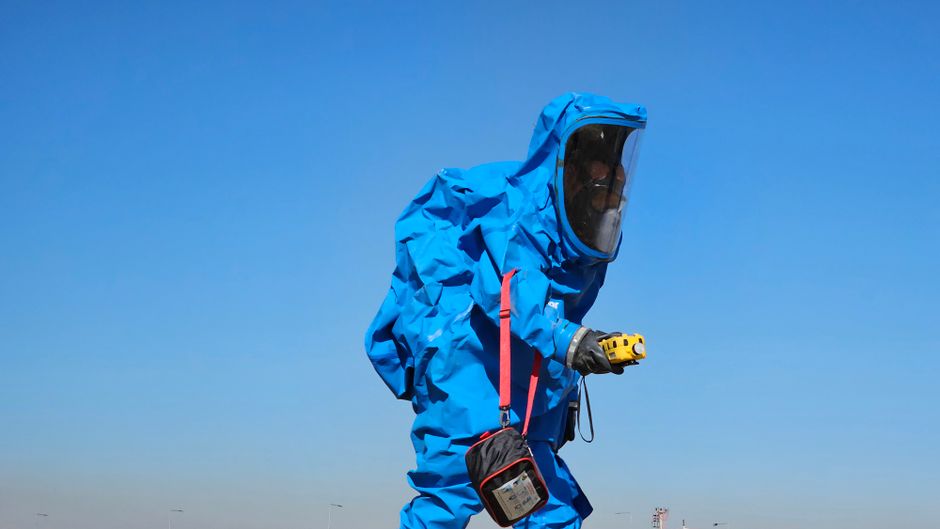
Photo by Fahrettin Turgut on Pexels
The effects of radiation depend on the dose, dose rate, type of radiation, and sensitivity of the exposed tissue.
- Deterministic Effects: Occur above a certain threshold dose, with severity increasing with dose (e.g., radiation sickness, skin burns, cataracts). These are predictable.
- Stochastic Effects: Occur randomly, with the probability increasing with dose, but not the severity (e.g., cancer, genetic mutations). There's no known threshold below which these effects definitely won't occur.
Regulatory Framework
International bodies like the International Commission on Radiological Protection (ICRP) provide recommendations. National authorities (e.g., EPA, NRC in the US) then translate these into regulations, setting dose limits for workers and the public, and governing the use and disposal of radioactive materials.
3. Worked Example
Imagine you're assessing the annual radiation dose for a nuclear power plant worker.
-
External Dose: The worker spends 100 hours per year in an area with an average dose rate of 50 microSieverts per hour (µSv/hr).
- External Dose = 100 hours * 50 µSv/hr = 5,000 µSv = 5 mSv.
-
Internal Dose (Inhalation): Due to minor airborne contamination, the worker inhales a small amount of a radionuclide. A monitoring program estimates this contributes an internal dose of 0.2 mSv annually.
-
Medical Dose: The worker has a routine chest X-ray, which typically delivers an effective dose of 0.1 mSv.
-
Natural Background Dose: Living in an area with average background radiation (excluding their work), the worker receives approximately 3 mSv per year from cosmic, terrestrial, and internal natural sources.
Total Annual Dose Calculation:
* Occupational Dose = External Dose + Internal Dose = 5 mSv + 0.2 mSv = 5.2 mSv.
* Total Annual Dose = Occupational Dose + Medical Dose + Natural Background Dose
* Total Annual Dose = 5.2 mSv + 0.1 mSv + 3 mSv = 8.3 mSv.
Let's compare this to typical limits: The annual public dose limit is often 1 mSv (above background), while occupational dose limits are typically around 20-50 mSv/year (above background, excluding medical exposures). This worker's occupational dose (5.2 mSv) is well within typical regulatory limits.
4. Key Takeaways
- Environmental radiation comes from natural sources (cosmic, terrestrial, internal) and man-made sources (medical, industrial).
- The Sievert (Sv) is the primary unit for measuring radiation dose relevant to biological effects.
- The ALARA principle (As Low As Reasonably Achievable) guides all radiation protection efforts.
- Protection from radiation involves minimizing time near the source, maximizing distance from it, and using appropriate shielding.
- Radiation effects can be deterministic (threshold, severity increases with dose) or stochastic (no threshold, probability increases with dose).
Common Mistakes to Avoid:
* Confusing activity (Bq) with dose (Sv or Gy); they measure different things.
* Ignoring the importance of radon gas as a significant natural radiation source indoors.
* Underestimating the effectiveness of distance in reducing radiation exposure.
* Failing to distinguish between natural background radiation and occupational/medical exposures when assessing total risk.
5. Now Try It
Think about your daily life. Can you identify three distinct sources of radiation exposure you might encounter, and for each, how you might apply one of the ALARA principles (Time, Distance, or Shielding) to reduce your exposure?
- Success looks like: Naming three plausible sources (e.g., granite countertop, airplane flight, dental X-ray) and a specific, sensible application of Time, Distance, or Shielding for each (e.g., "spend less time in the vicinity of the countertop," "choose a lower altitude flight," "ensure the dentist uses a lead apron").
Frequently asked about Introduction to Environmental Radiation and Protection
Study this next
Get the full nuclear technology curriculum
Clone the complete plan to your dashboard for unlimited AI-generated notes, practice quizzes, and a personalised revision schedule.
Save this course free