ICRP System of Radiological Protection
From the ICRP curriculum
TL;DR
The ICRP provides a framework for protecting people and the environment from radiation, balancing benefits with risks. It's built on three core principles: justification, optimisation, and dose limitation. Understanding this system is crucial for anyone working with radiation sources.
1. The Mental Model
Think of the ICRP system as a universal safety guide for radiation. It helps you make decisions to ensure that any exposure to radiation is necessary, kept as low as reasonably achievable, and stays below set limits.
2. The Core Material
The International Commission on Radiological Protection (ICRP) develops recommendations for radiation protection. Their system is globally recognized and forms the basis for national regulations. It applies to all situations involving radiation exposure, whether from medical uses, industrial processes, or natural sources.
The system is founded on three core principles:
2.1 Justification
This principle means that any decision to introduce or continue an activity involving radiation exposure must do more good than harm. The overall benefits to society from the activity (e.g., medical diagnosis, power generation) must outweigh the radiation detriment it causes. You can't just expose people to radiation without a good reason.
2.2 Optimisation (ALARA)
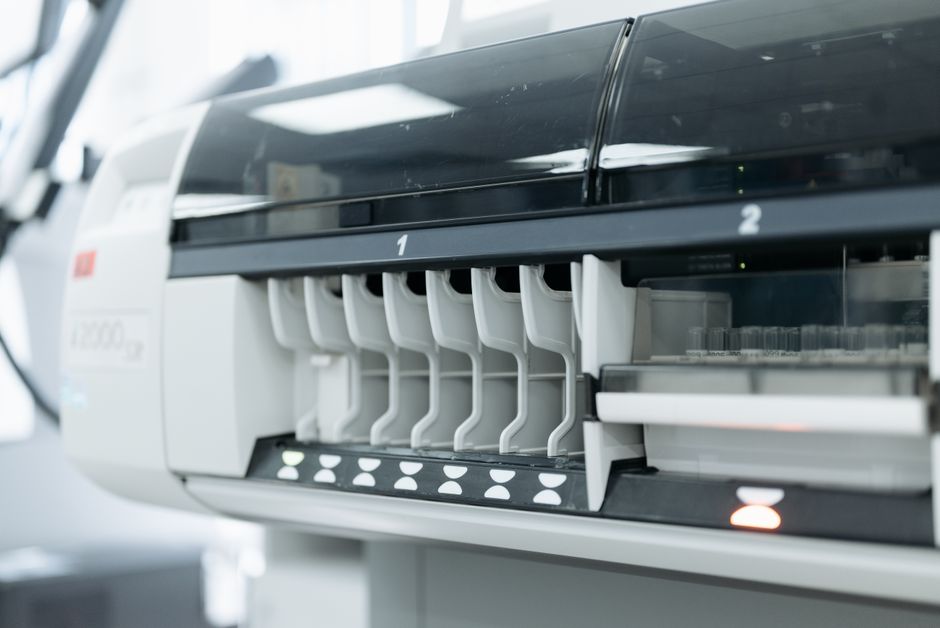
Photo by Pavel Danilyuk on Pexels
Once an activity is justified, you must ensure that the magnitude of individual doses, the number of people exposed, and the likelihood of incurring exposures are kept As Low As Reasonably Achievable (ALARA), taking economic and social factors into account. This isn't about eliminating all risk, but about reducing it to a practical minimum without imposing excessive burdens. It's a continuous process of improvement.
2.3 Dose Limitation

Photo by Anna Tarazevich on Pexels
After justification and optimisation, individual doses from all justified practices must not exceed specified dose limits. These limits are designed to prevent the occurrence of deterministic effects (like burns or radiation sickness) and to reduce the probability of stochastic effects (like cancer or genetic defects) to an acceptable level. These limits apply to workers and the public, with different values for each group.
Here's a breakdown of how these principles interact:
graph TD
    A["Need for Activity Involving Radiation?"] --> B{Justification: <br/>Does net benefit > net detriment?};
    B -- Yes --> C{"Activity is Justified"};
    B -- No --> D["Activity Not Undertaken/Ceased"];
    C --> E{Optimisation (ALARA): <br/>Keep doses As Low As Reasonably Achievable?};
    E -- Yes --> F{"Doses are Optimised"};
    E -- No --> G["Review and Reduce Doses"];
    F --> H{Dose Limitation: <br/>Are individual doses < limits?};
    H -- Yes --> I["Activity Can Proceed <br/>(Under Control)"];
    H -- No --> G;
2.4 Categories of Exposure Situations

Photo by Darya Sannikova on Pexels
The ICRP classifies radiation exposure into three main types, each requiring a slightly different approach:
- Planned Exposure Situations: These are situations where exposures are anticipated and can be controlled, like operating an X-ray machine or a nuclear power plant. All three principles apply fully.
- Emergency Exposure Situations: These arise from unexpected events that require urgent action, such as an accident at a nuclear facility. The priority is to save lives and prevent severe deterministic effects. Justification and optimisation still apply, but often with less stringent dose constraints due to the emergency nature.
- Existing Exposure Situations: These are situations that already exist when a decision on control has to be made, like exposure to natural background radiation or contaminated land from past activities. Control measures are justified and optimised to reduce doses.
3. Worked Example
Imagine a hospital wants to install a new CT scanner.
- Justification: The hospital first assesses if the new scanner provides a clear medical benefit (e.g., faster, more accurate diagnoses, reduced need for invasive procedures) that outweighs the radiation dose patients will receive. If it helps more people than it harms, it's justified.
- Optimisation (ALARA): Once justified, the hospital designs the CT room with shielding to protect staff and adjacent areas, trains technicians to use the lowest possible dose settings for diagnostic quality, and implements patient protocols to avoid unnecessary scans. They aim to get the best image with the minimum dose.
- Dose Limitation: The hospital ensures that occupational doses to staff (e.g., radiologists, technicians) remain below the annual dose limits set by national regulations, which are based on ICRP recommendations. For patients, there are no strict dose limits for medical procedures, but diagnostic reference levels (DRLs) are used as a tool for optimisation to ensure typical doses aren't excessively high for common procedures.
4. Key Takeaways
- The ICRP system is the globally recognized framework for managing radiation risks.
- Its three core principles are Justification, Optimisation (ALARA), and Dose Limitation.
- Justification ensures the overall benefit of a radiation activity outweighs its harm.
- Optimisation means doses should be kept As Low As Reasonably Achievable, considering all factors.
- Dose Limitation sets maximum allowable doses to prevent harm and reduce cancer risk.
- The system applies to planned, emergency, and existing exposure situations.
- Understanding these principles helps you make informed decisions in radiation protection.
Common Mistakes to Avoid:
- Don't confuse ALARA with eliminating all radiation risk; it's about minimizing it reasonably.
- Don't assume dose limits mean "safe below, unsafe above"; they are regulatory thresholds.
- Forgetting to consider non-radiological factors (economic, social) during optimisation.
- Applying principles rigidly to emergency situations without adapting to the context.
5. Now Try It
You're part of a team planning to use a radioactive source for industrial radiography to check welds in pipelines. Describe how you would apply the three core ICRP principles—Justification, Optimisation, and Dose Limitation—in your planning process.
What to do: Write a short paragraph for each principle explaining specific actions you'd take.
What success looks like: Your response clearly demonstrates how each principle influences your decision-making and actions for this specific industrial application.
Frequently asked about ICRP System of Radiological Protection
Study this next
Get the full ICRP curriculum
Clone the complete plan to your dashboard for unlimited AI-generated notes, practice quizzes, and a personalised revision schedule.
Save this course free