Major Branches and Applications of Biotechnology
From the Science curriculum
TL;DR
Biotechnology uses living organisms or their components to create useful products or solve problems. It covers many fields, from medicine to agriculture, and has a huge impact on our daily lives. Understanding its main branches helps you see how diverse and powerful this science is.
1. The Mental Model
Think of biotechnology as a toolkit where the tools are living things (like bacteria or cells) and the job is to make something better or solve a problem. It's about using biology in a smart, engineered way.
2. The Core Material
Biotechnology isn't just one thing; it's a huge field with many specialized areas, often identified by colors. Here's a look at the major branches and their common applications:
Red Biotechnology: Healthcare and Medicine
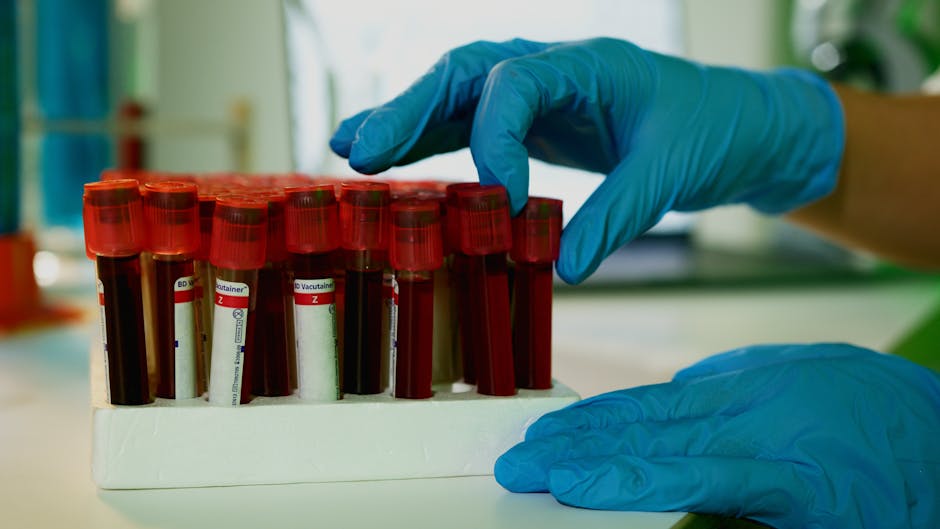
Photo by Artem Podrez on Pexels
This is probably the most well-known branch. It focuses on medical and pharmaceutical applications.
* Applications:
* Drug Development: Creating new medicines, like insulin for diabetes or antibody therapies for cancer.
* Vaccines: Developing immunizations against diseases.
* Diagnostics: Creating tests to detect diseases earlier and more accurately (e.g., rapid COVID-19 tests).
* Gene Therapy: Modifying genes to treat genetic disorders.
Green Biotechnology: Agriculture
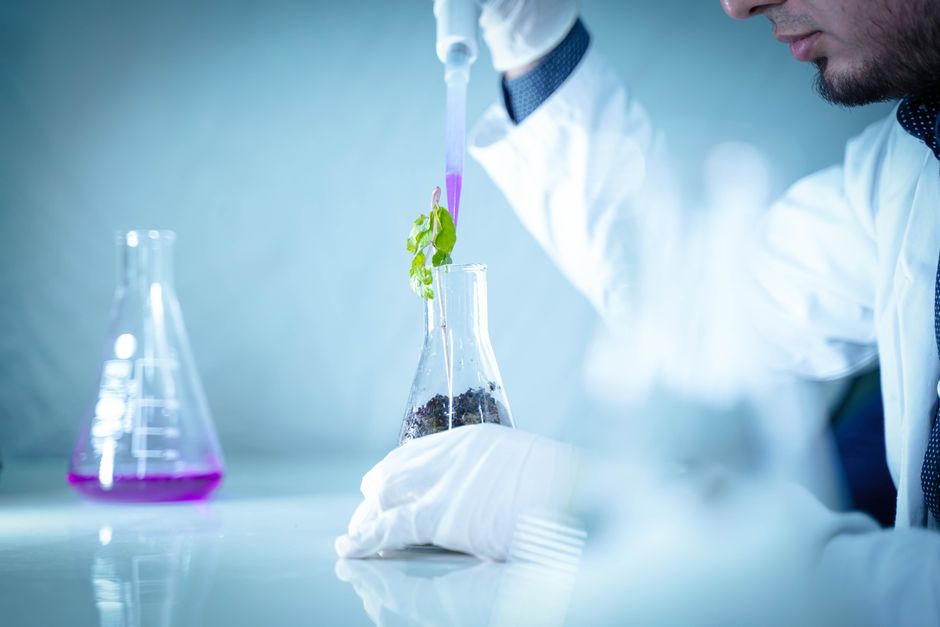
Photo by Mehul Patel on Pexels
Green biotech applies to agricultural processes. Its goal is to improve crop yields, quality, and sustainability.
* Applications:
* Genetically Modified (GM) Crops: Developing plants resistant to pests, diseases, or harsh environmental conditions (drought, salinity).
* Biofertilizers and Biopesticides: Using microbes to enhance plant growth or protect them from pests, reducing reliance on chemical alternatives.
* Improved Nutritional Value: Creating "biofortified" crops with higher levels of vitamins or minerals (e.g., Golden Rice with Vitamin A).
White Biotechnology: Industrial Processes

Photo by Mark Stebnicki on Pexels
Also known as industrial biotechnology, this branch focuses on using living cells or enzymes to produce industrial products and energy. It often aims for more environmentally friendly processes.
* Applications:
* Biofuels: Producing fuels like ethanol from biomass.
* Bioplastics: Creating biodegradable plastics from renewable resources.
* Enzyme Production: Manufacturing enzymes used in detergents, textiles, or food processing.
* Biomanufacturing: Using microbes to produce chemicals, materials, or even fabrics.
Blue Biotechnology: Aquatic and Marine Environments

Photo by Gülşah PEHLİVAN on Pexels
Blue biotech explores marine and aquatic organisms for useful products and processes.
* Applications:
* New Drugs: Discovering compounds from marine organisms with potential pharmaceutical benefits (e.g., anti-cancer agents).
* Aquaculture: Improving the health and growth of farmed fish and shellfish.
* Cosmetics and Nutritional Supplements: Sourcing ingredients like omega-3 fatty acids or collagen from marine life.
Gold Biotechnology: Bioinformatics and Nanobiotechnology
This is a more recent and cross-cutting branch.
* Applications:
* Bioinformatics: Using computational tools to analyze biological data, especially genetic sequences. Crucial for drug discovery and understanding diseases.
* Nanobiotechnology: Combining nanotechnology with biology to create tiny devices for medical diagnostics, drug delivery, or biosensors.
Here's how these branches generally relate:
graph TD
    A["Biotechnology"] --> B["Red Biotech (Healthcare)"]
    A --> C["Green Biotech (Agriculture)"]
    A --> D["White Biotech (Industrial)"]
    A --> E["Blue Biotech (Marine)"]
    A --> F["Gold Biotech (Data & Nano)"]

    B --> B1["Drug Development"]
    B --> B2["Vaccines"]
    B --> B3["Diagnostics"]

    C --> C1["GM Crops"]
    C --> C2["Biofertilizers"]
    C --> C3["Improved Nutrition"]

    D --> D1["Biofuels"]
    D --> D2["Bioplastics"]
    D --> D3["Enzyme Production"]

    E --> E1["Marine Drugs"]
    E --> E2["Aquaculture"]

    F --> F1["Bioinformatics"]
    F --> F2["Nanomedicine"]
3. Worked Example
Imagine you're trying to solve the problem of a growing global population needing more food and struggling with traditional pesticide use.
A Green Biotechnology approach would be to develop a new variety of corn. Scientists could identify a gene in a bacteria (like Bacillus thuringiensis, or Bt) that produces a protein toxic to certain insect pests but harmless to humans and other animals. They would then use genetic engineering techniques to insert this Bt gene into the corn plant's DNA.
The result is Bt corn, a genetically modified crop. This corn naturally produces the insecticidal protein, making it resistant to pests like the corn borer. Farmers planting Bt corn can reduce their use of chemical pesticides, saving money and decreasing environmental impact, while also achieving higher yields.
4. Key Takeaways
- Biotechnology uses living systems or their components to make products or solve problems.
- Red Biotechnology focuses on medical advancements like new drugs and therapies.
- Green Biotechnology improves agriculture through genetic modification and sustainable farming practices.
- White Biotechnology optimizes industrial processes for cleaner, more efficient production.
- Blue Biotechnology harnesses marine resources for unique products and applications.
- Gold Biotechnology combines computational power and nanoscale engineering with biology.
Common mistakes to avoid:
- Don't confuse biotechnology with genetic engineering; genetic engineering is a tool within biotechnology.
- Don't assume all biotechnology is about GMOs; many applications don't involve direct genetic modification.
- Don't think biotechnology is only for "big" problems; it's used in everyday products too (e.g., enzymes in detergents).
- Don't underestimate the ethical considerations that come with powerful biotechnological advancements.
5. Now Try It
Pick a common product you use daily (e.g., laundry detergent, bread, a specific medicine, a food item like cheese or yogurt) and research how biotechnology might be involved in its production or improvement. Describe which branch(es) of biotechnology apply and identify at least one specific application you discover.
Success looks like you identifying the product, linking it to one or more biotech branches (e.g., white biotech for enzymes in detergent, red biotech for a specific drug), and briefly explaining the biotechnological role.
Frequently asked about Major Branches and Applications of Biotechnology
More from Science
Get the full Science curriculum
Clone the complete plan to your dashboard for unlimited AI-generated notes, practice quizzes, and a personalised revision schedule.
Save this course free