Introduction to Physical Literacy
From the physical literciy KP100 curriculum
TL;DR
Physical literacy is a holistic journey, encompassing your physical skills, motivation, understanding, and confidence to be active for life. It's not just about being good at sports, but about developing a broad range of movement abilities that let you participate in many different physical activities. Building your physical literacy helps you lead a healthier, more active, and fulfilling life.
1. The Mental Model
Think of physical literacy as learning a new language, but instead of words, you're learning movements. Just like reading and writing let you communicate, physical literacy lets you interact confidently and competently with your physical world. It's about having the "vocabulary" of movement to enjoy being active in various ways.
2. The Core Material
Physical literacy isn't just one thing; it's a combination of different elements that work together. It's a lifelong journey, not a destination.
What are the Key Elements?

Photo by Ann H on Pexels
- Motivation and Confidence: This is your desire and belief in your ability to be active. If you don't feel motivated or confident, you're less likely to try new activities or stick with existing ones.
- Physical Competence: This refers to your fundamental movement skills (like running, jumping, throwing, catching) and fundamental sport skills (like dribbling a ball or swimming strokes). It's about moving efficiently and effectively in different environments.
- Knowledge and Understanding: This involves knowing what to do, why you're doing it, and how to do it. It includes understanding the health benefits of activity, how your body works, and the rules or strategies of different games and sports.
- Engagement in Physical Activity for Life: This is the ultimate goal – applying all the above elements to choose to be active regularly throughout your life in a variety of ways.
These elements aren't separate; they influence each other. For example, if you have better physical competence, you'll likely feel more confident, which then boosts your motivation to be active.
graph LR
    A["Motivation & Confidence"] --> B["Physical Competence"]
    B --> C["Knowledge & Understanding"]
    C --> A
    A --> D["Engagement in Physical Activity for Life"]
    B --> D
    C --> D
Why is Physical Literacy Important?
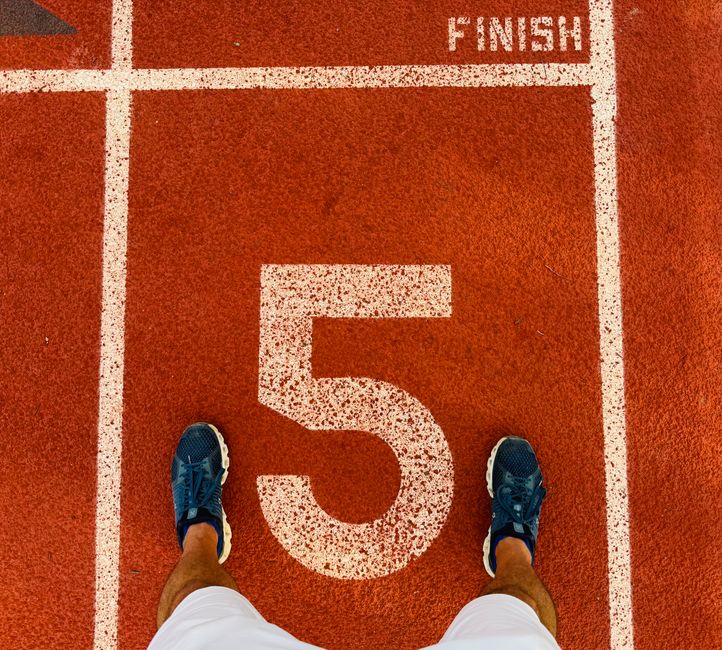
Photo by EnsearchofYou * on Pexels
- Better Health: Being physically literate often leads to more activity, which improves cardiovascular health, strengthens muscles and bones, and helps manage weight.
- Increased Enjoyment: When you're competent and confident, physical activity becomes more enjoyable, encouraging continued participation.
- Broader Participation: You're more likely to try different sports, outdoor activities, or recreational pursuits if you have a wide range of movement skills.
- Reduced Risk of Injury: Good movement skills and understanding can help you perform activities more safely.
- Lifelong Habits: Developing physical literacy early sets the foundation for an active lifestyle throughout adulthood.
It's crucial to remember that physical literacy isn't about being an elite athlete. It's about having the fundamental skills and confidence to participate and enjoy movement at any level.
3. Worked Example
Imagine two individuals, Alex and Ben.
Alex grew up playing a variety of games – tag, climbing trees, learning to ride a bike, swimming lessons, and trying out different sports in school. As an adult, Alex feels comfortable trying a new dance class, going for a hike, or joining a casual sports league with friends. Alex understands the importance of warm-ups and cool-downs and knows how to modify activities to suit their current fitness level. Alex possesses high motivation and confidence because of past positive experiences, a broad physical competence from diverse activities, and a good knowledge and understanding of movement and health. This results in engagement in physical activity for life.
Ben, on the other hand, had fewer opportunities to explore different movements as a child. Ben feels awkward trying new physical activities and often makes excuses to avoid them. Ben lacks confidence in their movement skills and has limited knowledge of how to start or participate safely. Even though Ben knows activity is "good for them," the lack of competence and confidence leads to low motivation. Consequently, Ben has limited engagement in physical activity for life.
This example highlights how the different elements of physical literacy intertwine. Alex's diverse movement experiences built a strong foundation, leading to a confident and active lifestyle. Ben's limited experiences resulted in a lack of confidence and motivation, making it harder to engage in physical activity.
4. Key Takeaways
- Physical literacy is about developing a wide range of movement skills, not just excelling in one sport.
- It includes your motivation, confidence, physical competence, and understanding related to physical activity.
- These four elements are interconnected and influence each other significantly.
- High physical literacy helps you enjoy and participate in physical activity throughout your entire life.
- It's a lifelong journey, meaning you can always improve and expand your physical literacy.
-
Physical literacy promotes better health, broader participation, and greater enjoyment of movement.
-
Common Mistakes to Avoid:
- Thinking physical literacy is only for athletes or children.
- Believing that being active means you're automatically physically literate.
- Focusing solely on physical skill without considering confidence or understanding.
- Comparing your physical literacy journey to others, as it's a very personal path.
5. Now Try It
Over the next week, identify three different physical activities you've never tried or rarely do (e.g., trying a new dance move, attempting to skip rope, balancing on one foot while brushing your teeth, throwing a frisbee, or trying a different type of stretch). Reflect on your current motivation, confidence, physical competence, and knowledge for each activity before you try it. Then, attempt each activity for at least 5-10 minutes. Afterwards, re-evaluate how your motivation, confidence, competence, and knowledge might have shifted, even slightly.
Success looks like: You've tried at least two new movements or activities, reflected on your initial feelings, and noticed any change in your perspective or ability after trying them, even if it was just a small improvement in your understanding or confidence.
Frequently asked about Introduction to Physical Literacy
Study this next
Get the full physical literciy KP100 curriculum
Clone the complete plan to your dashboard for unlimited AI-generated notes, practice quizzes, and a personalised revision schedule.
Save this course free