Physical Competence and Body Awareness
From the physical literciy KP100 curriculum
TL;DR
Physical competence is your ability to perform different movements effectively and efficiently. Body awareness is your understanding of your own body's position, movement, and feelings. Developing both helps you move better, avoid injuries, and enjoy physical activity more.
1. The Mental Model
Think of physical competence as your body's "skillset" for moving. Body awareness is like your internal "GPS" and "feedback system" that tells you where your body is, what it's doing, and how it feels. They work together so you can plan, execute, and adjust your movements.
2. The Core Material
Physical competence isn't just about being strong or fast; it's about the quality and variety of your movements. It includes things like coordination, balance, agility, and fundamental movement skills (like running, jumping, throwing). The more competent you are, the more options you have for how you move and the easier it feels.
Body awareness, also called proprioception and interoception, is your internal sense of your body.
* Proprioception is knowing where your body parts are in space without looking (e.g., knowing your arm is raised even with your eyes closed).
* Interoception is your internal sense of what's happening inside your body (e.g., feeling your heart rate increase, sensing muscle fatigue).
Developing body awareness helps you:
* Improve movement control: You can fine-tune your actions.
* Prevent injuries: You notice awkward positions or strain sooner.
* Enhance performance: You can adjust quickly during an activity.
* Manage stress: You're more attuned to physical signs of tension.
Here's how these two concepts are linked:
graph TD
    A["Physical Competence (Skills & Abilities)"] --> B["Better Movement Execution"];
    C["Body Awareness (Internal Senses)"] --> D["Improved Proprioception"];
    C --> E["Enhanced Interoception"];
    D --> B;
    E --> B;
    B --> F["Reduced Injury Risk"];
    B --> G["Increased Enjoyment of Activity"];
    F --> A;
    G --> A;
Developing Physical Competence
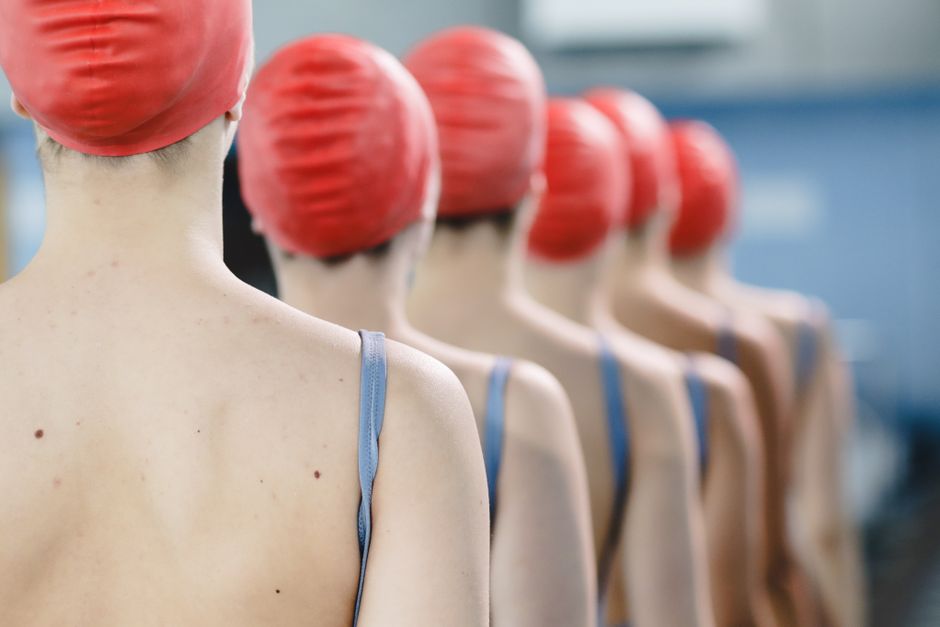
Photo by cottonbro studio on Pexels
This involves practicing a range of movements.
* Fundamental Movement Skills: Focus on running, jumping, throwing, catching, kicking, and striking.
* Stability & Balance: Activities like yoga, tai chi, or simply standing on one leg.
* Coordination: Drills that require using different body parts together, like skipping or ladder drills.
* Agility: Quick changes of direction, like cone drills.
Enhancing Body Awareness
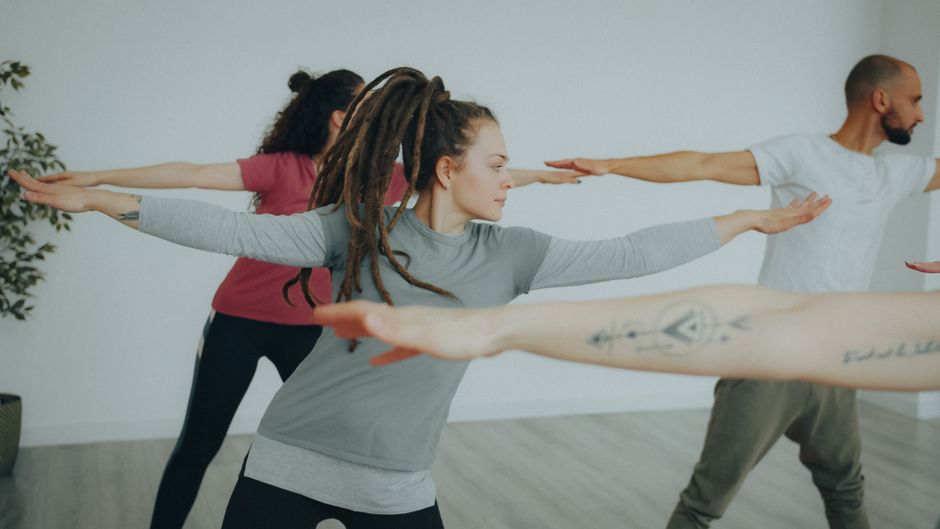
Photo by Vitaly Gariev on Pexels
This is about paying attention to your body.
* Mindful Movement: During any activity, actively notice how your body feels. What muscles are working? What's your posture like?
* Body Scans: Lie down and systematically bring attention to different parts of your body, noticing sensations without judgment.
* Movement Exploration: Try new, unusual movements. This challenges your proprioception.
* Mirror Work: Observe your posture and movement patterns in a mirror to connect internal sensations with external appearance.
* Breath Awareness: Pay attention to your breath – how it moves your body, its rhythm. This is a core part of interoception.
3. Worked Example
Imagine you're trying to learn a new dance move, say, a pirouette.
-
Initial Attempt (Low Competence, Low Awareness): You try to spin, your arms are flailing, you wobble, and you fall. You might not even know why you fell, just that it didn't work. Your physical competence for that specific move is low, and your body awareness isn't helping you understand the mechanics.
-
Practice with Focus (Developing Both): You watch a video, focus on spotting (a fixed point for your eyes), and try to keep your core tight. As you practice, you start to feel your weight shift, you notice if your shoulders are too high, or if your arms are too wide. This is your body awareness kicking in. You use that feedback to adjust your form.
-
Improved Performance (Higher Competence, Higher Awareness): After consistent practice, you can now execute the pirouette more smoothly. You can instinctively feel when you're off-balance and make tiny corrections mid-spin. You've developed specific physical competence for the pirouette, and your body awareness allows you to perform it efficiently and safely, making it feel almost effortless.
4. Key Takeaways
- Physical competence involves a wide range of movement skills beyond just strength or speed.
- Body awareness is your internal understanding of your body's position, movement, and internal states.
- These two concepts are interdependent; improving one often benefits the other.
- Mindful practice and paying attention to bodily sensations are key to enhancing both.
- Good physical competence and body awareness help prevent injuries and boost confidence in movement.
- Regularly trying new and varied physical activities is an excellent way to develop both.
Common Mistakes to Avoid:
- Ignoring bodily feedback: Pushing through pain or discomfort instead of listening to your body's signals.
- Focusing only on outcomes: Only caring about "how fast" or "how strong" rather than "how well" you move.
- Repetitive, unvaried training: Not exposing your body to a wide enough range of movements.
- Not allowing for recovery: Failing to recognize signs of fatigue or overtraining due to poor interoception.
5. Now Try It
For the next 15 minutes, perform a simple activity you do regularly, like walking, standing, or reaching for something. Instead of just doing it, actively pay attention to your body. Notice:
1. Where is your weight distributed when you stand or walk?
2. What muscles are engaging? Do you feel any tension?
3. How does your breath feel? Is it shallow or deep?
4. Can you perform the movement more smoothly or efficiently by making small adjustments based on what you feel?
The goal isn't to change anything drastically, but simply to observe and connect with your body's sensations during movement. Success looks like you being able to describe at least three specific physical sensations or observations you made during your chosen activity.
Frequently asked about Physical Competence and Body Awareness
More from physical literciy KP100
Get the full physical literciy KP100 curriculum
Clone the complete plan to your dashboard for unlimited AI-generated notes, practice quizzes, and a personalised revision schedule.
Save this course free