Knowledge and Understanding of Physical Activity
From the physical literciy KP100 curriculum
TL;DR
Understanding physical activity goes beyond just doing it; it's about knowing why it's important, how your body responds, and what different types of activity achieve. This knowledge helps you make informed choices for a healthier life and empowers you to guide others. It covers everything from basic health benefits to the specific demands of different sports.
1. The Mental Model
Think of physical activity knowledge as a toolkit for your body and mind. Each tool helps you understand a different aspect of movement, from improving your heart health to developing strong muscles, and how to apply this knowledge effectively.
2. The Core Material
Your knowledge and understanding of physical activity are crucial for several reasons. It helps you participate effectively, prevent injuries, and even motivate others. It’s not just about being active, but about being smart about your activity.
Health Benefits of Physical Activity

Photo by Ketut Subiyanto on Pexels
Regular physical activity offers a huge range of benefits, impacting almost every system in your body. Knowing these benefits can be a powerful motivator.
- Cardiovascular Health: Strengthens your heart and lungs, reducing risks of heart disease, stroke, and high blood pressure.
- Musculoskeletal Health: Builds strong bones, muscles, and joints, improving posture, balance, and reducing the risk of osteoporosis.
- Weight Management: Helps burn calories, maintain a healthy weight, and reduce the risk of obesity-related conditions.
- Mental and Emotional Well-being: Releases endorphins, which can reduce stress, anxiety, and symptoms of depression. It also improves mood and cognitive function.
- Disease Prevention: Lowers the risk of type 2 diabetes, certain cancers, and improves immune function.
Components of Fitness
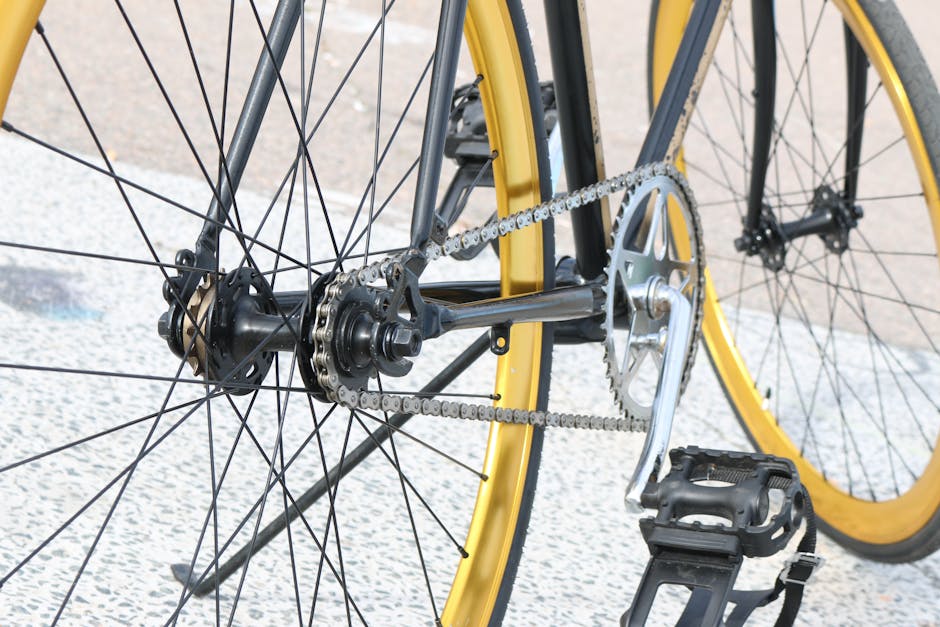
Photo by Pixabay on Pexels
Physical activity contributes to different components of fitness. Understanding these helps you tailor your workouts.
- Cardiorespiratory Endurance: Your body's ability to deliver oxygen to working muscles during prolonged activity (e.g., running, swimming).
- Muscular Strength: The maximum force your muscles can exert in a single effort (e.g., lifting heavy weights).
- Muscular Endurance: Your muscles' ability to perform repeated contractions without fatigue (e.g., doing many push-ups).
- Flexibility: The range of motion around a joint (e.g., stretching, yoga).
- Body Composition: The proportion of fat and lean mass in your body.
Principles of Training

Photo by Ketut Subiyanto on Pexels
To get the most out of physical activity, you need to apply some basic training principles.
- Specificity: To improve a certain component of fitness or a skill, you must train specifically for it. Want to run faster? Do running workouts.
- Progression: Gradually increase the intensity, duration, or frequency of your workouts as your body adapts. Don't do too much too soon.
- Overload: To improve, your body must be challenged beyond its normal capacity. This is why progression is important.
- Reversibility: If you stop training, your fitness levels will decline. Use it or lose it!
- F.I.T.T. Principle: A framework to guide your workout design:
- Frequency: How often you train.
- Intensity: How hard you train.
- Time: How long you train.
- Type: What kind of exercise you do.
Understanding the Impact of Physical Activity on Different Systems

Photo by Kampus Production on Pexels
graph TD
    A["Regular Physical Activity"] --> B["Cardiovascular System"]
    B --> B1["Stronger Heart"]
    B --> B2["Improved Circulation"]
    B --> B3["Lower Blood Pressure"]

    A --> C["Musculoskeletal System"]
    C --> C1["Stronger Bones & Muscles"]
    C --> C2["Improved Joint Flexibility"]
    C --> C3["Better Balance & Posture"]

    A --> D["Metabolic System"]
    D --> D1["Better Blood Sugar Control"]
    D --> D2["Improved Fat Metabolism"]
    D --> D3["Healthy Weight Management"]

    A --> E["Nervous System"]
    E --> E1["Reduced Stress & Anxiety"]
    E --> E2["Improved Mood"]
    E --> E3["Enhanced Cognitive Function"]
3. Worked Example
Let's say you want to improve your cardiorespiratory endurance for a 5k fun run, but you also want to strengthen your core for better posture.
Using your knowledge:
- F.I.T.T. for Endurance: You know you need to focus on Frequency (3-4 times a week), Intensity (moderate-to-vigorous, you should be able to talk but not sing), Time (30+ minutes), and Type (running, brisk walking, cycling).
- Specificity: For the 5k, your primary activity type will be running.
- Progression: You start with walking, then alternate walking and jogging, gradually increasing jogging time and intensity each week.
- Muscular Strength/Endurance (Core): You add specific core exercises like planks, crunches, and bird-dog exercises 2-3 times a week, separate from your cardio or after it.
- Flexibility: You include dynamic warm-ups and static cool-down stretches to maintain range of motion and prevent injury.
- Reversibility awareness: You know that if you stop training for a few weeks, you'll lose some gains, so you aim for consistency.
By applying these principles, you're not just exercising; you're training intelligently.
4. Key Takeaways
- Understand the diverse health benefits of physical activity, including physical and mental well-being.
- Recognize the five key components of fitness: cardiorespiratory endurance, muscular strength, muscular endurance, flexibility, and body composition.
- Apply the F.I.T.T. principle (Frequency, Intensity, Time, Type) to design effective workout plans.
- Remember the principles of training (specificity, progression, overload, reversibility) to maximize results and prevent injury.
- Physical activity positively impacts multiple body systems, including cardiovascular, musculoskeletal, metabolic, and nervous systems.
-
Informed decisions about physical activity lead to better long-term health outcomes.
-
Common mistake: Ignoring warm-ups and cool-downs, increasing injury risk.
- Common mistake: Only focusing on one type of exercise, neglecting other fitness components.
- Common mistake: Doing too much too soon, leading to burnout or injury (ignoring progression).
- Common mistake: Not understanding the "why" behind the activity, which can lead to lack of motivation.
5. Now Try It
Think about a physical activity goal you have, no matter how small (e.g., walking more, improving arm strength, touching your toes). Spend 15 minutes outlining a basic plan for yourself using the F.I.T.T. principle and considering at least two training principles (like progression or specificity). What would your Frequency, Intensity, Time, and Type look like for that goal? What success looks like is having a clear, actionable starting plan that considers your current fitness level and applies the knowledge you've just learned.
Frequently asked about Knowledge and Understanding of Physical Activity
More from physical literciy KP100
Get the full physical literciy KP100 curriculum
Clone the complete plan to your dashboard for unlimited AI-generated notes, practice quizzes, and a personalised revision schedule.
Save this course free