Fundamental Movement Skills (FMS)
From the physical literciy KP100 curriculum
TL;DR
Fundamental Movement Skills (FMS) are the basic building blocks for more complex physical activities and sports. Mastering FMS early helps you participate confidently in various physical pursuits throughout your life. They're typically categorized into locomotor, manipulative, and stability skills.
1. The Mental Model
Think of FMS as your physical ABCs. Just as you learn letters to form words and sentences, you learn these basic movements to perform more complex actions like playing soccer or dancing. Getting good at these basics makes learning new physical activities much easier and more fun.
2. The Core Material
Fundamental Movement Skills are a set of common, basic movements that are used in play, games, sports, and daily activities. They form the foundation for developing specialized movement skills. There are three main categories:
a. Locomotor Skills

Photo by Bulat Khamitov on Pexels
These are skills that involve moving the body from one place to another. They're about getting around.
- Examples: Running, jumping, hopping, skipping, galloping, sliding, leaping.
b. Manipulative Skills (Object Control Skills)
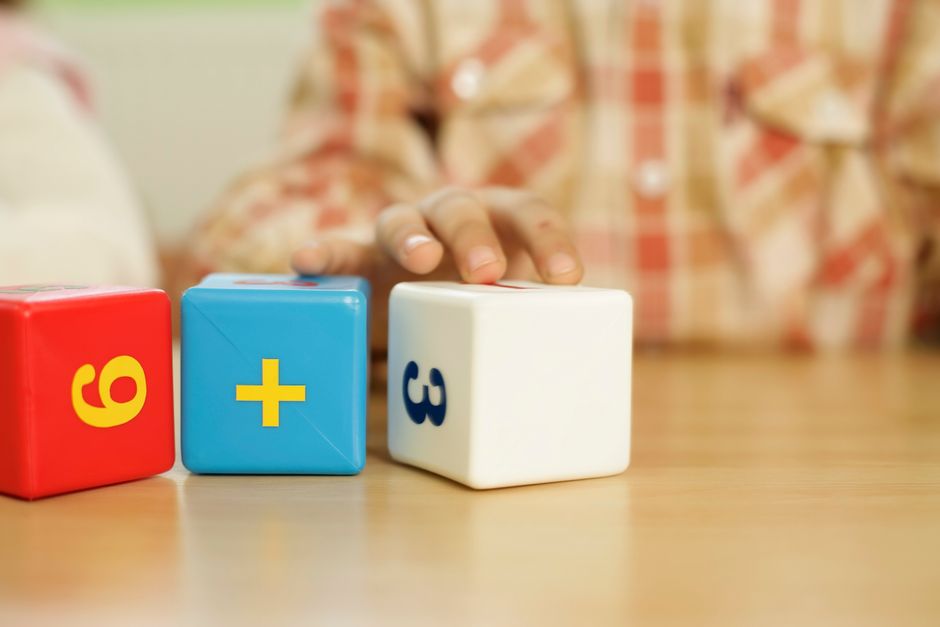
Photo by BOOM 💥 Photography on Pexels
These skills involve controlling an object, often with your hands or feet. They require coordination between your body and an external object.
- Examples: Throwing, catching, kicking, striking (e.g., hitting a ball with a bat), dribbling (e.g., a basketball or soccer ball), trapping (e.g., a soccer ball).
c. Stability Skills (Non-Locomotor Skills)
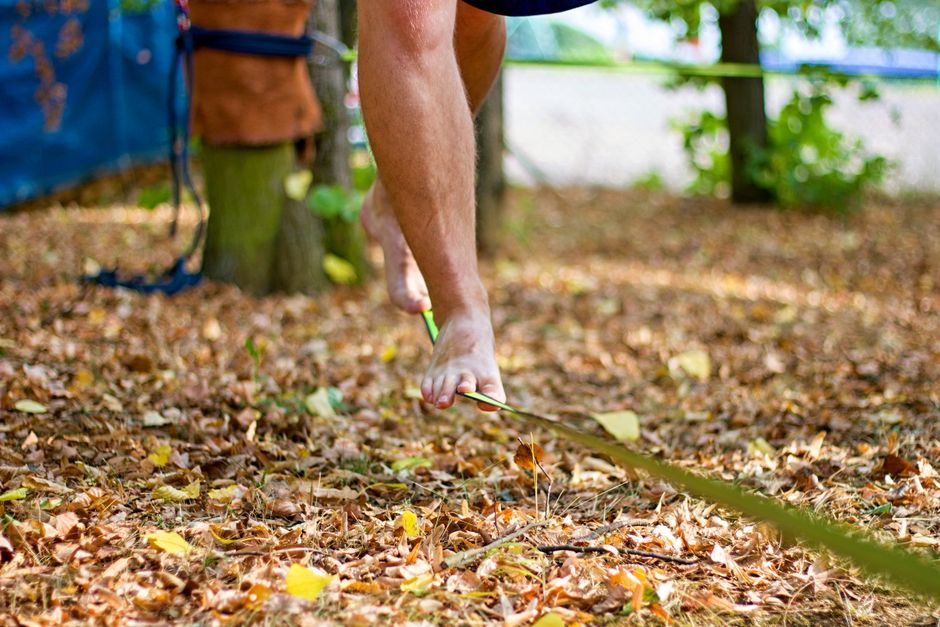
Photo by Bara Cross on Pexels
These skills involve maintaining balance and control of your body in one place. They're crucial for almost all other movements.
- Examples: Balancing, twisting, bending, stretching, swinging, rolling, stopping, landing.
Mastering these skills allows for more fluid, efficient, and confident participation in a wide range of physical activities. Without a strong foundation in FMS, more complex movements become harder to learn and perform, potentially leading to frustration or avoiding physical activity.
graph TD
    A["Fundamental Movement Skills (FMS)"] --> B["Locomotor Skills"]
    A --> C["Manipulative Skills"]
    A --> D["Stability Skills"]

    B --> B1["Running"]
    B --> B2["Jumping"]
    B --> B3["Hopping"]
    B --> B4["Skipping"]

    C --> C1["Throwing"]
    C --> C2["Catching"]
    C --> C3["Kicking"]
    C --> C4["Striking"]

    D --> D1["Balancing"]
    D --> D2["Twisting"]
    D --> D3["Bending"]
    D --> D4["Landing"]
3. Worked Example
Imagine a child learning to play basketball.
* First, they need locomotor skills like running to move up and down the court.
* Then, they need manipulative skills like dribbling the ball (controlling it with their hands) and throwing (shooting the ball towards the hoop).
* Finally, stability skills are essential for balancing while dribbling, planting their feet to take a shot, or landing safely after a jump.
Without the foundational FMS, trying to play basketball would be like trying to write an essay without knowing the alphabet – incredibly difficult and frustrating.
4. Key Takeaways
- FMS are the foundational movements for all physical activity and sports.
- They are grouped into locomotor (moving from place to place), manipulative (controlling objects), and stability (maintaining balance) skills.
- Developing strong FMS early in life promotes lifelong physical activity and confidence.
- Practice and proper instruction are key to improving FMS.
-
FMS aren't just for kids; adults can also improve their skills for better performance and injury prevention.
-
Common mistakes to avoid:
- Ignoring the basics: Don't jump into complex sports without solid FMS.
- Focusing on only one type of skill: Neglecting stability or manipulative skills can create imbalances.
- Expecting instant mastery: FMS development takes time and consistent practice.
- Not providing varied opportunities: Limiting exposure to different movements hinders skill development.
5. Now Try It
For 15 minutes, find a safe, open space. Focus on one locomotor skill (e.g., hopping), one manipulative skill (e.g., throwing a balled-up sock at a target), and one stability skill (e.g., balancing on one foot for 30 seconds). Practice each for about 5 minutes, trying to refine your technique. What success looks like is feeling more confident and coordinated with each movement, noticing small improvements in your form, or even just identifying areas where you could improve next time.
Frequently asked about Fundamental Movement Skills (FMS)
More from physical literciy KP100
Get the full physical literciy KP100 curriculum
Clone the complete plan to your dashboard for unlimited AI-generated notes, practice quizzes, and a personalised revision schedule.
Save this course free