Review and Application: Locational Identification & Stress Factors
From the Lab notes (1-5) curriculum
TL;DR
This note helps you understand how a location's characteristics are identified and how different environmental factors create stress for organisms. We'll look at how these two ideas connect, especially when thinking about where species live. You'll apply this knowledge to predict how environmental changes might affect a local ecosystem.
1. The Mental Model
Think of a location as having a unique "fingerprint" made of its physical and biological traits. Organisms living there are specifically adapted to these traits, and any significant change to these traits can become a "stressor" that impacts their survival.
2. The Core Material
When we talk about locational identification, we're describing a place by its unique combination of abiotic (non-living) and biotic (living) factors. These factors together define an ecological niche – the role and position a species has in its environment.
Abiotic Factors
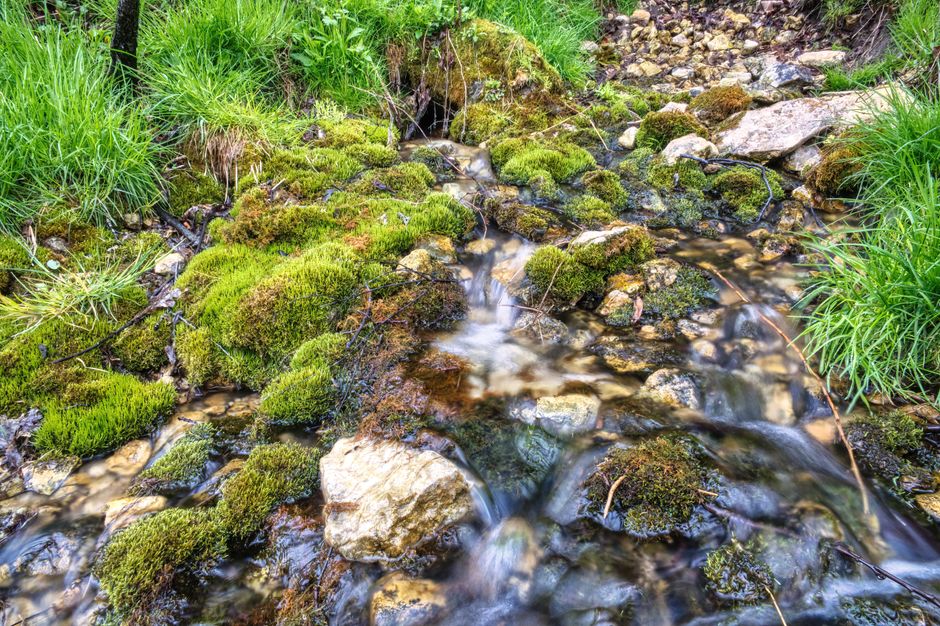
Photo by Tom Fisk on Pexels
These are the non-living chemical and physical parts of the environment that affect living organisms and the functioning of ecosystems.
* Temperature: Average daily, seasonal, and extreme highs/lows.
* Precipitation: Amount of rain, snow, or other moisture.
* Sunlight: Intensity, duration, and seasonality.
* Soil/Substrate: Type, pH, nutrient content, drainage.
* Water Availability: Presence of freshwater, saltwater, or brackish; flow rates.
* Salinity: Concentration of dissolved salts in water or soil.
* Topography: Elevation, slope, aspect (direction a slope faces).
* Wind: Speed and direction.
Biotic Factors
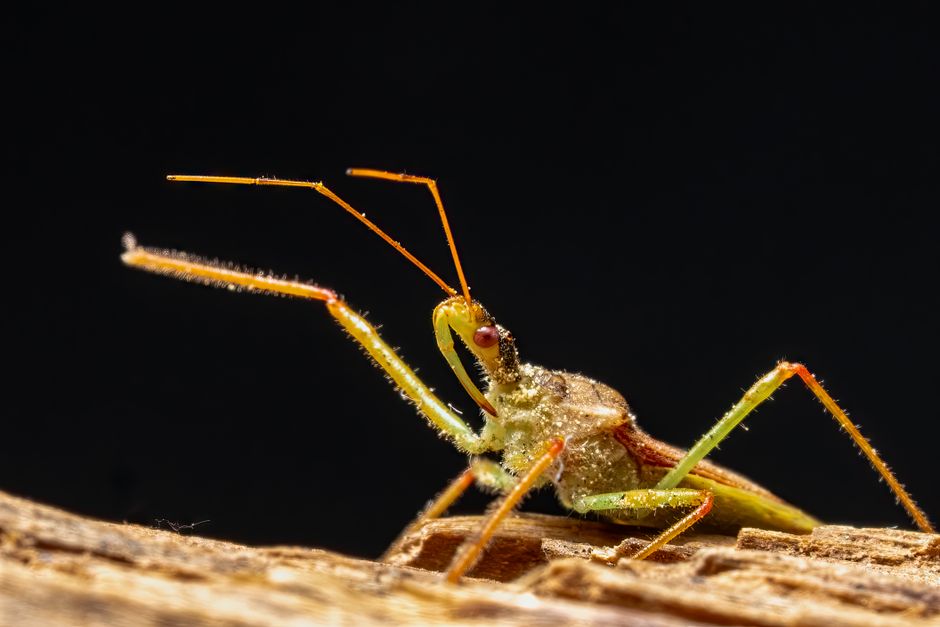
Photo by Rafael Minguet Delgado on Pexels
These are the living or once-living components of an ecosystem.
* Primary Producers: Plants, algae, photosynthetic bacteria.
* Consumers: Herbivores, carnivores, omnivores.
* Decomposers: Fungi, bacteria.
* Competition: Interactions between organisms vying for the same limited resources.
* Predation: One organism consuming another.
* Disease: Presence of pathogens.
Stress Factors

Photo by Nataliya Vaitkevich on Pexels
A stress factor is any environmental condition that pushes an organism or ecosystem beyond its optimal range, leading to reduced growth, reproduction, or survival. These can be abrupt, like a wildfire, or chronic, like long-term drought.
Here's a breakdown of common stress factors:
graph TD
    A["Environmental Changes"] --> B["Stress Factors for Organisms/Ecosystems"]

    B --> C1["Physical Stressors"]
    C1 --> D1a["Extreme Temperature (Heat/Cold)"]
    C1 --> D1b["Drought/Flood"]
    C1 --> D1c["Low/High Light Levels"]
    C1 --> D1d["Physical Damage (e.g., Wind, Fire)"]

    B --> C2["Chemical Stressors"]
    C2 --> D2a["Pollution (e.g., Heavy Metals, Pesticides)"]
    C2 --> D2b["Altered pH (Acidification/Alkalinization)"]
    C2 --> D2c["Salinity Changes"]
    C2 --> D2d["Nutrient Imbalance (Too much/Too little)"]

    B --> C3["Biological Stressors"]
    C3 --> D3a["New Pathogens/Diseases"]
    C3 --> D3b["Invasive Species (Competition/Predation)"]
    C3 --> D3c["Loss of Key Species (e.g., pollinators, predators)"]
    C3 --> D3d["Overpopulation/Resource Scarcity"]
Connecting locational identification to stress factors is crucial. When you identify a location, you're describing its baseline conditions. Any significant shift from these baselines, particularly if it pushes conditions outside an organism's tolerance range, becomes a stress factor. For instance, a species adapted to cool, moist conditions will experience heat and drought as major stressors.
3. Worked Example
Let's consider a specific location: a small, freshwater pond in a temperate forest.
Locational Identification:
* Abiotic:
* Temperature: Varies seasonally (e.g., 0-25°C).
* Precipitation: Moderate rainfall, replenishes water.
* Sunlight: Filtered by surrounding trees, moderate light levels.
* Soil/Substrate: Sedimented pond bottom, rich in organic matter.
* Water Availability: Constant, still to slow-moving.
* Salinity: Low (freshwater).
* Topography: Low elevation, surrounded by gentle slopes.
* Biotic:
* Producers: Algae, pondweeds, cattails.
* Consumers: Frogs, fish (minnows), insect larvae, small birds.
* Decomposers: Bacteria, fungi, detritivores.
* Interactions: Fish eat larvae, frogs eat insects, birds eat fish.
Now, let's introduce a stress factor: a prolonged, severe drought.
Impacts of Drought (Stress Factors):
1. Reduced Water Availability: The pond's volume decreases, possibly drying up completely. This is a direct physical stressor.
2. Increased Temperature: Shallower water heats up faster, pushing temperatures beyond the optimal range for aquatic life. This is a physical stressor.
3. Concentrated Pollutants: As water evaporates, any dissolved pollutants (e.g., runoff from nearby fields) become more concentrated, creating a chemical stressor.
4. Oxygen Depletion: Warmer, shallower water holds less dissolved oxygen, stressing fish and other aquatic animals. This is a physical/chemical stressor.
5. Habitat Loss: Emergent vegetation (cattails) may dry out, and submerged plants become exposed. This is a physical stressor.
6. Altered Biotic Interactions: Fish populations might crash, affecting predators like birds and frogs that rely on them. Competition for remaining water sources intensifies. This is a biological stressor.
This example shows how identifying the baseline conditions helps you predict the specific impacts when a stressor is introduced.
4. Key Takeaways
- Locational identification involves describing a place using both its non-living (abiotic) and living (biotic) characteristics.
- Abiotic factors include temperature, water, light, soil, and topography.
- Biotic factors include producers, consumers, decomposers, and species interactions like competition or predation.
- A stress factor is anything that pushes an organism or ecosystem beyond its normal operating range, impacting its health.
- Stressors can be physical (e.g., extreme heat), chemical (e.g., pollution), or biological (e.g., invasive species).
- Understanding a location's baseline helps predict how changes will act as stressors.
Common Mistakes to Avoid:
- Forgetting to include both abiotic and biotic factors when describing a location.
- Confusing a natural variation (e.g., seasonal temperature change) with a stress factor (e.g., extreme, unseasonal heatwave).
- Only considering direct impacts of a stressor and ignoring cascading effects on the food web.
- Not specifying why something is a stressor (i.e., how it pushes an organism beyond its limits).
5. Now Try It
Imagine a coral reef ecosystem in a tropical ocean.
1. List at least five specific abiotic characteristics and five specific biotic characteristics that define this location.
2. Propose two different potential stress factors for this reef (e.g., one physical, one chemical).
3. For each stress factor, describe at least two specific ways it would negatively impact the coral reef ecosystem, referencing the abiotic/biotic factors you identified earlier.
Success looks like: a clear and comprehensive description of the reef, two distinct stressors, and well-reasoned explanations for their impacts, linking back to the reef's defined characteristics.
Frequently asked about Review and Application: Locational Identification & Stress Factors
More from Lab notes (1-5)
Get the full Lab notes (1-5) curriculum
Clone the complete plan to your dashboard for unlimited AI-generated notes, practice quizzes, and a personalised revision schedule.
Save this course free