Introduction to Aegean Civilizations
From the History curriculum
Introduction to Aegean Civilizations
TL;DR
You'll learn about three main ancient cultures – Minoan, Mycenaean, and Cycladic – that thrived in and around the Aegean Sea before classical Greece. These civilizations were known for their unique art, architecture, and influence on later Greek society. We'll explore their distinct characteristics and how they interacted with each other.
1. The Mental Model
Think of the Aegean Sea as a bustling ancient highway, connecting vibrant island and mainland cultures. These early civilizations weren't isolated; they traded, fought, and influenced each other, laying the groundwork for later Greek history.
2. The Core Material
The term "Aegean Civilizations" generally refers to three distinct, yet interconnected, cultures that flourished in the Aegean Sea region during the Bronze Age (roughly 3000-1100 BCE). Understanding them helps you grasp the roots of Western civilization.
The Cycladic Civilization (c. 3200-1100 BCE)
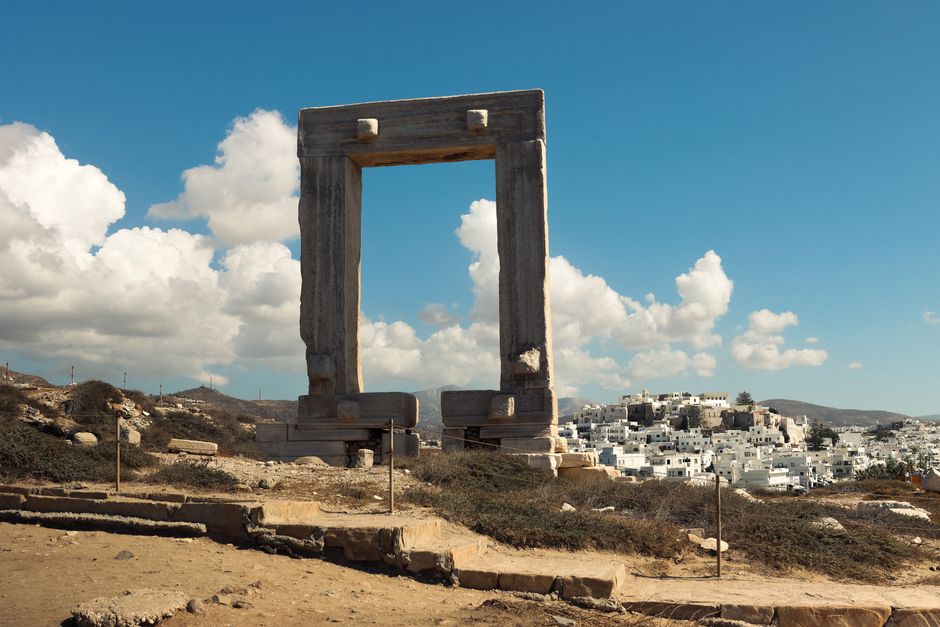
Photo by Efrem Efre on Pexels
This was the earliest of the three, centered on the Cycladic Islands in the Aegean. They're most famous for their distinctive marble figurines, often highly stylized and abstract, which are among the earliest examples of monumental sculpture. Their society was likely decentralized, with many small farming and fishing communities. They were also skilled seafarers and traders, connecting early Bronze Age cultures.
The Minoan Civilization (c. 2700-1450 BCE)

Photo by Gu Bra on Pexels
Flourishing on the island of Crete, the Minoans were a vibrant, sophisticated maritime power. They built elaborate palace complexes, like Knossos, which served as administrative, economic, and religious centers. Minoan art is characterized by vivid frescoes depicting nature, rituals, and daily life, as well as sophisticated pottery and metalwork. They developed a writing system called Linear A (still undeciphered) and seem to have had a peaceful, trade-oriented society, though evidence for a powerful navy exists. They exerted significant cultural influence over the mainland.
The Mycenaean Civilization (c. 1600-1100 BCE)

Photo by Kürşad Ç. on Pexels
Located on mainland Greece, the Mycenaeans were a warrior culture, building fortified citadels like Mycenae, Tiryns, and Pylos. They adopted and adapted many Minoan artistic and architectural ideas but infused them with their own militaristic ethos. They developed Linear B, a script derived from Linear A, which we now know is an early form of Greek. Mycenaean society was hierarchical, ruled by powerful kings (wanax). They eventually conquered Crete and dominated the Aegean before their sudden collapse around 1100 BCE, ushering in the Greek Dark Ages.
Here's how these civilizations are related chronologically and geographically:
graph TD
    A["Early Bronze Age (3000-2000 BCE)"] --> B["Cycladic Civilization (Cycladic Islands)"]
    B --> C["Middle Bronze Age (2000-1600 BCE)"]
    C --> D["Minoan Civilization (Crete)"]
    C --> E["Early Mycenaean Culture (Mainland Greece)"]
    D --> F["Late Bronze Age (1600-1100 BCE)"]
    E --> F
    F --> G["Mycenaean Civilization (Mainland & Crete post-Minoan decline)"]
    G --> H["Collapse & Greek Dark Ages (c. 1100 BCE)"]
3. Worked Example
Imagine you're an archaeologist finding artifacts. If you unearth a delicate pottery shard with an octopus motif from a sprawling, unfortified complex on Crete, you'd likely attribute it to the Minoan Civilization. If you found a golden death mask and weapons inside a massive, heavily fortified citadel on mainland Greece, featuring a script that looked like early Greek, you'd be looking at Mycenaean remains. Finally, a small, stylized marble female figure from a grave on an Aegean island would point to the Cycladic Civilization. The context—location, architectural style, artistic motifs, and presence/absence of fortifications—is key to distinguishing them.
4. Key Takeaways
- The Aegean Civilizations (Cycladic, Minoan, Mycenaean) predate classical Greek society.
- The Cycladic culture was known for early marble figurines and sea trade.
- Minoans on Crete built grand, unfortified palaces and created vibrant, naturalistic art.
- Mycenaeans on mainland Greece were militaristic, building fortified citadels and using an early form of Greek (Linear B).
- There was significant cultural exchange and influence between these civilizations.
-
Their collapse marked the end of the Bronze Age in the Aegean and led to a "Dark Age."
-
Common Mistakes:
- Don't confuse the Minoans with the Mycenaeans; remember "Minoan = Crete, palaces, peaceful art" and "Mycenaean = Mainland, fortifications, warrior kings."
- Avoid thinking of them as completely separate; they interacted and influenced each other.
- Don't assume all early Greek history starts with Athens and Sparta; these Bronze Age cultures came much earlier.
- Don't assume Linear A and Linear B are the same or equally understood; only Linear B is deciphered and recognized as Greek.
5. Now Try It
Review the three civilizations. For each, jot down one unique artistic characteristic, one unique architectural feature, and one key aspect of their political/social structure. Then, consider how the geographical location (island vs. mainland) might have influenced these characteristics. What success looks like: You can clearly articulate distinct features for each without mixing them up.
Frequently asked about Introduction to Aegean Civilizations
Study this next
Get the full History curriculum
Clone the complete plan to your dashboard for unlimited AI-generated notes, practice quizzes, and a personalised revision schedule.
Create Free Account