Introduction to Early Civilizations and Mesopotamia
From the World history curriculum
Introduction to Early Civilizations and Mesopotamia
TL;DR
Early civilizations emerged when humans transitioned from nomadic life to settled farming, leading to larger, more complex societies. Mesopotamia, often called the "Cradle of Civilization," was a key region where many foundational elements of civilization first appeared. Understanding these early societies helps us see how modern life began to take shape.
1. The Mental Model
Imagine a small group of people who used to wander around hunting and gathering food. Now, picture them discovering how to grow crops and raise animals in one spot. This shift fundamentally changed everything, allowing for permanent settlements, specialized jobs, and the development of complex social structures.
2. The Core Material
From Nomads to Settlements: The Agricultural Revolution
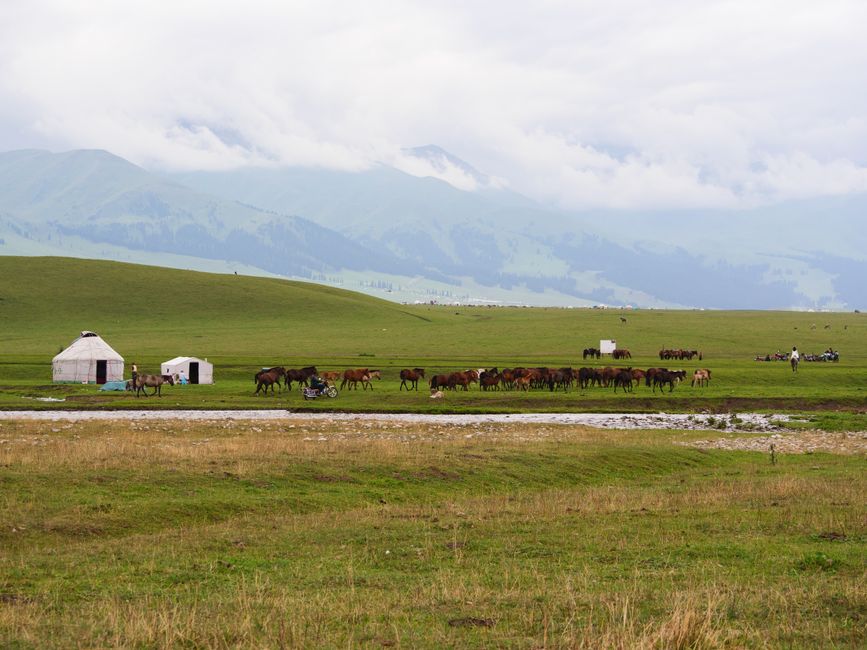
Photo by Rain Lü on Pexels
For most of human history, people lived as hunter-gatherers, constantly moving to find food. Around 10,000 BCE, a monumental change occurred: the Agricultural Revolution. People learned to cultivate plants (like wheat and barley) and domesticate animals (like goats and sheep). This meant they could produce their own food reliably, leading to:
- Permanent Settlements: No need to move; people could build homes and stay put.
- Population Growth: More food meant more people could be supported.
- Food Surpluses: Producing more food than immediately needed allowed for storage and trade.
What Makes a Civilization?

Photo by Ann H on Pexels
As these settlements grew, they developed characteristics that historians use to define a "civilization." These include:
- Large Cities: Centers of population, trade, and governance.
- Specialized Workers: Not everyone had to farm; some became artisans, priests, soldiers, or scribes.
- Complex Institutions: Organized government, formal religion, and established economic systems.
- Record Keeping: Methods for writing down laws, history, and economic transactions.
- Advanced Technology: Innovations like irrigation systems, the wheel, and metal tools.
Mesopotamia: The Cradle of Civilization
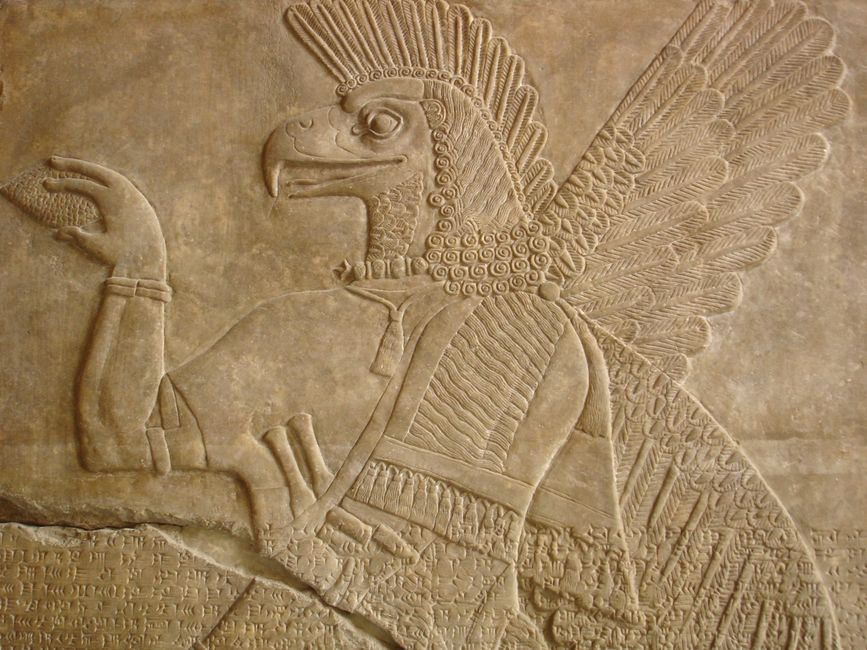
Photo by JP Nunes on Pexels
Mesopotamia (meaning "land between the rivers") is located in modern-day Iraq, nestled between the Tigris and Euphrates Rivers. Its fertile land, due to river flooding, made it ideal for agriculture. Here, some of the earliest and most influential civilizations emerged.
graph TD
    A["Hunter-Gatherer Lifestyle"] --> B["Discovery of Agriculture (e.g., farming, domestication)"];
    B --> C["Food Surpluses"];
    C --> D["Permanent Settlements"];
    D --> E["Population Growth"];
    E --> F["Specialized Labor"];
    F --> G["Development of Complex Institutions (e.g., government, religion)"];
    G --> H["Need for Record Keeping (e.g., writing)"];
    H --> I["Emergence of Advanced Technology"];
    I --> J["Rise of Cities"];
    J --> K["Formation of Early Civilizations"];
Key Mesopotamian Civilizations and Their Contributions:

Photo by Rose TheGuide on Pexels
- Sumerians (c. 4500-1900 BCE):
- Developed the first known writing system, cuneiform.
- Invented the wheel, the plow, and sophisticated irrigation systems.
- Built large temple-towers called ziggurats.
- Organized into independent city-states (like Ur, Uruk, Lagash).
- Akkadians (c. 2334-2154 BCE):
- Led by Sargon of Akkad, they created the world's first empire by conquering Sumerian city-states.
- Spread Mesopotamian culture and ideas.
- Babylonians (c. 1894-1595 BCE, and later Neo-Babylonian Empire c. 626-539 BCE):
- Most famous ruler: Hammurabi, known for his comprehensive law code, the Code of Hammurabi ("an eye for an eye").
- Made significant advances in astronomy and mathematics.
- Assyrians (c. 2500-609 BCE, especially Neo-Assyrian Empire c. 911-609 BCE):
- Known for their powerful and well-organized military.
- Established a vast empire through conquest.
- Built impressive palaces and libraries (like Ashurbanipal's library).
3. Worked Example
Let's look at a key aspect of Mesopotamian innovation: writing. Before cuneiform, people might have used simple tokens or pictures. The Sumerians developed cuneiform around 3200 BCE. Initially, it used pictograms (pictures representing objects). Over time, these pictograms evolved into wedge-shaped marks pressed into clay tablets using a stylus.
For instance, the symbol for "head" might have started as a drawing of a head. Over centuries, it became more abstract, eventually looking like a series of wedges. Similarly, a symbol for "water" eventually represented the sound "a" or "e". This phonetic element made cuneiform incredibly versatile, allowing scribes to record not just objects, but also abstract ideas, laws, and literature, like the Epic of Gilgamesh. This transition from simple pictures to a complex system of sounds and concepts was crucial for administration, trade, and sharing knowledge.
4. Key Takeaways
- The Agricultural Revolution was the pivotal moment that allowed for permanent settlements and the rise of civilization.
- Early civilizations are defined by characteristics like cities, specialized labor, complex institutions, record-keeping, and advanced technology.
- Mesopotamia, located between the Tigris and Euphrates rivers, was a foundational region for early civilizations.
- Sumerians developed the first known writing system (cuneiform) and essential inventions like the wheel and plow.
- Key Mesopotamian empires (Akkadian, Babylonian, Assyrian) built upon these foundations, creating vast states and law codes.
- Hammurabi's Code is an early example of comprehensive written laws, demonstrating principles like "an eye for an eye."
- The shift from hunter-gatherer to settled agricultural life led to significant population growth and societal complexity.
5. Now Try It
Imagine you are an early Mesopotamian leader. Your settlement is growing, and you need to organize your community. For 15 minutes, jot down three major challenges you would face (e.g., managing food, resolving disputes, building infrastructure) and for each, describe one specific invention or social structure from early Mesopotamia that could help you address it. Success means clearly linking a challenge to a relevant Mesopotamian solution.
Frequently asked about Introduction to Early Civilizations and Mesopotamia
Study this next
Get the full World history curriculum
Clone the complete plan to your dashboard for unlimited AI-generated notes, practice quizzes, and a personalised revision schedule.
Create Free Account