Energy in Chemical Reactions: Activation Energy
From the chemical reactions (chemistry in biology) curriculum
Energy in Chemical Reactions: Activation Energy
TL;DR
Chemical reactions need an initial energy push, called activation energy, to get started. This energy breaks existing bonds and lets new ones form. Understanding activation energy helps explain why some reactions happen quickly and others need a boost.
1. The Mental Model
Imagine pushing a ball up a small hill before it can roll down into a valley. The push you give it to get over the hill is like activation energy. Once over, the ball rolls on its own.
2. The Core Material
Chemical reactions involve breaking old bonds and forming new ones. This bond breaking requires energy input. Activation energy (Ea) is the minimum amount of energy needed to start a chemical reaction. Think of it as the "energy barrier" reactants must overcome to transform into products.
When molecules collide, they don't always react. They need to collide with enough energy and in the correct orientation. Only collisions that meet or exceed the activation energy will lead to a reaction.
2.1 How Activation Energy Works

Photo by Ann H on Pexels
During a reaction, reactants temporarily form an unstable, high-energy state called the transition state or activated complex. This state exists at the peak of the activation energy barrier. Once the reactants reach this state, they can then rearrange their atoms to form products, releasing energy as new, more stable bonds are made.
The difference in energy between the reactants and the transition state is the activation energy. The overall energy change of the reaction (whether it releases or absorbs energy) is a separate concept from the activation energy.
Here's how energy changes during a reaction:
graph TD
    A["Reactants"] --> B["Transition State (Activated Complex)"]
    B --> C["Products"]

    subgraph Energy Changes
        R["Energy Level of Reactants"] -- "Activation Energy (Ea)" --> TS["Energy Level of Transition State"]
        TS -- "Energy Released (or absorbed)" --> P["Energy Level of Products"]
    end

    style R fill:#add8e6,stroke:#333,stroke-width:2px
    style TS fill:#ffcccc,stroke:#333,stroke-width:2px
    style P fill:#90ee90,stroke:#333,stroke-width:2px
- Exergonic reactions (like burning wood) release energy overall. The products have lower energy than the reactants, but they still need activation energy to start.
- Endergonic reactions (like photosynthesis) absorb energy overall. The products have higher energy than the reactants, and they also need activation energy.
2.2 Factors Affecting Reaction Rate
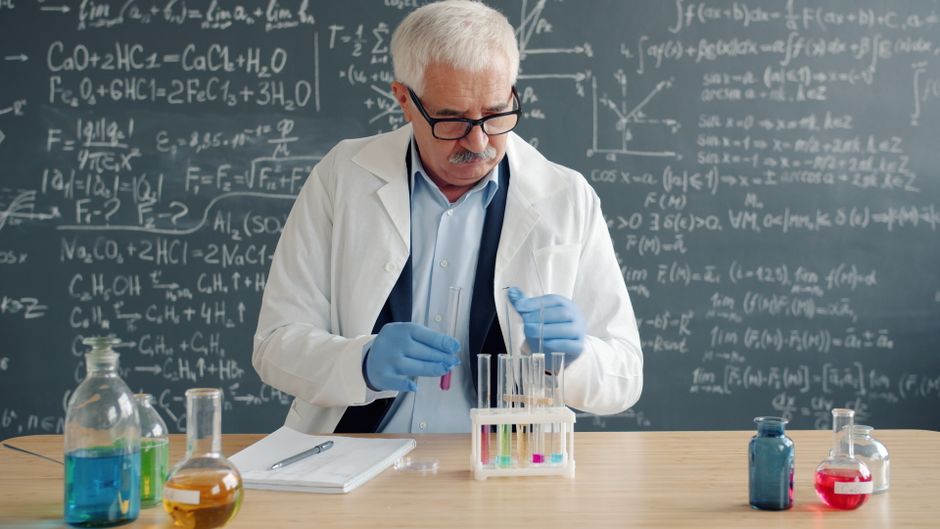
Photo by Vitaly Gariev on Pexels
Activation energy directly influences how fast a reaction proceeds. A lower activation energy means more reactant molecules will have enough energy to react, leading to a faster reaction rate.
Catalysts are substances that speed up reactions by lowering the activation energy without being consumed in the reaction themselves. They provide an alternative reaction pathway with a lower energy barrier. Enzymes are biological catalysts essential for life.
3. Worked Example
Let's consider a simple chemical reaction: Hydrogen gas (H₂) reacting with Oxygen gas (O₂) to form water (H₂O).
2H₂ + O₂ → 2H₂O
This reaction is highly exergonic; it releases a lot of energy (it's explosive!). However, you can mix hydrogen and oxygen together at room temperature, and nothing happens quickly. Why?
Because the activation energy for this reaction is quite high. You need to break the strong H-H and O=O bonds first. To overcome this barrier, you need an initial energy input, like a spark or a flame. The spark provides enough energy for some H₂ and O₂ molecules to reach the transition state. Once they react and form water, the energy released from forming H-O bonds is enough to provide the activation energy for other H₂ and O₂ molecules, leading to a rapid, self-sustaining reaction (an explosion!).
If you introduce a catalyst (like finely divided platinum), it provides a surface where the H₂ and O₂ molecules can adsorb and their bonds weaken, effectively lowering the activation energy and allowing the reaction to proceed at a noticeable rate even at room temperature.
4. Key Takeaways
- Activation energy is the minimum energy needed to start a chemical reaction.
- It represents an energy barrier that reactants must overcome to form products.
- Reaching a high-energy transition state is necessary to get past the activation energy barrier.
- A lower activation energy generally means a faster reaction rate.
-
Catalysts speed up reactions by providing an alternative pathway with lower activation energy.
-
Common Mistakes to Avoid:
- Don't confuse activation energy with the overall energy change of a reaction (exergonic vs. endergonic). They are related but distinct concepts.
- Don't think that a reaction with high activation energy will never happen; it just needs more initial energy or a catalyst.
- Don't assume catalysts are consumed in the reaction; they are regenerated.
- Don't forget that molecular orientation also plays a role, not just energy.
5. Now Try It
Think about cooking. Many food reactions (like baking a cake or frying an egg) don't happen at room temperature, but they do when you add heat. For a specific example, consider baking bread.
- Identify the "reactants" in bread baking (e.g., yeast, sugars, flour).
- Explain why you need to put dough in a hot oven for it to become bread, relating it to the concept of activation energy.
- What would happen if you tried to bake bread at room temperature?
Success looks like you correctly identifying the need for heat as the source of activation energy to drive the chemical reactions that transform raw dough into cooked bread, explaining why cold dough doesn't "bake."
Frequently asked about Energy in Chemical Reactions: Activation Energy
Study this next
Get the full chemical reactions (chemistry in biology) curriculum
Clone the complete plan to your dashboard for unlimited AI-generated notes, practice quizzes, and a personalised revision schedule.
Create Free Account