Application of Chemical Reactions in Biology
From the chemical reactions (chemistry in biology) curriculum
Application of Chemical Reactions in Biology
TL;DR
Chemical reactions are the fundamental processes driving all life, from breaking down food to building complex molecules. You'll see how these reactions are carefully controlled within living systems to maintain health and function. Understanding these reactions helps explain everything from digestion to how medicines work.
1. The Mental Model
Think of your body as a tiny, incredibly efficient chemical factory. Every single thing it does, from blinking to running, involves chemical reactions converting one substance into another. These reactions are constantly happening, fueled by energy and precisely managed by biological catalysts.
2. The Core Material
In biology, chemical reactions are essential for life. They allow organisms to grow, reproduce, respond to their environment, and maintain their internal balance (homeostasis). These reactions don't just happen randomly; they're highly organized and controlled.
Metabolism: The Sum of All Reactions

Photo by Alonso Ramírez on Pexels
Metabolism is the term for all the chemical reactions that occur within an organism to maintain life. It's broadly divided into two types:
- Catabolism: Breaking down complex molecules into simpler ones, usually releasing energy. Think of digesting your food – large proteins, fats, and carbohydrates are broken into smaller units your body can use.
- Anabolism: Building complex molecules from simpler ones, which usually requires energy input. This is how your body grows, repairs tissues, and stores energy. For instance, building muscle proteins from amino acids.
These two processes are constantly balancing each other out, like two sides of a coin.
Enzymes: Nature's Catalysts
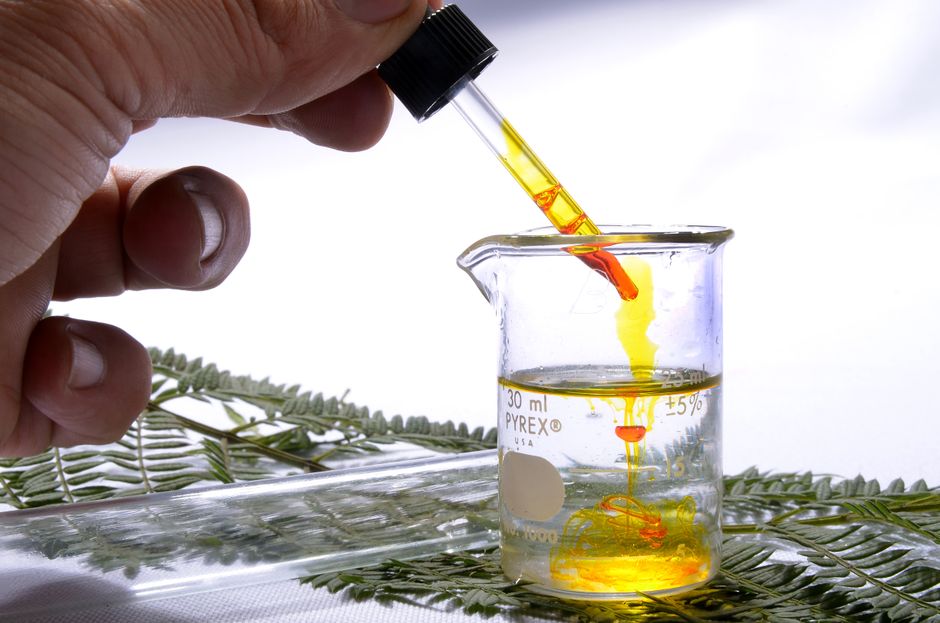
Photo by Jorge Sepúlveda on Pexels
Most biological reactions wouldn't happen fast enough at body temperature without help. That's where enzymes come in. Enzymes are proteins that act as biological catalysts; they speed up chemical reactions without being used up themselves. They do this by lowering the activation energy required for the reaction to occur.
Each enzyme is highly specific, meaning it typically acts on only one or a few specific molecules, called substrates. Think of it like a lock and key – only the right key (enzyme) fits the right lock (substrate) to open (start) the reaction.
graph TD
    A["Food (Complex Molecules)"] --> B{{"Catabolism (e.g., Digestion)"}}
    B --> C["Simple Molecules (e.g., Glucose, Amino Acids)"]
    C --> D{{"Anabolism (e.g., Protein Synthesis)"}}
    D --> E["Complex Molecules (e.g., Muscle Protein)"]
    B -- "Releases Energy" --> F["ATP (Energy Currency)"]
    F -- "Powers" --> D
    E -- "Can be broken down again" --> A
    B -- "Catalyzed by Enzymes" --> C
    D -- "Catalyzed by Enzymes" --> E
Energy Flow: ATP

Photo by Damir K on Pexels
Adenosine triphosphate (ATP) is the main energy currency of the cell. Catabolic reactions release energy, which is then used to produce ATP. Anabolic reactions then use the energy stored in ATP to build molecules. It's like charging a battery (making ATP) and then using that battery to power other processes.
Examples in Action

Photo by Polina ⠀ on Pexels
- Digestion: Enzymes like amylase break down starches, proteases break down proteins, and lipases break down fats. This is catabolism.
- Photosynthesis: Plants use light energy to convert carbon dioxide and water into glucose (sugar) and oxygen. This is a massive anabolic process.
- Cellular Respiration: Glucose and oxygen are converted into carbon dioxide, water, and ATP. This is a crucial catabolic process for energy production.
- DNA Replication: Enzymes like DNA polymerase build new DNA strands from existing ones, essential for cell division. This is an anabolic process.
3. Worked Example
Let's consider how you digest a piece of bread. Bread is mostly starch, a complex carbohydrate.
- When you chew, the enzyme salivary amylase (produced in your saliva) starts to break down the starch into smaller sugar molecules like maltose. This is a catabolic reaction.
- In your stomach, the acidic environment inactivates salivary amylase, but other enzymes take over in the small intestine.
- Pancreatic amylase continues breaking down starch into maltose.
- Then, another enzyme, maltase, breaks down maltose into two glucose molecules.
- These glucose molecules are now small enough to be absorbed into your bloodstream and transported to your cells.
- Inside your cells, glucose undergoes cellular respiration (a series of catabolic reactions involving many enzymes) to produce ATP, which powers all your cellular activities.
This entire process is a carefully orchestrated series of chemical reactions, each catalyzed by specific enzymes, demonstrating how your body extracts energy from food.
4. Key Takeaways
- Chemical reactions are fundamental to all biological processes, enabling life functions.
- Metabolism encompasses catabolism (breaking down, releasing energy) and anabolism (building up, requiring energy).
- Enzymes are highly specific biological catalysts that speed up reactions by lowering activation energy.
- ATP acts as the primary energy carrier, linking energy-releasing and energy-consuming reactions.
- Biological reactions are tightly regulated, often in pathways, ensuring efficiency and control.
Common Mistakes to Avoid:
- Confusing catabolism and anabolism; remember "catastrophe" (breaking down) for catabolism.
- Thinking enzymes are consumed in reactions; they are regenerated and reused.
- Underestimating the role of ATP; it's the immediate fuel source for most cellular work.
- Believing biological reactions happen spontaneously at useful rates without enzymes.
5. Now Try It
Think about how a cut on your skin heals. List at least three specific chemical reactions (or types of reactions) that would need to occur for the wound to close and new tissue to form. For each reaction, describe whether it's primarily catabolic or anabolic, and what role enzymes might play. What would success look like? You'd have a scar or fully healed skin, representing the successful completion of these biological chemical processes.
Frequently asked about Application of Chemical Reactions in Biology
Study this next
Get the full chemical reactions (chemistry in biology) curriculum
Clone the complete plan to your dashboard for unlimited AI-generated notes, practice quizzes, and a personalised revision schedule.
Create Free Account