intermediate

Chemical Reactions — Introduction to Chemical Reactions + 5 more topics

Comprehensive AI-generated study curriculum with 7 detailed note modules.

0 students cloned 4 views 7 notes

Course Syllabus

  1. Introduction to Chemical Reactions
  2. Chemical Equations and Stoichiometry
  3. Energy in Chemical Reactions: Activation Energy
  4. Energy Changes in Chemical Reactions: Exo- and Endothermic Processes
  5. Enzymes as Biological Catalysts (Implicit from Focus Question)
  6. Application of Chemical Reactions in Biology

Study Notes

Introduction to Chemical Reactions

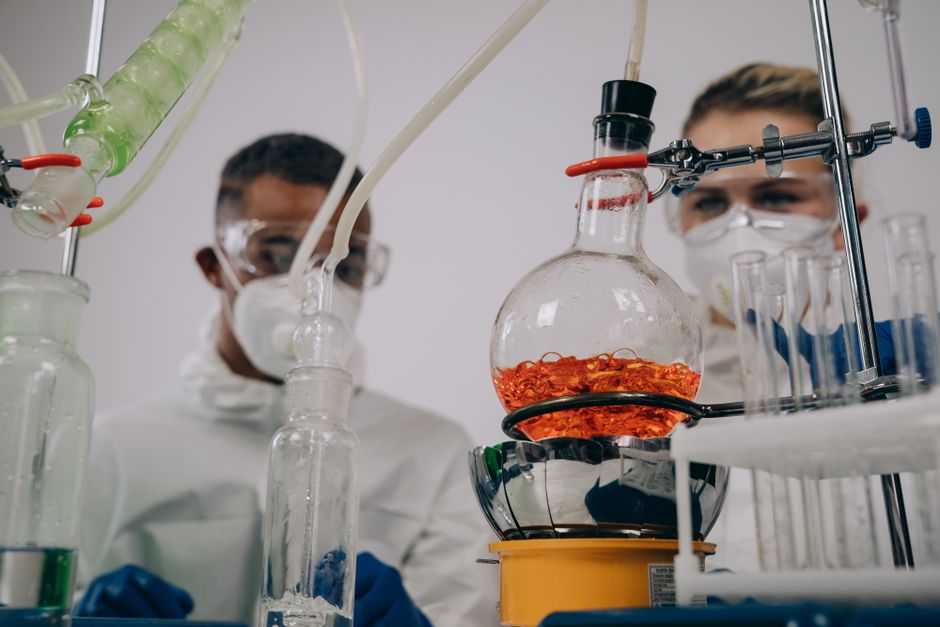
Chemical reactions are fundamental to everything from cooking to how your body works. They're essentially processes where one or more substances, called reactants, are transformed into different substances, called products. This transformation involves breaking existing chemical bonds and forming new ones.

Read full note →

Energy in Chemical Reactions: Activation Energy

Chemical reactions involve breaking old bonds and forming new ones. This bond breaking requires energy input. Activation energy (Ea) is the minimum amount of energy needed to start a chemical reaction. Think of it as the "energy barrier" reactants must overcome to transform into products.

When molecules collide, they don't always react. They need to collide with enough energy and in the correct orientation. Only collisions that meet or exceed the activation energy will lead to a reaction.

Read full note →

Enzymes as Biological Catalysts (Implicit from Focus Question)

What does "speed up" really mean here? Every chemical reaction needs a certain amount of energy to get started – this is called activation energy. Imagine pushing a boulder up a hill; the top of the hill is the activation energy. Once it's over, it rolls down by itself. Enzymes essentially dig a tunnel through the hill, making it much easier to get the boulder to the other side. They don't change where the boulder starts or ends up, just how much effort it takes to get there.

Read full note →