Solar Energy Technologies
From the End of Science -- Chemistry/renewable/sustainability/energy curriculum
Solar Energy Technologies
TL;DR
Solar energy technologies capture sunlight and convert it into usable electricity or heat, offering a clean and sustainable power source. You'll primarily encounter two types: photovoltaics (PV) that make electricity, and solar thermal systems that produce heat. Both technologies are crucial for reducing our reliance on fossil fuels and combating climate change.
1. The Mental Model
Think of solar energy like a plant. It takes energy directly from the sun and changes it into something useful for us, either electricity to power your devices or heat to warm your water. It's about harnessing a constant, free energy source.
2. The Core Material
Solar energy is all about converting the sun's abundant radiation into useful forms of energy. There are two main categories you'll focus on: Photovoltaic (PV) systems and Solar Thermal systems.
2.1 Photovoltaic (PV) Systems
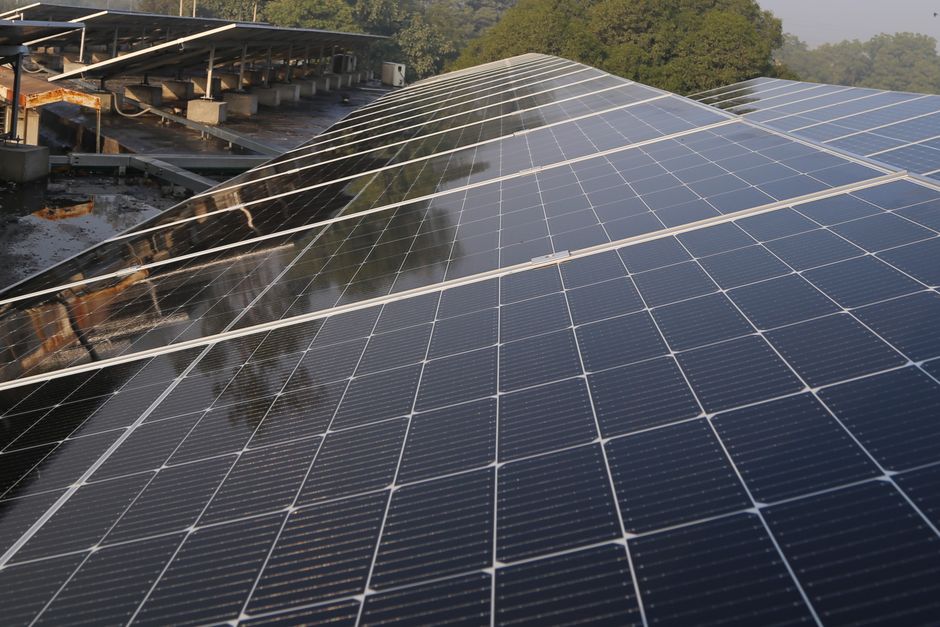
Photo by Jamshaid Anwar on Pexels
PV systems, often called solar panels, directly convert sunlight into electricity using the photovoltaic effect.
- How it works: When sunlight (photons) hits certain semiconductor materials, like silicon, it knocks electrons loose. These free electrons then flow to create an electric current.
- Components:
- Solar Cells: The basic unit, usually made of silicon.
- Solar Panels (Modules): Multiple cells wired together.
- Arrays: Multiple panels connected to produce more power.
- Inverter: Converts the direct current (DC) produced by panels into alternating current (AC) used in homes and grids.
- Mounting Structure: Holds the panels in place, often on roofs or ground.
- Battery Storage (Optional): Stores excess electricity for use when the sun isn't shining.
2.2 Solar Thermal Systems
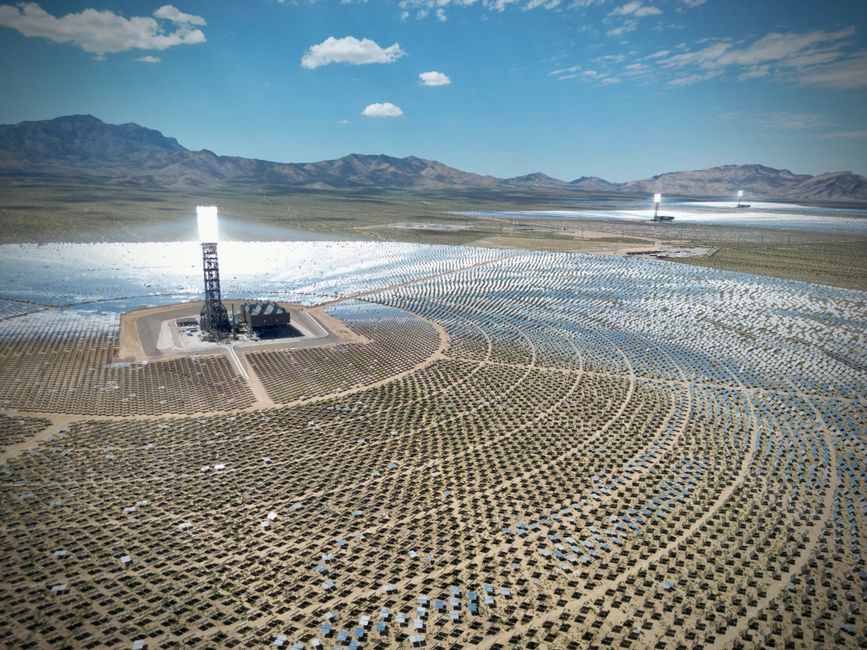
Photo by James Guetschow on Pexels
Solar thermal systems convert sunlight into heat, which can then be used directly or to generate electricity.
- How it works: These systems use collectors to absorb sunlight and heat a fluid (like water or a special antifreeze solution).
- Types of Solar Thermal Systems:
- Solar Water Heaters (SWH): Heat water for domestic use.
- Flat-Plate Collectors: Darkened metal plates under glass that absorb heat and transfer it to water flowing through tubes.
- Evacuated Tube Collectors: More efficient, using vacuum-sealed glass tubes to minimize heat loss, especially in colder climates.
- Concentrated Solar Power (CSP): Large-scale systems that use mirrors to concentrate sunlight onto a small area to generate very high temperatures. This heat is then used to boil water, create steam, and drive a turbine to produce electricity, similar to a traditional power plant.
- Parabolic Troughs: Curved mirrors focus sunlight onto a receiver tube.
- Solar Power Towers: A field of mirrors (heliostats) tracks the sun and reflects its light onto a central receiver at the top of a tower.
- Solar Water Heaters (SWH): Heat water for domestic use.
2.3 Key Considerations for Solar

Photo by Trinh Trần on Pexels
Regardless of the technology, several factors influence performance:
- Irradiance: The amount of solar radiation hitting a surface. This varies by location, time of day, and season.
- Shading: Any obstruction blocking sunlight reduces efficiency.
- Panel/Collector Orientation and Tilt: Optimizing these maximizes energy capture.
- Temperature: While PV panels need sunlight, very high temperatures can actually slightly reduce their electrical output efficiency. Solar thermal systems, however, want heat.
graph TD
    A["Sunlight (Photons)"] --> B{"Solar Energy Technology"};

    B --> C["Photovoltaic (PV) Systems"];
    B --> D["Solar Thermal Systems"];

    C --> E["Solar Cells (Semiconductors)"];
    E --> F["DC Electricity"];
    F --> G["Inverter"];
    G --> H["AC Electricity (Grid/Home)"];
    F --> I["Battery Storage (Optional)"];

    D --> J["Solar Collectors"];
    J --> K{"Heated Fluid"};
    K --> L["Direct Heat Use (e.g., Hot Water)"];
    K --> M["Heat Exchanger"];
    M --> N["Steam Turbine (for Electricity)"];
    N --> O["Generator"];
    O --> H;
3. Worked Example
Let's say you have a single standard residential solar panel rated at 400 watts (W). This is its peak power output under ideal conditions (Standard Test Conditions - STC).
On an average sunny day, your panel might operate at about 75% of its peak power due to real-world factors like temperature, slight shading, and less-than-perfect sun angle. So, its effective power output is:
400 W * 0.75 = 300 W
Now, let's assume this panel receives effective sunlight for an average of 5 hours per day. The daily energy production would be:
300 W * 5 hours/day = 1500 Watt-hours (Wh) per day
To convert this to kilowatt-hours (kWh), which is how electricity is usually billed:
1500 Wh / 1000 = 1.5 kWh per day
If you wanted to power a small appliance that uses 100 W continuously for 15 hours, you'd need:
100 W * 15 hours = 1500 Wh = 1.5 kWh
So, this single panel on an average day could just about cover the energy needs of that appliance for 15 hours. If you had 10 such panels, you'd generate 15 kWh/day, significantly contributing to your home's electricity needs.
4. Key Takeaways
- PV systems convert sunlight directly into electricity using semiconductors, while solar thermal systems convert sunlight into heat.
- PV panels generate DC electricity, which needs an inverter to become AC for home use or grid connection.
- Solar water heaters are a common type of solar thermal system for domestic hot water.
- Concentrated Solar Power (CSP) uses mirrors to focus sunlight to create high temperatures, driving turbines for electricity generation.
- The amount of solar radiation, shading, and panel orientation significantly impact the efficiency of any solar installation.
-
Solar energy is a clean, renewable resource that reduces greenhouse gas emissions.
-
Common mistakes you should avoid:
- Assuming solar panels work perfectly under all conditions (STC ratings are ideal, not typical).
- Neglecting the importance of the inverter in a PV system; it's a critical component.
- Thinking solar thermal only generates electricity; it's often used directly for heating.
- Underestimating the impact of shading on PV system performance.
- Forgetting that cleaning and maintenance are important for optimal output.
5. Now Try It
Imagine you live in an area with an average of 4.5 "peak sun hours" per day. You're considering installing a small PV system for your shed, which needs about 2 kWh of electricity daily. If the solar panels you choose are rated at 350 W each and operate at 70% efficiency in real-world conditions, calculate how many panels you would need to meet your shed's daily electricity demand. What would be the total peak power (in kW) of your installed system?
Frequently asked about Solar Energy Technologies
Study this next
Get the full End of Science -- Chemistry/renewable/sustainability/energy curriculum
Clone the complete plan to your dashboard for unlimited AI-generated notes, practice quizzes, and a personalised revision schedule.
Create Free Account