Fossil Fuels and Environmental Impact
From the End of Science -- Chemistry/renewable/sustainability/energy curriculum
Fossil Fuels and Environmental Impact
TL;DR
Fossil fuels, formed over millions of years, are our primary energy source but release greenhouse gases and pollutants when burned. This burning significantly contributes to climate change, ocean acidification, and air pollution. Understanding these impacts is crucial for moving towards sustainable energy solutions.
1. The Mental Model
Imagine Earth's ancient life getting compressed and cooked underground for eons. That's fossil fuel. When we dig it up and burn it, we're releasing ancient carbon, which is now warming our planet.
2. The Core Material
Fossil fuels — coal, oil (petroleum), and natural gas — are organic matter transformed by heat and pressure deep within the Earth's crust over millions of years. They're basically stored solar energy from ancient plants and organisms. We rely on them heavily for electricity, transportation, and industrial processes because they're energy-dense and relatively easy to extract (though that's changing).
How They Form

Photo by Dany Goldraij on Pexels
It starts with dead organisms falling to the bottom of oceans or lakes. Over time, sediment covers them, and they're subjected to immense pressure and heat. This process removes water and other impurities, leaving behind carbon-rich compounds.
What Happens When We Burn Them

Photo by Fritz Jaspers on Pexels
When fossil fuels burn, they react with oxygen, releasing energy (heat, light) and byproducts. The main byproducts that concern us environmentally are:
- Carbon Dioxide (CO2): The most significant greenhouse gas. It traps heat in the atmosphere.
- Methane (CH4): A potent greenhouse gas, often released during natural gas extraction and transport.
- Nitrogen Oxides (NOx): Contribute to smog and acid rain.
- Sulfur Dioxide (SO2): A major cause of acid rain and respiratory problems.
- Particulate Matter: Tiny airborne particles that can cause respiratory and cardiovascular issues.
Environmental Impacts
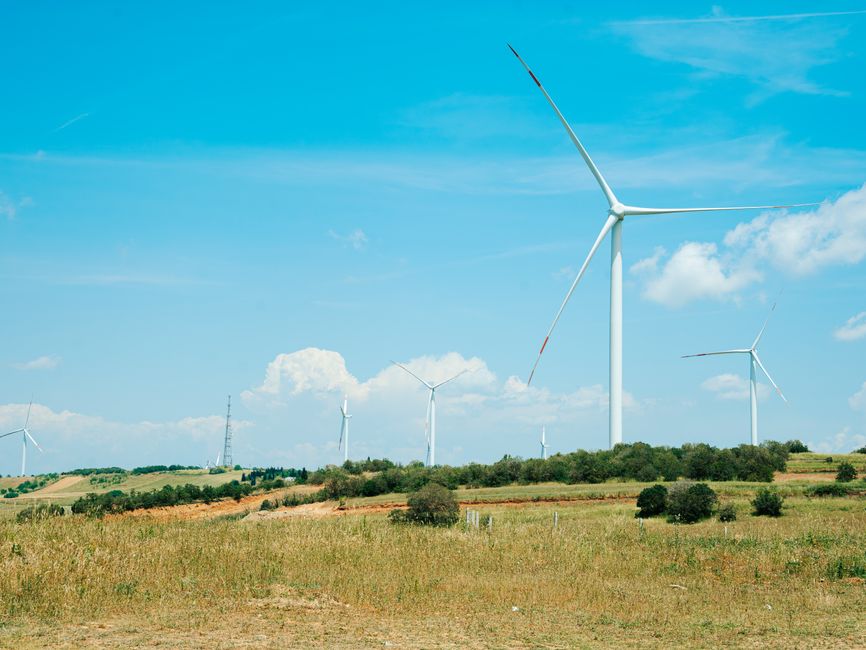
Photo by Memet Öz on Pexels
Burning fossil fuels leads to several major environmental problems:
- Climate Change: Increased greenhouse gases (CO2, CH4) in the atmosphere trap more heat, leading to global warming, more extreme weather events, sea-level rise, and ecosystem disruption.
- Ocean Acidification: Oceans absorb a significant amount of the CO2 we release. This CO2 reacts with water to form carbonic acid, making the oceans more acidic. This harms marine life, especially organisms with shells or skeletons.
- Air Pollution: NOx, SO2, and particulate matter create smog, reduce air quality, and contribute to respiratory illnesses, acid rain, and damage to vegetation and infrastructure.
- Habitat Destruction: Extraction processes (mining, drilling) can destroy habitats, contaminate water sources, and lead to land degradation.
Here's a simple flow of the cause and effect:
graph TD
    A["Fossil Fuel Extraction (Coal, Oil, Gas)"] --> B["Combustion (Burning for Energy)"]
    B --> C1["CO2 Emissions"]
    B --> C2["Methane Emissions (Leakage)"]
    B --> C3["NOx & SO2 Emissions"]
    B --> C4["Particulate Matter"]

    C1 --> D1["Increased Atmospheric CO2"]
    C2 --> D2["Increased Atmospheric Methane"]
    C3 --> D3["Smog & Acid Rain"]
    C4 --> D4["Air Quality Degradation"]

    D1 & D2 --> E1["Enhanced Greenhouse Effect"]
    D1 --> E2["Ocean Acidification"]

    E1 --> F1["Global Warming"]
    E1 --> F2["Extreme Weather Events"]
    E1 --> F3["Sea Level Rise"]
    E2 --> F4["Marine Life Impacts (e.g., Coral Bleaching)"]
    D3 --> F5["Respiratory Illnesses & Ecosystem Damage"]
    D4 --> F6["Respiratory & Cardiovascular Issues"]
3. Worked Example
Let's consider the carbon impact of a typical car. A gallon of gasoline, when burned, produces about 8,887 grams (or 8.89 kg) of CO2. If you drive a car that gets 25 miles per gallon and you drive 12,000 miles in a year:
- Gallons used per year: 12,000 miles / 25 miles/gallon = 480 gallons.
- Total CO2 emitted per year: 480 gallons * 8.89 kg CO2/gallon = 4,267.2 kg CO2.
That's over 4 metric tons of CO2 just from one car in one year. Multiply that by billions of vehicles and countless power plants, and you can see how the numbers quickly add up to massive global emissions.
4. Key Takeaways
- Fossil fuels (coal, oil, natural gas) are ancient organic matter providing much of our current energy.
- Burning fossil fuels releases greenhouse gases like CO2 and methane, along with pollutants like NOx and SO2.
- The primary environmental impact is climate change due to global warming from greenhouse gas accumulation.
- Oceans absorb CO2, leading to ocean acidification, which harms marine ecosystems.
- Air pollutants from combustion cause smog, acid rain, and respiratory health problems.
- Reducing our reliance on fossil fuels is critical for mitigating these widespread environmental damages.
- Even personal choices, like driving less, contribute to reducing CO2 emissions.
Common mistakes to avoid:
- Don't confuse CO2 with air pollutants like smog; while related to combustion, they have distinct impacts.
- Thinking that "clean natural gas" has no environmental impact – it still releases CO2 when burned and methane (a potent GHG) can leak during extraction/transport.
- Underestimating the time scales involved: fossil fuels take millions of years to form, but we're burning them in centuries.
- Assuming climate change is solely a future problem; many impacts are already visible and accelerating.
5. Now Try It
Research the carbon footprint of your home's electricity usage for one month. Find out what percentage of your local electricity grid comes from fossil fuels (you can usually find this on your utility provider's website or government energy statistics). Then, calculate how much CO2 your household is responsible for based only on that fossil fuel portion.
Success looks like: You can state your household's monthly CO2 emissions in kilograms (or tons) due to fossil fuel-generated electricity, and explain what percentage of your energy comes from those sources.
Frequently asked about Fossil Fuels and Environmental Impact
Study this next
Get the full End of Science -- Chemistry/renewable/sustainability/energy curriculum
Clone the complete plan to your dashboard for unlimited AI-generated notes, practice quizzes, and a personalised revision schedule.
Create Free Account