Fundamentals of Energy and Chemical Principles
From the End of Science -- Chemistry/renewable/sustainability/energy curriculum
Fundamentals of Energy and Chemical Principles
TL;DR
You'll learn that energy is a fundamental concept describing the ability to do work or cause change, existing in many forms that can convert from one to another. Chemical reactions are just energy transformations at the molecular level, releasing or requiring energy to form new substances. Understanding these principles helps us design sustainable solutions for energy and resources.
1. The Mental Model
Think of energy as the universe's currency; it can be traded and transformed but never created or destroyed. Chemical processes are simply how atoms and molecules "spend" or "earn" this currency to rearrange themselves into new forms.
2. The Core Material
What is Energy?
Photo by Ann H on Pexels
Energy is simply the capacity to do work or produce heat. It's not a substance you can hold, but rather a property that objects or systems possess. You encounter many forms of energy daily:
- Kinetic energy: Energy of motion (a moving car, flowing water).
- Potential energy: Stored energy due to position or state (a ball at the top of a hill, chemical bonds in fuel, a stretched rubber band).
- Thermal energy: Internal energy of a substance due to the movement of its atoms and molecules (heat).
- Chemical energy: Energy stored in the bonds between atoms and molecules. When bonds break and new ones form, this energy can be released or absorbed.
- Radiant energy: Energy that travels in waves or particles, like light or X-rays.
The Laws of Thermodynamics

Photo by Pixabay on Pexels
These are the universal rules governing energy:
- First Law of Thermodynamics (Conservation of Energy): Energy cannot be created or destroyed, only converted from one form to another. This means the total amount of energy in a closed system remains constant. If you burn wood, the chemical energy stored in the wood isn't destroyed; it transforms into heat and light energy.
- Second Law of Thermodynamics (Entropy): In any energy conversion, some energy is always lost to the surroundings as unusable heat, increasing the overall disorder (entropy) of the universe. This is why no energy conversion is 100% efficient; a perfectly efficient machine is impossible.
Chemical Reactions and Energy
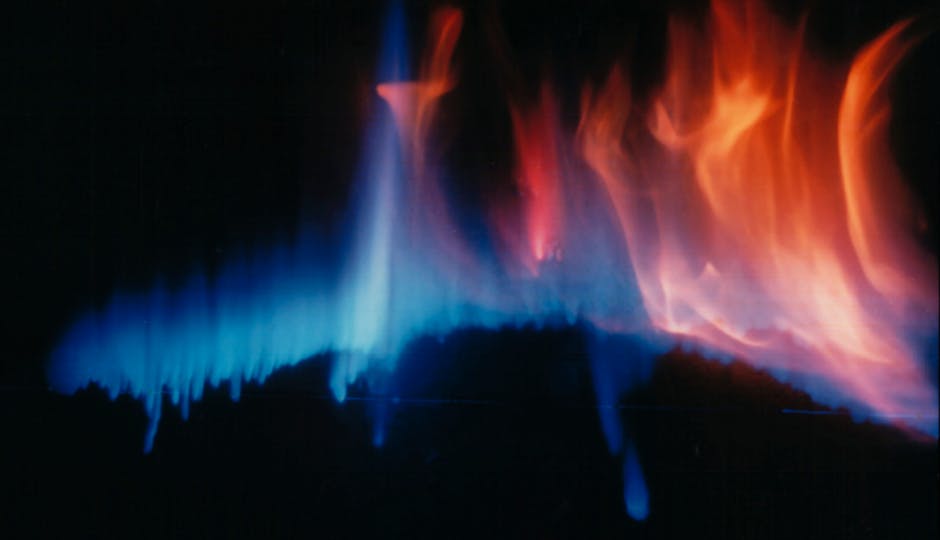
Photo by Adam spinos on Pexels
Chemical reactions involve breaking existing chemical bonds and forming new ones. This process always involves changes in energy.
- Exothermic reactions: Release energy, usually as heat or light. The products have lower chemical energy than the reactants. Think of burning a candle or a hand warmer.
- Endothermic reactions: Absorb energy from their surroundings, often causing a drop in temperature. The products have higher chemical energy than the reactants. An instant cold pack is a good example.
The energy change in a reaction (ΔH, or enthalpy change) tells you if a reaction is exothermic (ΔH is negative) or endothermic (ΔH is positive).
graph TD
    A["Initial State (Reactants)"] --> B{"Energy Change (ΔH)"}
    B -- "Energy Released (Exothermic)" --> C["Final State (Products)"]
    B -- "Energy Absorbed (Endothermic)" --> C
    C --> D["New Substances Formed"]

    style A fill:#cef,stroke:#333,stroke-width:2px
    style C fill:#fce,stroke:#333,stroke-width:2px
    style B fill:#fff,stroke:#000,stroke-dasharray: 5 5
Reaction Rates and Activation Energy

Photo by Ron Lach on Pexels
Even if a reaction releases a lot of energy, it might not happen spontaneously. Why doesn't wood just burst into flames? It needs a push, called activation energy. This is the minimum energy required to start a chemical reaction. A catalyst can lower the activation energy, speeding up a reaction without being consumed itself.
3. Worked Example
Imagine you're trying to figure out if burning methane (natural gas) is a good energy source. The chemical reaction is:
CH₄ (methane) + 2 O₂ (oxygen) → CO₂ (carbon dioxide) + 2 H₂O (water)
When you burn methane, you're breaking the chemical bonds in methane and oxygen molecules and forming new bonds in carbon dioxide and water. If you look up the standard enthalpy change (ΔH) for this reaction, you'll find it's approximately -890 kJ/mol.
The negative sign of ΔH tells you that this is an exothermic reaction. Energy is released during the burning process. This released energy is primarily in the form of heat, which is what you use to cook your food or heat your home. This confirms that methane burning is indeed an energy source, converting its stored chemical potential energy into useful thermal energy.
4. Key Takeaways
- Energy is the ability to do work and exists in various forms that can interconvert.
- The First Law of Thermodynamics states energy is conserved, never created or destroyed.
- The Second Law of Thermodynamics tells us that energy transformations always increase disorder (entropy) and are never 100% efficient.
- Chemical reactions involve breaking and forming bonds, either releasing (exothermic) or absorbing (endothermic) energy.
- Activation energy is the minimum energy needed to start a reaction, even if it's exothermic.
Common mistakes to avoid:
- Thinking energy gets "used up" – it just changes form.
- Believing we can create new energy; we can only transform existing energy.
- Assuming an exothermic reaction will happen instantly without any push (activation energy).
- Confusing heat (a form of energy transfer) with thermal energy (internal energy of a substance).
5. Now Try It
Think about a battery in your phone. Before you turn it on, what form of energy does it primarily store? When you use your phone to watch a video, describe the energy transformations that occur, from the battery to the screen and speakers. What forms of energy are being produced or used?
What to do:
1. Identify the primary energy form stored in a charged battery.
2. Trace the major energy conversions as you use your phone (e.g., from battery to processing, to screen, to sound).
3. For each conversion, name the initial and final energy forms.
What success looks like: You can clearly articulate the chain of energy transformations, showing how the stored energy in the battery eventually manifests as light, sound, and a bit of heat, demonstrating the conservation of energy.
Frequently asked about Fundamentals of Energy and Chemical Principles
Study this next
Get the full End of Science -- Chemistry/renewable/sustainability/energy curriculum
Clone the complete plan to your dashboard for unlimited AI-generated notes, practice quizzes, and a personalised revision schedule.
Create Free Account