Bioenergy and Hydrogen Economy
From the End of Science -- Chemistry/renewable/sustainability/energy curriculum
Bioenergy and Hydrogen Economy
TL;DR
Bioenergy uses organic matter for fuel, offering a renewable energy source but with sustainability concerns. The Hydrogen Economy proposes hydrogen as a clean energy carrier, produced from various sources, to replace fossil fuels. Both aim to reduce carbon emissions but face significant production, storage, and infrastructure challenges.
1. The Mental Model
Think of bioenergy as burning plants (or plant derivatives) instead of ancient fossil fuels, keeping the carbon cycle a bit more balanced. The hydrogen economy is like switching from gasoline cars to hydrogen fuel cell cars, using hydrogen as the new "fuel tank" for electricity.
2. The Core Material
We're looking at two big ideas for a greener energy future: bioenergy and the hydrogen economy. They both aim to cut down on greenhouse gas emissions, but they go about it in very different ways.
Bioenergy: Fuel from Life
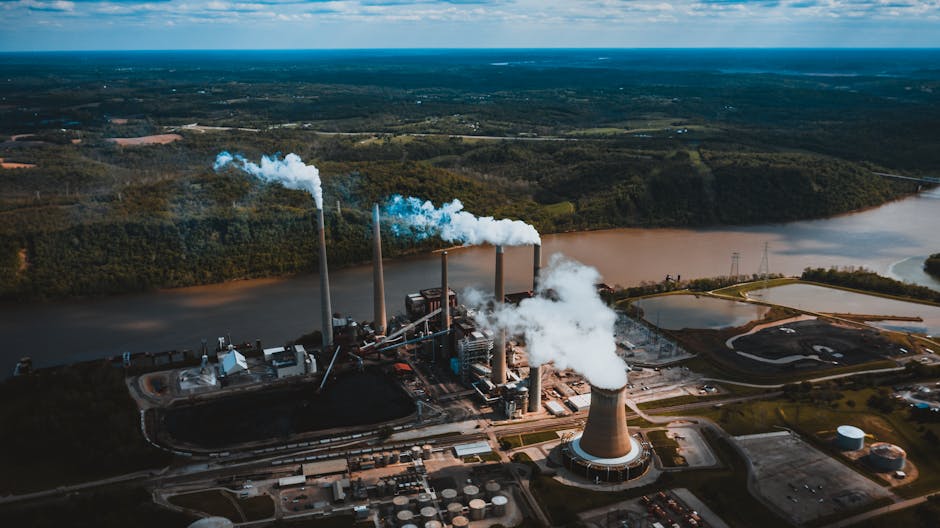
Photo by K on Pexels
Bioenergy is simply energy derived from biomass, which is any organic material that comes from plants or animals. This includes things like agricultural waste, forest residues, energy crops (plants grown specifically for energy), and even municipal solid waste.
The basic idea is that plants absorb carbon dioxide (CO2) as they grow. When we burn them for energy, they release that CO2. If we replant new ones, theoretically, the CO2 balance can be neutral over time. This is often called "carbon neutral," but it's more complex in reality due to land use, processing energy, and transport.
There are a few main ways to get energy from biomass:
- Direct Combustion: Burning biomass directly (like wood pellets) to produce heat or electricity.
- Biofuels: Converting biomass into liquid or gaseous fuels like ethanol (from corn or sugarcane) or biodiesel (from vegetable oils). These can power vehicles.
- Biogas/Biomethane: Decomposing organic matter in the absence of oxygen (anaerobic digestion) to produce methane, which can be used for heat, electricity, or as vehicle fuel.
The big upside is that biomass is a renewable resource. The big downsides are the land use required, potential impact on food prices, water consumption, and the fact that burning biomass still releases pollutants and CO2 (though ideally re-absorbed).
The Hydrogen Economy: A Clean Energy Carrier
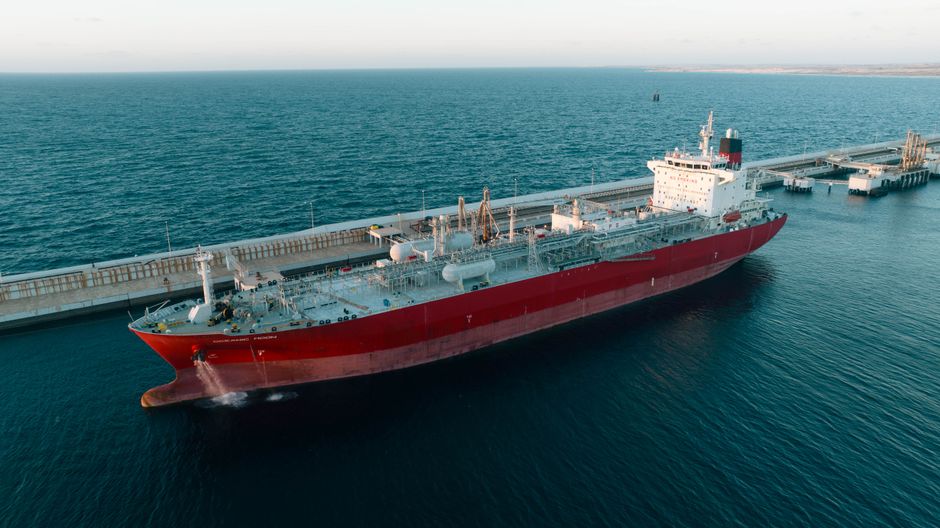
Photo by abdo alshreef on Pexels
The hydrogen economy envisions a future where hydrogen (H2) is a primary energy carrier, similar to how electricity is today. Instead of burning fossil fuels, we'd use hydrogen to generate electricity in fuel cells, or even burn it directly (though fuel cells are more efficient and cleaner).
Hydrogen itself isn't an energy source; it's an energy carrier. You have to put energy into hydrogen to produce it. The key is to produce it using renewable energy sources to make it truly "clean."
Here's how we typically classify hydrogen production:
- Grey Hydrogen: Produced from natural gas using a process called steam methane reforming (SMR). This releases CO2 into the atmosphere and is the most common method today.
- Blue Hydrogen: Also from natural gas (SMR), but with carbon capture and storage (CCS) technology used to trap the CO2 emissions. This significantly reduces its carbon footprint.
- Green Hydrogen: Produced by electrolysis (splitting water into hydrogen and oxygen) using renewable electricity (like solar or wind). This is the cleanest form, with virtually no greenhouse gas emissions.
- Pink Hydrogen: Produced by electrolysis using nuclear power.
- Turquoise Hydrogen: Produced from natural gas using methane pyrolysis, which creates solid carbon instead of CO2.
The advantages of hydrogen are its versatility (can power vehicles, heat homes, generate electricity), its high energy density by weight, and zero direct emissions when used in fuel cells (only water vapor is produced). The challenges include efficient and safe storage, transport infrastructure, and the energy cost of production, especially for green hydrogen.
Here's a simplified view of the hydrogen economy concept:
graph LR
    A["Renewable Energy (Solar, Wind)"] --> B{"Electrolysis"}
    B --> C["Green Hydrogen Production"]
    C --> D["Storage (Tanks, Underground)"]
    D --> E["Transport (Pipelines, Trucks)"]
    E --> F{"Uses"}
    F --> G["Fuel Cell Electric Vehicles (FCEVs)"]
    F --> H["Industrial Processes (Steel, Ammonia)"]
    F --> I["Power Generation (Fuel Cells, Turbines)"]
    J["Natural Gas"] --> K{"Steam Methane Reforming (SMR)"}
    K --> L["Grey Hydrogen"]
    L --> D
    K -- "with CCS" --> M["Blue Hydrogen"]
    M --> D
Challenges and the Future

Photo by Polina Tankilevitch on Pexels
Both bioenergy and the hydrogen economy face significant hurdles. For bioenergy, it's about sustainable land management, ensuring it doesn't compete with food production, and minimizing the lifecycle carbon footprint. For hydrogen, it's about scaling up green production, building robust storage and distribution infrastructure, and reducing costs to make it competitive with existing fuels. Both are critical pieces of the puzzle for a sustainable energy future, likely playing complementary roles.
3. Worked Example
Let's say a power plant wants to switch from burning coal to using biomass pellets for electricity generation.
Current State (Coal):
A typical coal-fired power plant burns 1,000,000 tonnes of coal per year. Burning one tonne of coal releases about 2.5 tonnes of CO2.
Total CO2 from coal = 1,000,000 tonnes * 2.5 tonnes CO2/tonne coal = 2,500,000 tonnes CO2 per year.
Proposed State (Biomass Pellets):
To generate the same amount of electricity, you might need around 1,500,000 tonnes of wood pellets annually (wood has lower energy density than coal).
When these pellets are burned, they also release CO2. Let's say 1.8 tonnes of CO2 per tonne of pellets.
Total CO2 released from burning biomass = 1,500,000 tonnes * 1.8 tonnes CO2/tonne pellets = 2,700,000 tonnes CO2 per year.
At first glance, it looks like more CO2! However, the crucial difference lies in the carbon cycle.
* The 2,500,000 tonnes of CO2 from coal is "new" carbon released into the atmosphere, as coal's carbon has been locked away for millions of years.
* The 2,700,000 tonnes of CO2 from biomass is considered "biogenic". The theory is that this carbon was absorbed by the trees as they grew. If the harvested trees are replanted, those new trees will re-absorb roughly the same amount of CO2 over their lifetime, creating a net-zero or carbon-neutral cycle if sustainably managed.
This example highlights the lifecycle assessment challenge. While the immediate emissions might seem high, the renewable nature of bioenergy changes the long-term climate impact. The key is "sustainably managed" – ensuring reforestation, minimal land-use change, and efficient supply chains.
4. Key Takeaways
- Bioenergy uses organic matter like plants or waste as fuel, aiming for carbon neutrality through replanting.
- The Hydrogen Economy proposes hydrogen as a versatile, clean energy carrier, replacing fossil fuels for various applications.
- Green hydrogen, produced via electrolysis with renewable electricity, is the cleanest form of hydrogen.
- Bioenergy's sustainability depends heavily on responsible land use and avoiding competition with food production.
- Hydrogen production, storage, and infrastructure are major hurdles for widespread adoption.
- Both bioenergy and hydrogen are crucial for decarbonization but face unique economic and environmental challenges.
- Neither is a single "silver bullet"; they'll likely complement other renewables.
Common Mistakes to Avoid:
- Don't assume bioenergy is automatically carbon-neutral; sustainable sourcing is critical.
- Don't confuse hydrogen as an energy source; it's an energy carrier that requires energy to produce.
- Don't forget that "grey hydrogen" (from natural gas without CCS) is not a clean solution.
- Don't underestimate the infrastructure challenges for both hydrogen and advanced bioenergy deployment.
5. Now Try It
Research and compare the "energy return on investment" (EROI) for ethanol produced from corn versus sugarcane. What are the key factors that cause the difference? Think about the energy input needed for growing, harvesting, processing, and transportation. What does a higher EROI tell you about the environmental and economic efficiency of a biofuel? Your success looks like identifying specific energy inputs for each process and explaining why one might be significantly more efficient than the other.
Frequently asked about Bioenergy and Hydrogen Economy
Study this next
Get the full End of Science -- Chemistry/renewable/sustainability/energy curriculum
Clone the complete plan to your dashboard for unlimited AI-generated notes, practice quizzes, and a personalised revision schedule.
Create Free Account