Human Impact and Environmental Change
From the Science final exam curriculum
TL;DR
Human activities significantly alter natural environments, leading to issues like climate change, biodiversity loss, and pollution. Understanding these impacts helps us develop strategies for sustainability. Addressing these challenges requires global cooperation and a shift towards more responsible resource management.
1. The Mental Model
Think of Earth as a complex, interconnected system where every action has consequences. Human activities are like powerful forces acting on this system, sometimes pushing it out of balance. Our goal is to understand these forces and learn how to reduce their negative impact.
2. The Core Material
Human impact on the environment refers to the ways human activities alter natural ecosystems and the planet's systems. These changes can be direct, like building a city, or indirect, like releasing greenhouse gases that warm the atmosphere.
2.1 Climate Change
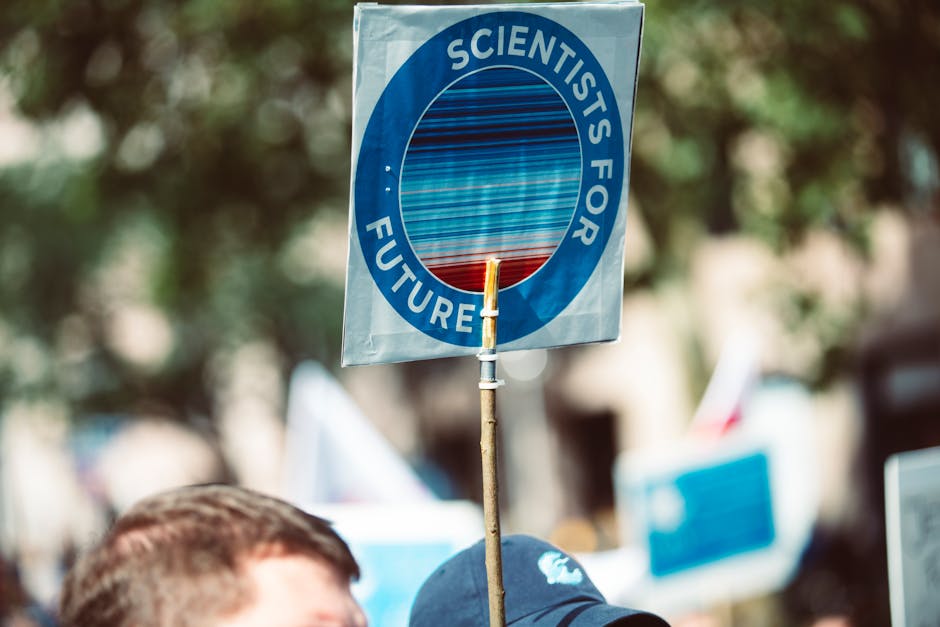
Photo by Markus Spiske on Pexels
This is perhaps the most significant environmental challenge. It's primarily caused by the release of greenhouse gases (like carbon dioxide, methane, and nitrous oxide) from burning fossil fuels (coal, oil, natural gas) for energy, transportation, and industry. These gases trap heat in the atmosphere, leading to:
* Global warming: A long-term increase in Earth's average surface temperature.
* Extreme weather events: More frequent and intense heatwaves, droughts, floods, and storms.
* Sea-level rise: Due to melting glaciers and thermal expansion of water, threatening coastal communities.
* Ocean acidification: Oceans absorb excess CO2, becoming more acidic, which harms marine life, especially shellfish and coral reefs.
2.2 Biodiversity Loss
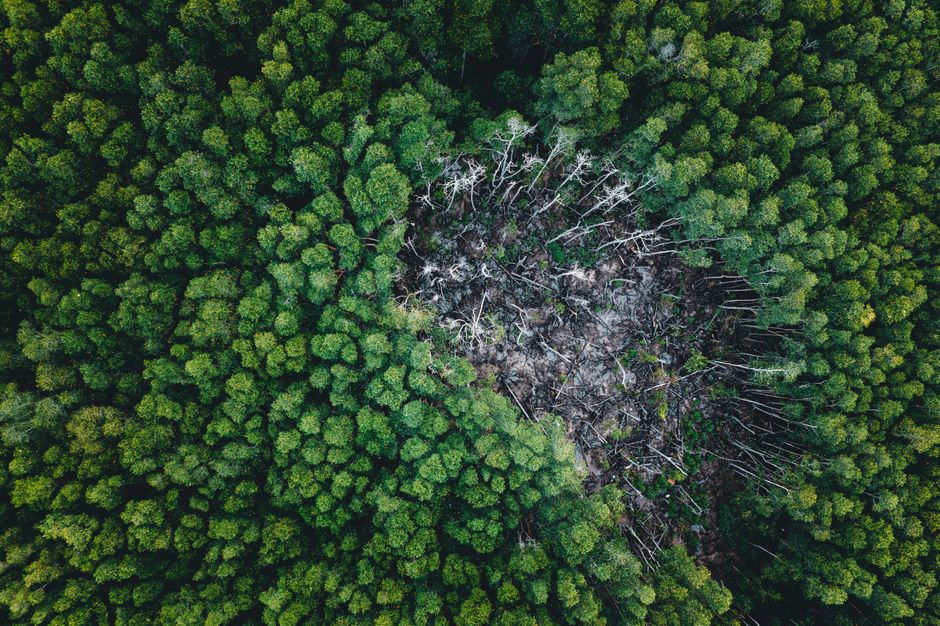
Photo by Pok Rie on Pexels
Biodiversity is the variety of life on Earth. Human activities are causing species to disappear at an alarming rate.
* Habitat destruction: Clearing forests for agriculture, urbanization, and logging destroys the homes of countless species.
* Pollution: Contaminants in air, water, and soil can directly kill organisms or disrupt their ecosystems.
* Overexploitation: Overfishing, unsustainable hunting, and excessive harvesting of plants reduce populations.
* Invasive species: Humans introduce non-native species (intentionally or accidentally) that outcompete or prey on native species.
* Climate change: As habitats shift or disappear due to warming, many species can't adapt quickly enough.
2.3 Pollution
Pollution is the introduction of harmful substances or products into the environment.
* Air pollution: Smog from vehicle exhaust, industrial emissions, and particulate matter harms human health and ecosystems.
* Water pollution: Industrial waste, agricultural runoff (pesticides, fertilizers), sewage, and plastic waste contaminate rivers, lakes, and oceans.
* Land pollution: Landfills overflowing with waste, hazardous chemicals from industry, and pesticide use degrade soil quality.
* Plastic pollution: Persistent plastics accumulate in environments, harming wildlife and entering the food chain.
2.4 Resource Depletion

Photo by AGENCE MALD on Pexels
Many of the resources we use are finite or are being used faster than they can regenerate.
* Deforestation: Forests are cleared for timber, agriculture, and development, reducing carbon sinks and biodiversity.
* Water scarcity: Overuse and pollution of freshwater sources lead to shortages in many regions.
* Fossil fuels: These are non-renewable and their extraction and burning contribute heavily to climate change.
2.5 Solutions and Sustainability

Photo by Denitsa Kireva on Pexels
To mitigate these impacts, we need to move towards sustainability, which means meeting our present needs without compromising the ability of future generations to meet their own needs.
* Renewable energy: Shifting from fossil fuels to solar, wind, hydro, and geothermal power.
* Conservation: Protecting habitats, creating national parks, and establishing sustainable fishing and forestry practices.
* Waste reduction: Reduce, reuse, recycle (the "3 Rs").
* Sustainable agriculture: Practices that minimize environmental impact, like organic farming and crop rotation.
* Policy and education: Government regulations, international agreements, and public awareness campaigns are crucial.
graph TD
    A["Human Activities"] --> B["Greenhouse Gas Emissions"]
    A --> C["Habitat Destruction & Fragmentation"]
    A --> D["Pollution (Air, Water, Land)"]
    A --> E["Over-exploitation of Resources"]

    B --> F["Global Warming"]
    C --> G["Biodiversity Loss"]
    D --> H["Ecosystem Degradation"]
    E --> I["Resource Scarcity"]

    F --> G
    F --> H
    H --> G

    F --> J["Extreme Weather Events"]
    F --> K["Sea Level Rise"]
    F --> L["Ocean Acidification"]

    J --> M["Displacement & Damage"]
    K --> M
    G --> N["Loss of Ecosystem Services"]
    H --> N
    I --> O["Economic & Social Instability"]

    M --> O
    N --> O

    subgraph "Overall Impacts"
        J
        K
        L
        N
        O
        M
    end
3. Worked Example
Imagine a large forest area is cleared for cattle ranching.
1. Habitat Destruction: The immediate impact is the loss of trees and the destruction of homes for many animal and plant species. This directly contributes to biodiversity loss.
2. Carbon Release: As trees are cut down and often burned, the carbon they stored is released into the atmosphere as carbon dioxide, contributing to greenhouse gas emissions and thus climate change.
3. Soil Degradation: Without tree roots to hold it, the soil becomes more prone to erosion, reducing its fertility and potentially contaminating nearby water bodies with sediment.
4. Methane Emissions: The cattle raised on the newly cleared land produce methane, another powerful greenhouse gas, further exacerbating climate change.
5. Water Pollution: If fertilizers or pesticides are used for pasture, they can run off into rivers and streams, leading to water pollution and harming aquatic life.
This single action—deforestation for agriculture—illustrates how one human activity can trigger multiple interconnected negative environmental changes.
4. Key Takeaways
- Human activities are the primary drivers of current environmental changes.
- Climate change, biodiversity loss, and pollution are interconnected global problems.
- Burning fossil fuels is the main cause of human-induced climate change.
- Habitat destruction is the leading cause of biodiversity loss.
- Sustainable practices are essential for mitigating negative human impacts.
- Protecting natural resources benefits both the environment and human well-being.
- International cooperation and individual actions are both critical for addressing these issues.
Common mistakes to avoid:
- Thinking that environmental issues are separate, unrelated problems.
- Believing that individual actions don't make a difference.
- Assuming technology alone will solve all environmental problems without behavioral changes.
- Underestimating the urgency and scale of these global challenges.
5. Now Try It
For 15 minutes, research a specific environmental issue in your local area (e.g., local air quality, a polluted river, loss of a natural habitat). Identify at least two human activities contributing to this issue and one potential solution being implemented or that could be implemented.
Success looks like: You can clearly describe the local issue, pinpoint its human causes, and suggest a realistic action to address it, demonstrating your understanding of human impact and potential solutions.
Frequently asked about Human Impact and Environmental Change
Study this next
Get the full Science final exam curriculum
Clone the complete plan to your dashboard for unlimited AI-generated notes, practice quizzes, and a personalised revision schedule.
Save this course free