Strategic Importance of Pakistan's Location
From the Environment of Pakistan curriculum
Strategic Importance of Pakistan's Location
TL;DR
Pakistan's geographical position makes it a critical bridge between major regions, influencing global trade and regional stability. Its location provides both significant economic opportunities and complex geopolitical challenges. Understanding this strategic importance helps explain its role in international relations.
1. The Mental Model
Think of Pakistan as a crucial junction on a global highway. Many important routes pass through or near it, connecting different parts of the world and making it a key player for trade, energy, and regional power dynamics.
2. The Core Material
Pakistan's location is strategically important due to its unique geographical position. It borders significant regions and countries, making it a pivotal state for economic corridors, energy routes, and regional security.
2.1 Geographic Crossroads
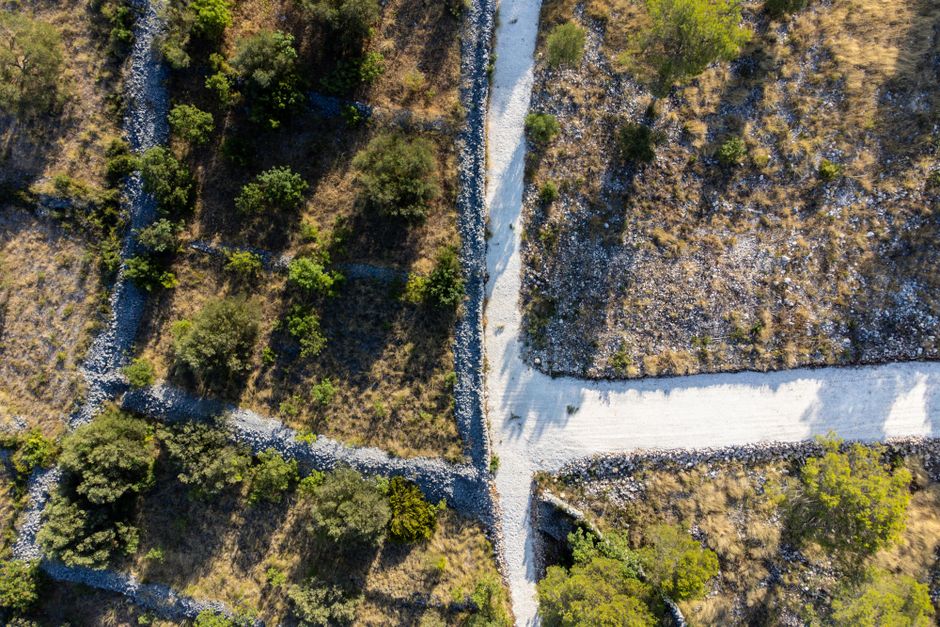
Photo by Nikola Tomašić on Pexels
Pakistan sits at the intersection of South Asia, Central Asia, the Middle East, and Southwest Asia. This makes it a natural transit point and a potential gateway for trade and cultural exchange between these diverse regions.
2.2 Access to Warm Water Ports

Photo by HONG SON on Pexels
One of Pakistan's most significant assets is its coastline along the Arabian Sea, particularly the port of Gwadar. This provides landlocked Central Asian Republics (CARs) and Afghanistan with direct access to warm water ports, essential for international trade year-round, unlike northern ports which can freeze.
2.3 Proximity to Energy-Rich Regions
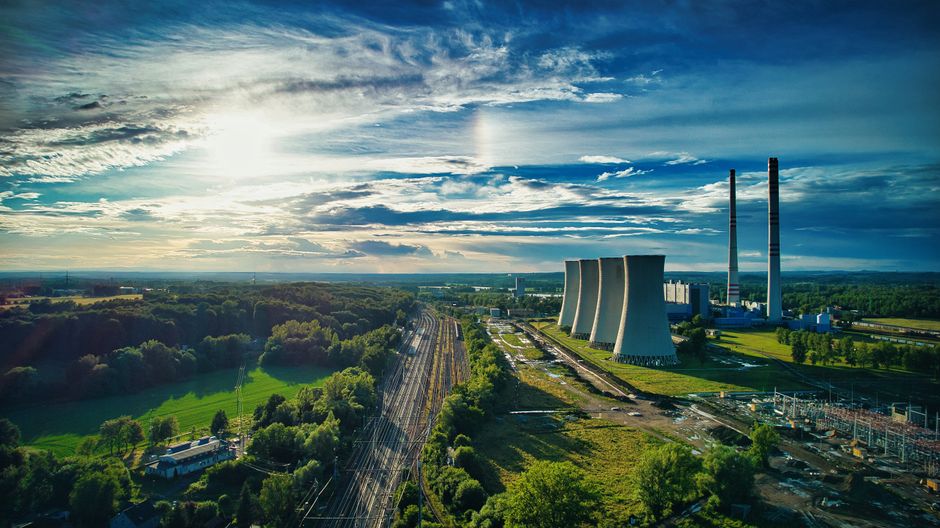
Photo by Daniel Gross on Pexels
Pakistan is located close to the energy-rich Middle East and the Caspian Sea basin. This proximity makes it a vital route for proposed oil and gas pipelines, connecting producers to consumers and establishing Pakistan as an energy corridor.
2.4 Geopolitical Significance
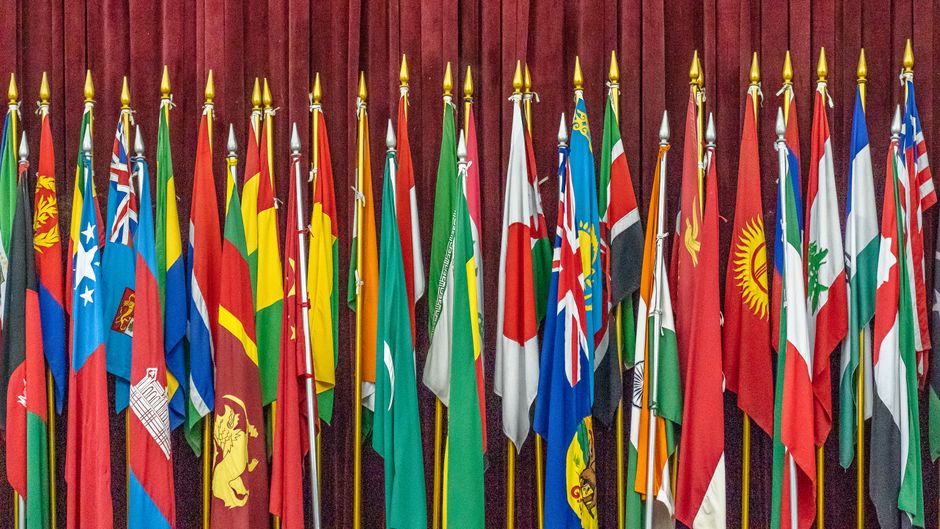
Photo by Mike van Schoonderwalt on Pexels
Its borders with countries like Iran, Afghanistan, China, and India place it at the center of complex geopolitical dynamics. This position means Pakistan is often involved in regional security issues, counter-terrorism efforts, and global power competition. Its relationship with China (e.g., CPEC) further amplifies this importance.
2.5 Trade and Connectivity
Pakistan's location offers immense potential for regional connectivity projects. Initiatives like the China-Pakistan Economic Corridor (CPEC) aim to leverage this position to create trade routes, infrastructure, and economic development, linking China to the Arabian Sea.
Here's a diagram illustrating the key elements contributing to Pakistan's strategic importance:
graph TD
    A["Pakistan's Location"] --> B["Geographic Crossroads"]
    B --> C1["South Asia"]
    B --> C2["Central Asia"]
    B --> C3["Middle East"]
    B --> C4["Southwest Asia"]

    A --> D["Access to Warm Water Ports (e.g., Gwadar)"]
    D --> E["Gateway for Landlocked CARs & Afghanistan"]

    A --> F["Proximity to Energy-Rich Regions"]
    F --> G["Potential Energy Corridor (Pipelines)"]

    A --> H["Geopolitical Significance"]
    H --> I["Border with Key Nations (China, India, Afghanistan, Iran)"]
    H --> J["Regional Stability & Security Role"]

    A --> K["Trade & Connectivity Potential"]
    K --> L["CPEC (China-Pakistan Economic Corridor)"]
    K --> M["Regional Economic Integration"]
3. Worked Example
Consider the China-Pakistan Economic Corridor (CPEC). This massive infrastructure project uses Pakistan's strategic location to connect Kashgar in China's Xinjiang province to the Gwadar Port on the Arabian Sea. For China, it provides a shorter, more secure trade route to the Middle East, Africa, and Europe, bypassing the Strait of Malacca. For Pakistan, it brings billions in infrastructure development, energy projects, and job creation, turning its geographical advantage into economic benefit by establishing itself as a major transit hub. This project directly leverages Pakistan's position as a bridge between landlocked Western China and the maritime trade routes.
4. Key Takeaways
- Pakistan acts as a crucial land bridge connecting South Asia, Central Asia, the Middle East, and Southwest Asia.
- Its Arabian Sea coastline, especially Gwadar Port, offers vital warm-water access for landlocked nations.
- Proximity to major oil and gas reserves positions Pakistan as a potential energy transit hub.
- Geopolitically, its borders with major powers and volatile regions make it a central player in regional security.
- Projects like CPEC are capitalizing on this location for trade, infrastructure, and economic development.
- The strategic importance often results in significant international attention and investment.
- Its location makes it indispensable for stability and connectivity across multiple continents.
Common Mistakes to Avoid:
- Don't solely focus on military aspects; remember the economic and trade implications.
- Don't overlook the role of specific ports like Gwadar in enhancing this importance.
- Don't forget that "strategic" implies both opportunities and challenges/risks.
- Don't simplify its role to just one region; its influence spans several.
5. Now Try It
Imagine you're an advisor to a multinational logistics company looking to expand into Central Asia. Outline three distinct reasons why you would recommend considering Pakistan as a primary transit route for goods from the Arabian Sea, based on its strategic location. What specific geographical features or projects would you highlight in your recommendation?
What success looks like: Your outline clearly identifies at least three specific advantages directly tied to Pakistan's location (e.g., port access, existing infrastructure projects, shorter routes) and explains how each benefits the logistics company's goal of reaching Central Asia.
Frequently asked about Strategic Importance of Pakistan's Location
More from Environment of Pakistan
Get the full Environment of Pakistan curriculum
Clone the complete plan to your dashboard for unlimited AI-generated notes, practice quizzes, and a personalised revision schedule.
Create Free Account