Analysis of Pull Factors in Rural-Urban Migration
From the Geog notes curriculum
Analysis of Pull Factors in Rural-Urban Migration
TL;DR
Rural-urban migration is driven by "pull factors" that attract people to cities, like better jobs, services, and opportunities. These factors contrast with "push factors" that drive people away from rural areas. Understanding these attractions helps explain urban growth and its challenges.
1. The Mental Model
Think of pull factors as magnets drawing people to cities. These magnets represent various advantages and opportunities that urban areas offer, making them seem more appealing than rural life.
2. The Core Material
Rural-urban migration is a big part of how cities grow. While "push factors" (like poverty or lack of services in rural areas) force people to leave, "pull factors" are the attractive forces that draw them to cities. It's not just about escaping bad conditions; it's also about moving towards perceived better ones.
Here are the main categories of pull factors:
Economic Opportunities

Photo by Pixabay on Pexels
This is often the biggest draw. Cities typically have more diverse and higher-paying job markets.
* Better Employment: More jobs available, often in manufacturing, services, or tech. These jobs can pay more than agricultural work.
* Higher Wages: Even for similar work, urban wages tend to be higher due to greater demand and cost of living.
* Economic Mobility: More chances to start businesses, find better career paths, and improve one's financial situation.
Better Services and Infrastructure

Photo by panumas nikhomkhai on Pexels
Cities usually offer a higher standard of living through better public services.
* Education: More and better schools, universities, and specialized training institutions.
* Healthcare: Access to more hospitals, clinics, and specialist doctors.
* Utilities: Reliable access to electricity, clean water, sanitation, and internet.
* Transportation: More developed public transport systems (buses, trains) and roads.
Social and Cultural Attractions
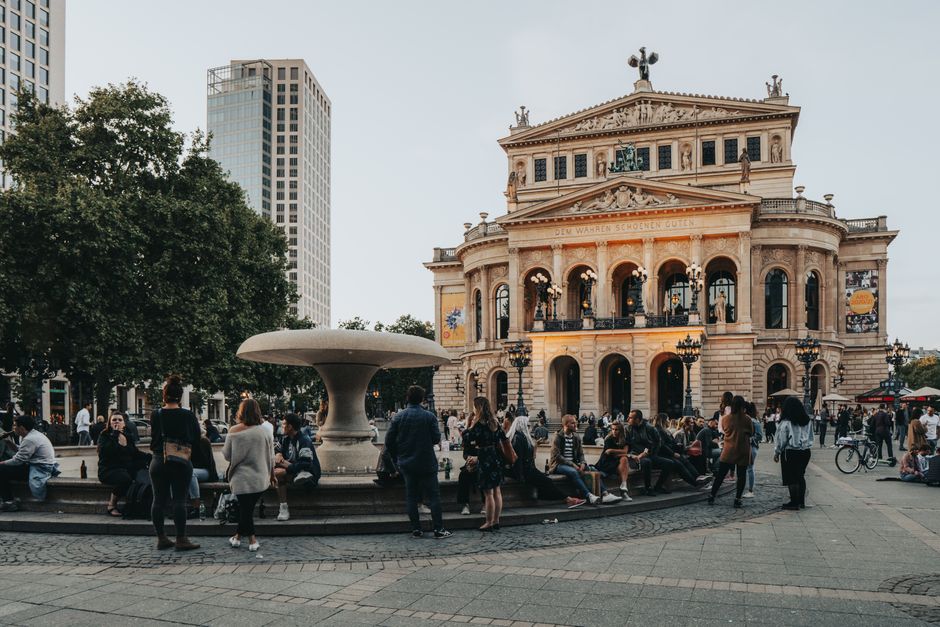
Photo by Masood Aslami on Pexels
Urban environments often provide a more vibrant and diverse social scene.
* Entertainment & Recreation: Cinemas, theaters, sports facilities, restaurants, and shopping centers are more common in cities.
* Social Diversity: Exposure to different cultures, ideas, and lifestyles.
* Family & Friends: Often, people move to cities where relatives or friends have already settled, providing a social support network.
Perceived Quality of Life

Photo by Kampus Production on Pexels
Sometimes, it's not just about objective measures but also how people perceive urban life.
* Modernity: The idea that cities are "modern" and offer a more advanced lifestyle.
* Freedom: A sense of anonymity and personal freedom that might be harder to find in close-knit rural communities.
* Hope: The belief that a better future is possible in the city, even if it's not guaranteed.
Here's a diagram showing how these pull factors work together to influence migration:
graph TD
    A["Rural Area Population"] --> B{"Decision to Migrate?"}
    B -- "If Yes" --> C["Consider Pull Factors"]
    C --> D["Economic Opportunities (Jobs, Wages)"]
    C --> E["Better Services (Healthcare, Education)"]
    C --> F["Infrastructure (Utilities, Transport)"]
    C --> G["Social & Cultural Attractions (Entertainment, Diversity)"]
    C --> H["Perceived Quality of Life (Modernity, Hope)"]
    D & E & F & G & H --> I["Urban Area (Destination)"]
3. Worked Example
Imagine you're a young person living in a small farming village. Your family struggles to make ends meet, and farming depends heavily on unpredictable weather. There's only one basic school, and the nearest doctor is a two-hour bus ride away. Your cousin, who moved to the capital city five years ago, often posts pictures on social media showing her working in a busy office, going to concerts, and living in an apartment with running water and electricity. She tells you about job openings and how much easier it is to get around. This information about higher-paying jobs, better access to healthcare and education, entertainment options, and the perceived "modern" lifestyle are all powerful pull factors attracting you to the city, making migration a very appealing option despite the risks.
4. Key Takeaways
- Pull factors are the attractive forces drawing people to urban areas.
- Economic opportunities, especially jobs and higher wages, are often the primary pull.
- Access to superior education and healthcare services is a significant urban draw.
- Better infrastructure like reliable utilities and transportation makes cities more appealing.
- Social amenities, cultural diversity, and entertainment add to the urban allure.
- The perceived promise of a better, more modern life can strongly influence migration decisions.
Common Mistakes to Avoid:
- Don't confuse pull factors with push factors; pull attracts, push expels.
- Don't assume all pull factors apply equally to everyone; individual motivations vary.
- Avoid overlooking the role of information and perception (e.g., social media) in shaping pull factors.
- Don't forget that pull factors interact with push factors; it's often a combination.
5. Now Try It
Think about a city you're familiar with (it could be your hometown or a major global city). List at least five specific, concrete examples of pull factors that might attract someone from a rural area to that particular city. For each factor, briefly explain why it would be attractive. Success looks like clearly articulating specific attractions for your chosen city.
Frequently asked about Analysis of Pull Factors in Rural-Urban Migration
More from Geog notes
Get the full Geog notes curriculum
Clone the complete plan to your dashboard for unlimited AI-generated notes, practice quizzes, and a personalised revision schedule.
Create Free Account