Analysis of Push Factors in Rural-Urban Migration
From the Geog notes curriculum
Analysis of Push Factors in Rural-Urban Migration
TL;DR
Push factors are negative conditions in rural areas that force people to leave for urban centers. They include economic hardship, lack of services, and environmental problems. Understanding these factors helps explain why people move and the impacts on both rural and urban areas.
1. The Mental Model
Think of rural areas as having certain "unpleasant" forces pushing people out. These forces are usually problems or limitations that make staying in the countryside difficult or undesirable, essentially compelling individuals to seek better opportunities elsewhere.
2. The Core Material
Rural-urban migration is a huge global trend, and push factors are the negative aspects of rural life that make people want to leave. They're basically the reasons why staying put isn't a good option.
Economic Push Factors
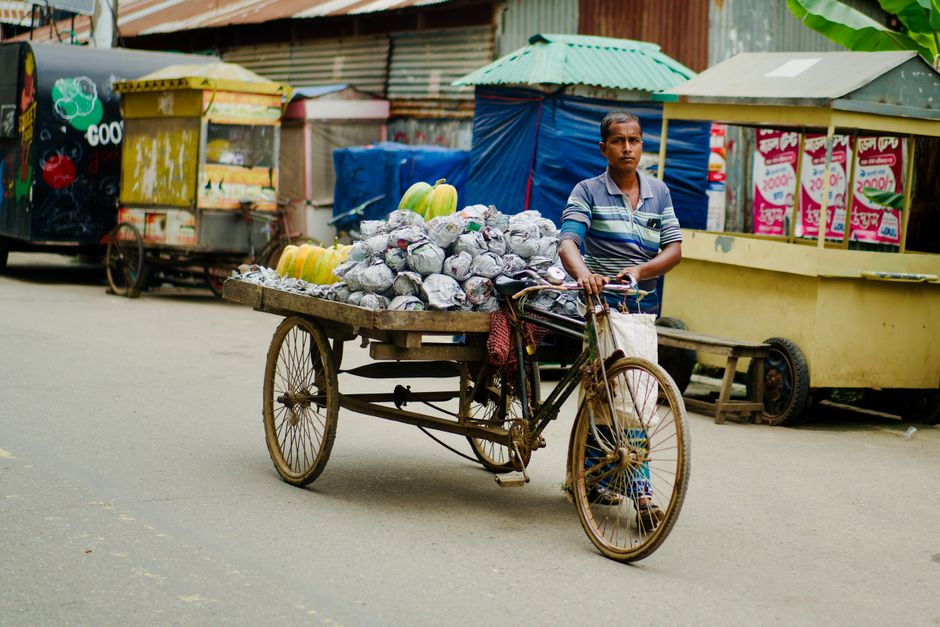
Photo by Mahidul Islam Nakib on Pexels
These are often the most powerful drivers. If you can't make a living, you'll look elsewhere.
* Lack of Employment Opportunities: Rural areas often have limited job options, especially outside of agriculture. If farming isn't doing well, or if there's no industry, people can't find work.
* Low Wages and Poverty: Even if jobs exist, they might pay very little, barely enough to survive. This drives people, especially younger generations, to seek higher wages in cities.
* Land Scarcity or Degradation: In many places, there isn't enough fertile land for everyone, or the land has become unproductive due to overuse or climate change. This directly impacts farmers' livelihoods.
* Lack of Access to Credit/Markets: Farmers might struggle to get loans or sell their produce at fair prices, making their work less profitable.
Social and Service-Related Push Factors

Photo by cottonbro studio on Pexels
Beyond money, quality of life matters a lot.
* Poor Access to Education: Rural schools often lack resources, good teachers, or higher education options. Parents want better futures for their children.
* Inadequate Healthcare: Medical facilities can be far away, understaffed, or lack essential equipment. Serious illnesses often require travel to urban centers.
* Limited Social Services: Things like sanitation, clean water, and electricity might be scarce or unreliable.
* Lack of Amenities and Entertainment: For younger people especially, the absence of shops, entertainment, and social activities can make rural life feel boring or restrictive.
Environmental Push Factors

Photo by Singkham on Pexels
Nature can also force people out, especially with climate change.
* Natural Disasters: Floods, droughts, earthquakes, or prolonged periods of extreme weather can destroy homes, crops, and infrastructure, making an area uninhabitable.
* Resource Depletion: Overuse of water, deforestation, or soil erosion can make farming impossible and reduce the overall quality of life.
* Climate Change Impacts: Gradual changes like rising sea levels or desertification can slowly but surely make rural areas unsustainable.
Political and Conflict-Related Push Factors

Photo by Nothing Ahead on Pexels
Though less common purely for rural-urban migration, these can be significant.
* Political Instability or Persecution: Conflict, violence, or lack of personal safety can force people to flee, often to safer urban centers.
* Lack of Infrastructure Investment: If the government consistently neglects rural roads, communication, and power, it makes life harder and economic development impossible.
graph TD
    A["Economic Factors"] --> B["Lack of Jobs/Low Wages"]
    A --> C["Land Scarcity/Degradation"]
    D["Social Factors"] --> E["Poor Education Access"]
    D --> F["Inadequate Healthcare"]
    D --> G["Limited Social Amenities"]
    H["Environmental Factors"] --> I["Natural Disasters"]
    H --> J["Resource Depletion"]
    K["Political Factors"] --> L["Instability/Conflict"]
    B --> M["Rural Out-Migration"]
    C --> M
    E --> M
    F --> M
    G --> M
    I --> M
    J --> M
    L --> M
3. Worked Example
Imagine a small village, "Green Valley," that relies heavily on corn farming. For generations, people have grown corn.
1. Economic Push: Over the last decade, global corn prices have dropped significantly. Farmers in Green Valley are now getting much less for their crops. Many can't even cover their costs. The younger generation sees no future in farming, as their parents are struggling. There are no factories or other businesses in Green Valley to offer alternative jobs.
2. Environmental Push: Concurrently, the region has been experiencing more frequent and severe droughts due to climate change. This means corn yields are consistently lower, sometimes failing entirely. The soil is also becoming less fertile.
3. Social Push: The local school is small, underfunded, and only goes up to 8th grade. For high school, kids have to travel hours to a bigger town, which is expensive. The nearest hospital is 50 miles away. There's no reliable internet, and the only "entertainment" is the village market once a week.
Because of these combined factors, many young adults from Green Valley are moving to the nearest city, "Metroville." They hope to find factory jobs, work in construction, or even start small businesses, and they expect their children to have better access to education and healthcare there. This scenario clearly shows how various push factors combine to drive rural-urban migration.
4. Key Takeaways
- Push factors are negative conditions in rural areas that drive people to leave.
- Economic issues like poverty and lack of jobs are usually the strongest push factors.
- Poor access to education, healthcare, and basic services also significantly pushes people away.
- Environmental problems, including natural disasters and climate change, can make rural life unsustainable.
- Understanding push factors helps explain the motivations behind migration patterns.
- Migration is rarely due to a single push factor; it's often a combination.
Common Mistakes to Avoid:
* Confusing push and pull factors: Remember, push factors are negative things making you leave; pull factors are positive things drawing you to a new place.
* Assuming all rural areas are the same: Push factors vary greatly depending on geography, economy, and culture.
* Ignoring the role of perception: What one person considers a "push" might be acceptable to another.
* Overlooking the interconnectedness: Economic problems often worsen environmental or social issues, creating a stronger push.
5. Now Try It
Think about a rural area you know (or research one online, like a small farming community in a developing country). List at least two specific economic, two specific social, and one specific environmental push factor that might cause someone to leave that area. Then, briefly explain how these factors might interact to make staying even harder. Your success will be measured by your ability to identify distinct and plausible push factors for a specific location.
Frequently asked about Analysis of Push Factors in Rural-Urban Migration
More from Geog notes
Get the full Geog notes curriculum
Clone the complete plan to your dashboard for unlimited AI-generated notes, practice quizzes, and a personalised revision schedule.
Create Free Account