Rural Areas and Their Characteristics
From the Geog notes curriculum
Rural Areas and Their Characteristics
TL;DR
Rural areas are regions outside of cities and towns, often characterized by lower population density and open landscapes. They play crucial roles in agriculture, resource provision, and maintaining cultural traditions. However, they also face challenges like limited services and economic opportunities.
1. The Mental Model
Think of rural areas as the "countryside"—places where nature and human settlement are more spread out. They're typically distinct from bustling urban centers and have their own unique rhythms and ways of life.
2. The Core Material
Rural areas, sometimes called the countryside or open country, are geographic regions located outside of cities and towns. Their defining features often relate to population density, land use, and economic activities. Understanding these characteristics helps us appreciate their unique contributions and challenges.
2.1 Key Characteristics

Photo by Nothing Ahead on Pexels
- Low Population Density: This is perhaps the most defining feature. Fewer people live per square kilometer compared to urban areas. This leads to more open space and less competition for resources like land.
- Dominant Land Uses: Agriculture (farming, ranching), forestry, and resource extraction (mining, fishing) are common. There's also significant natural and semi-natural land cover like forests, grasslands, and wetlands.
- Economy: Often based on primary industries like those listed above. Tourism (agri-tourism, ecotourism) and small-scale manufacturing can also be important.
- Social Structure: Communities can be tight-knit, with strong social ties and shared cultural values. There might be fewer services (hospitals, large schools, shops) and less diverse cultural offerings than in cities.
- Infrastructure: Typically less developed than urban areas. Roads might be unpaved, public transport limited, and broadband internet access can be a significant challenge.
- Environmental Quality: Generally higher air and water quality, more green spaces, and less noise pollution. This makes them attractive for recreation and a habitat for diverse wildlife.
2.2 Rural-Urban Continuum
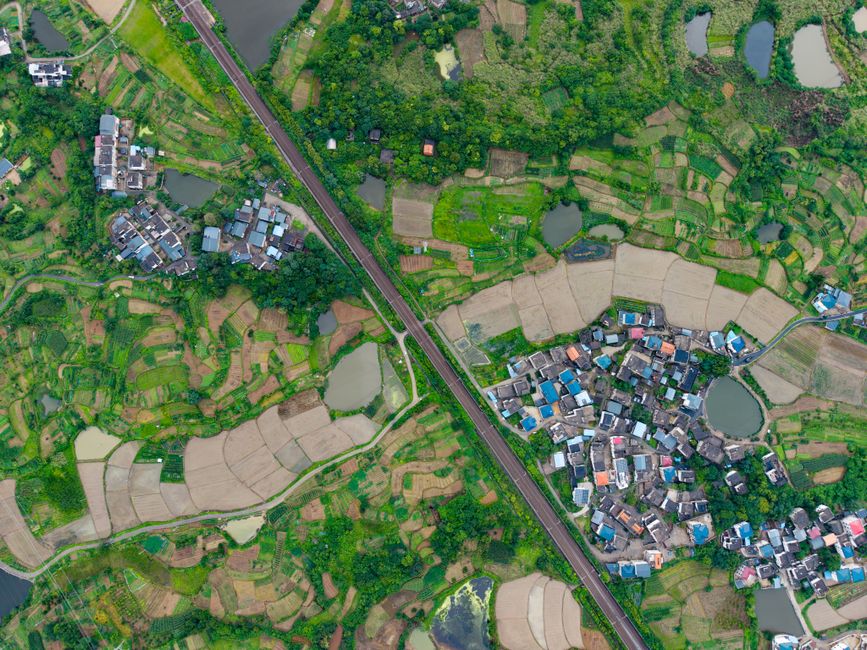
Photo by jason hu on Pexels
It's important to remember that the distinction between "rural" and "urban" isn't always black and white. There's often a continuum, with areas transitioning from very remote rural to exurban (on the edge of cities) and suburban. The specific definition of "rural" can also vary between countries and statistical agencies.
graph TD
    A["Low Population Density"] --> B["Agriculture & Resource Extraction"]
    B --> C["Primary Sector Economy"]
    C --> D["Limited Services & Infrastructure"]
    D --> E["Strong Community Ties"]
    E --> F["Higher Environmental Quality"]
    F --> G["Cultural Heritage & Tradition"]
    G --> A;
2.3 Challenges and Opportunities

Photo by Pixabay on Pexels
Challenges:
* Access to Services: Difficulty accessing healthcare, education, diverse retail, and public transport.
* Economic Opportunities: Fewer job options, often lower wages, and vulnerability to fluctuations in primary commodity markets.
* Depopulation: Young people often leave for cities in search of better education and jobs, leading to an aging population.
* Digital Divide: Lack of reliable and affordable internet access.
Opportunities:
* Quality of Life: Perceived slower pace of life, strong community, access to nature.
* Niche Markets: Growth in organic farming, local food movements, and specialized tourism.
* Renewable Energy: Ideal locations for wind farms and solar arrays.
* Remote Work: Increasingly, digital tools allow people to work from rural locations, potentially reversing depopulation trends.
3. Worked Example
Imagine a small village named "Green Valley." It has 500 residents spread over 20 square kilometers. Most families are involved in sheep farming or working at the local timber mill. The village has one small school, a general store, and a community hall, but the nearest hospital is an hour's drive away. Young adults often leave after finishing school to study or work in the regional town. However, Green Valley boasts pristine rivers for fishing and hiking trails, attracting weekend tourists who stay in a few small guesthouses, buying local wool products and honey. This example clearly shows low population density, primary economic activities, limited services, and both depopulation challenges and tourism opportunities.
4. Key Takeaways
- Rural areas are characterized by low population density and expansive open spaces.
- Their economies are often tied to primary industries like agriculture, forestry, and mining.
- Communities in rural settings often exhibit strong social bonds and cultural traditions.
- Access to essential services like healthcare and advanced education can be limited in rural areas.
- Rural regions face challenges such as an aging population and fewer diverse job opportunities.
- They offer unique opportunities in niche tourism, local food production, and renewable energy.
- Environmental quality, like clean air and water, is generally higher in rural environments.
5. Now Try It
Choose a country you know (or research one). Find and describe one specific example of a rural area within that country. Explain how it exemplifies at least three of the key characteristics discussed (e.g., population density, economy, challenges/opportunities). What success looks like: You'll provide a short paragraph that clearly identifies a specific rural area and links its real-world features to three theoretical characteristics from the notes.
Frequently asked about Rural Areas and Their Characteristics
More from Geog notes
Get the full Geog notes curriculum
Clone the complete plan to your dashboard for unlimited AI-generated notes, practice quizzes, and a personalised revision schedule.
Create Free Account