Rural-Urban Migration: Pull Factors Deep Dive
From the Urban-rural curriculum
Rural-Urban Migration: Pull Factors Deep Dive
TL;DR
People move from rural to urban areas primarily because cities offer better opportunities and living conditions. These "pull factors" act like magnets, attracting individuals seeking economic advancement, improved services, and social connections. Understanding these attractions helps explain global urbanization trends and their impacts.
1. The Mental Model
Think of cities as having a strong magnetic pull. People in rural areas, often facing limited options, are drawn to the perceived benefits and opportunities that urban centers offer, influencing their decision to migrate.
2. The Core Material
Rural-urban migration isn't just about escaping difficult rural conditions (push factors); it's also heavily driven by the attractions of urban life. These are called pull factors. They represent the positive attributes of cities that draw people in.
Economic Opportunities
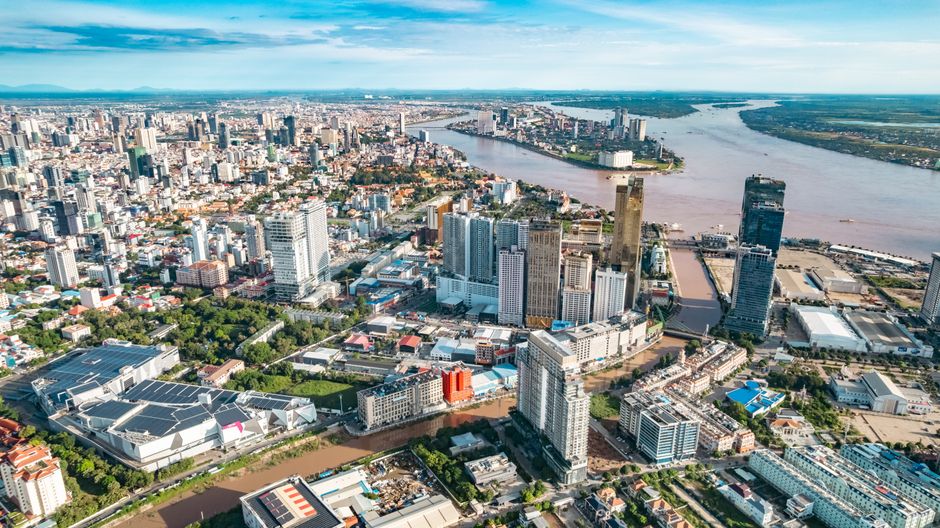
Photo by Nara Tsitra on Pexels
This is often the strongest pull factor. Cities generally have:
* More Jobs: A wider variety of industries (manufacturing, services, tech) means more employment options than typically found in agricultural rural areas.
* Higher Wages: Urban jobs often pay better, even if the cost of living is higher. The potential for greater income is a huge motivator.
* Entrepreneurship: Cities offer larger markets, more resources, and better access to capital for starting businesses.
Better Services and Infrastructure

Photo by panumas nikhomkhai on Pexels
Urban areas typically boast superior amenities:
* Education: More schools, universities, and specialized training institutions. Parents want their children to have better educational prospects.
* Healthcare: More hospitals, clinics, and specialized medical professionals. Access to quality healthcare is a major concern.
* Utilities: Reliable electricity, clean water, sanitation systems, and internet access are often more developed in cities.
* Transportation: More extensive and efficient public transport networks make commuting easier.
Social and Cultural Attractions
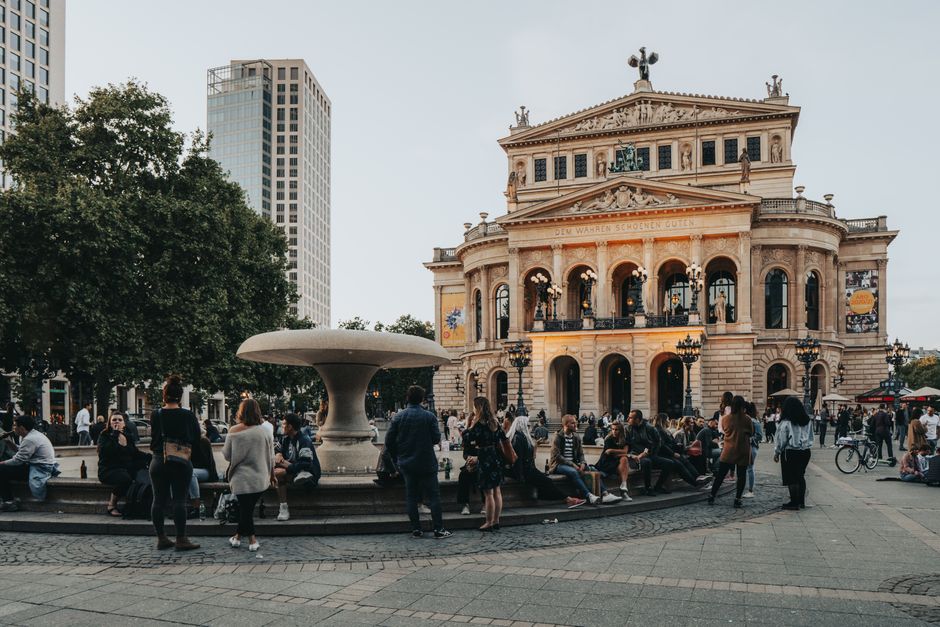
Photo by Masood Aslami on Pexels
Cities offer a different lifestyle:
* Social Mobility: The chance to improve one's social status and escape traditional hierarchies that might be prevalent in rural communities.
* Diversity: More diverse populations and cultures can lead to a greater sense of anonymity and freedom from social pressures.
* Entertainment and Leisure: Cinemas, theaters, restaurants, museums, and sporting events are far more common in urban centers, offering a richer social life.
* Family/Friend Networks: Often, individuals follow family members or friends who have already migrated, creating established support networks.
Perceived Quality of Life

Photo by Kampus Production on Pexels
Sometimes, the attraction is based on the idea of city life:
* Modernity and Excitement: Cities are often seen as modern, dynamic places with a faster pace of life, which can be appealing.
* Personal Freedom: A greater sense of personal freedom and fewer social constraints compared to close-knit rural communities.
It's important to remember that these factors often work together. Someone might move for a job (economic), but also be attracted by the better schools for their kids (services) and the vibrant social scene (cultural).
graph TD
    A["Rural-Urban Migration (Pull Factors)"] --> B["Economic Opportunities"];
    A --> C["Better Services & Infrastructure"];
    A --> D["Social & Cultural Attractions"];
    A --> E["Perceived Quality of Life"];

    B --> B1["More Jobs (Diversity)"];
    B --> B2["Higher Wages"];
    B --> B3["Entrepreneurial Scope"];

    C --> C1["Education (Schools, Universities)"];
    C --> C2["Healthcare (Hospitals, Specialists)"];
    C --> C3["Utilities (Electricity, Water, Internet)"];
    C --> C4["Transportation Networks"];

    D --> D1["Social Mobility"];
    D --> D2["Diversity & Anonymity"];
    D --> D3["Entertainment & Leisure"];
    D --> D4["Existing Family/Friend Networks"];

    E --> E1["Modernity & Excitement"];
    E --> E2["Personal Freedom"];
3. Worked Example
Imagine a young person, let's call her Priya, living in a small farming village in India. Her family earns a modest income from subsistence farming, heavily reliant on unpredictable monsoons. The village has a primary school, but no high school, and the nearest basic health clinic is an hour's walk away. There's no reliable electricity, and internet access is non-existent.
Priya hears stories from her cousin who moved to Mumbai. The cousin now works in a garment factory, earning three times what Priya's family makes in a good month. She attends night classes, uses her smartphone to watch movies, and talks about the city's bustling markets and vibrant festivals. Priya sees this as a path to a better future, not just for herself but potentially for her family if she can send money home. The pull factors here are clear: the promise of a stable, higher-paying job (economic opportunity), access to education (better services), and the allure of a modern, exciting lifestyle with more social options (social/cultural and perceived quality of life).
4. Key Takeaways
- Pull factors are the attractive forces of cities that draw people in from rural areas.
- Economic opportunities, like more jobs and higher wages, are the strongest pull.
- Better access to education, healthcare, and infrastructure (like electricity and water) are significant draws.
- Social and cultural amenities, including entertainment and diverse communities, contribute to the urban appeal.
- The perceived notion of a better, more modern life also acts as a powerful pull.
- Migration decisions are often influenced by a combination of several pull factors.
Common Mistakes to Avoid:
* Don't confuse pull factors with push factors; push factors are negative rural conditions driving people away.
* Avoid assuming all pull factors are purely economic; social and lifestyle aspects are very important too.
* Don't forget the role of information and existing networks (friends/family) in amplifying pull factors.
* Don't overlook the "perception" aspect – sometimes the idea of urban life is as powerful as the reality.
5. Now Try It
Think about a major city you know (e.g., New York, London, Tokyo, Mumbai). List three distinct pull factors that you believe are most responsible for attracting people to that specific city, providing a brief reason for each. Consider what makes that city particularly appealing beyond just "jobs" in general. What would success look like? You'd have three specific pull factors, each with a concise explanation directly relating to your chosen city, demonstrating your understanding of how these factors operate in a real-world context.
Frequently asked about Rural-Urban Migration: Pull Factors Deep Dive
Study this next
Get the full Urban-rural curriculum
Clone the complete plan to your dashboard for unlimited AI-generated notes, practice quizzes, and a personalised revision schedule.
Create Free Account