Introduction to Environmental Management
From the Home science curriculum
TL;DR
Environmental management is all about understanding how humans impact the planet and then finding ways to reduce those negative effects. It focuses on using resources wisely and protecting natural systems for current and future generations. You'll learn strategies to balance our needs with the environment's health.
1. The Mental Model
Think of environmental management as being a good housekeeper for the Earth. It's about keeping things clean, organized, and functional, not just for now but so that everything can keep working well for a long time. It involves observing, planning, and acting responsibly.
2. The Core Material
Environmental management is a broad field, but at its heart, it's about making decisions and taking actions that minimize human impact on the environment while ensuring resources are available for the future. It recognizes the interconnectedness of all living things and their surroundings.
2.1 Why Environmental Management Matters
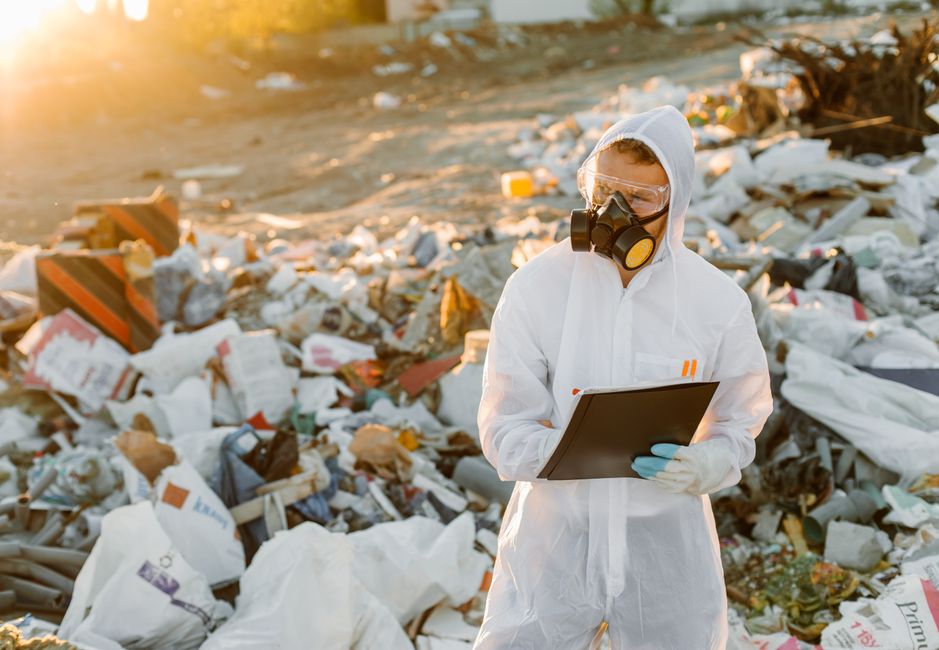
Photo by Gustavo Fring on Pexels
You might wonder why this is so important. Well, our planet has limited resources and delicate ecosystems. When we pollute, overuse resources, or destroy habitats, it has a ripple effect, impacting everything from the air we breathe to the food we eat. Effective environmental management helps us avoid these negative consequences and build a more sustainable future.
2.2 Key Principles

Photo by Ron Lach on Pexels
Here are some core ideas that guide environmental management:
- Sustainability: This is the big one. It means meeting your own needs without compromising the ability of future generations to meet theirs. It balances economic growth, social equity, and environmental protection.
- Precautionary Principle: If there's a strong suspicion that an activity might cause serious or irreversible harm, you should take preventive action even if there isn't full scientific certainty. Better safe than sorry!
- Polluter Pays Principle: Those who cause pollution should bear the costs of managing it to prevent environmental damage.
- Intergenerational Equity: This principle emphasizes fairness between generations, ensuring that future generations inherit a healthy environment and sufficient resources.
2.3 Main Areas of Focus

Photo by Paul Lichtblau on Pexels
Environmental management often focuses on several key areas:
- Resource Management: This includes managing water, land, forests, and minerals efficiently. For example, using less water at home or choosing sustainably sourced wood.
- Pollution Control: This involves reducing waste, cleaning up contaminated sites, and preventing air, water, and soil pollution. Think about recycling or using public transport.
- Biodiversity Conservation: Protecting different species of plants and animals and their habitats. This could mean supporting national parks or avoiding products that harm endangered species.
- Climate Change Mitigation & Adaptation: Reducing greenhouse gas emissions (mitigation) and adjusting to the effects of climate change that are already happening (adaptation).
Here's how these focus areas link together in a typical environmental management cycle:
graph TD
    A["Problem Identification (e.g., pollution)"] --> B["Assessment (What's happening? Why?)"]
    B --> C["Planning (Goals & Strategies)"]
    C --> D["Implementation (Actions Taken)"]
    D --> E["Monitoring & Evaluation (Is it working?)"]
    E --> F["Adjustment & Improvement (What next?)"]
    F --> A;
2.4 Your Role in Home Science

Photo by Vitaly Gariev on Pexels
In home science, environmental management translates into practical actions you can take in your daily life. It's about making conscious choices about what you consume, how you manage waste, and how you use energy and water in your home. These small actions collectively make a big difference.
3. Worked Example
Let's say you notice your household produces a lot of food waste. This is an environmental management problem because food waste often ends up in landfills, producing methane (a powerful greenhouse gas), and it's a waste of resources used to grow and transport that food.
Applying the principles:
1. Problem Identification: Excessive food waste.
2. Assessment: You track for a week and find lots of uneaten leftovers, spoiled produce, and vegetable scraps.
3. Planning: You decide to:
* Plan meals better to buy only what you need.
* Store food properly to extend its life.
* Compost vegetable scraps instead of throwing them away.
* Freeze leftovers for later meals.
4. Implementation: You start doing these things! You buy a smaller bin for compost and a new set of airtight containers for food storage.
5. Monitoring & Evaluation: After a month, you check your waste bin and see significantly less food waste. Your compost bin is filling up nicely.
6. Adjustment & Improvement: You realize you still throw away some overripe fruit, so you decide to start making smoothies or jams with it before it goes bad.
This cycle helps you continuously improve your environmental impact at home.
4. Key Takeaways
- Environmental management balances human needs with protecting the natural world.
- Sustainability means meeting present needs without harming future generations' ability to meet theirs.
- The precautionary principle encourages taking action against potential harm even without full scientific certainty.
- Key focus areas include managing resources, controlling pollution, and conserving biodiversity.
- Your daily choices at home, like reducing waste or conserving energy, are direct forms of environmental management.
- Environmental management is a continuous cycle of identifying problems, assessing them, planning solutions, acting, and then checking results.
- Understanding environmental principles helps you make informed decisions that benefit the planet.
Common mistakes to avoid:
* Thinking that individual actions don't matter; every small effort adds up.
* Ignoring the interconnectedness of environmental issues; pollution in one area can affect another.
* Believing that technology alone will solve all environmental problems without changes in behavior.
* Waiting for perfect solutions; often, "good enough" actions taken now are better than waiting for perfect ones later.
5. Now Try It
For the next two days, pay close attention to your water usage at home. Identify at least three specific ways your household could reduce its water consumption (e.g., shorter showers, turning off the tap while brushing teeth, fixing a leaky faucet). Write down these three actions and how you would implement them. Success looks like having a clear plan for each action and understanding why it helps conserve water.
Frequently asked about Introduction to Environmental Management
Study this next
Get the full Home science curriculum
Clone the complete plan to your dashboard for unlimited AI-generated notes, practice quizzes, and a personalised revision schedule.
Save this course free