Global Environmental Perspectives
From the Environment science curriculum
TL;DR
Global environmental perspectives acknowledge that environmental issues aren't confined by borders and require international collaboration. Different viewpoints, like anthropocentric and ecocentric, shape how we approach these challenges. Understanding these perspectives is crucial for effective environmental policy and action worldwide.
1. The Mental Model
Think of Earth's environment as a single interconnected system, like a giant puzzle where every piece affects the others. Each perspective is just a different way of looking at that puzzle, prioritizing certain pieces or relationships over others.
2. The Core Material
Global environmental perspectives are ways of understanding and addressing environmental issues that span across national boundaries. These issues, such as climate change, biodiversity loss, and ocean pollution, affect everyone, making international cooperation essential.
There are several key perspectives you'll encounter:
Anthropocentric vs. Ecocentric Views
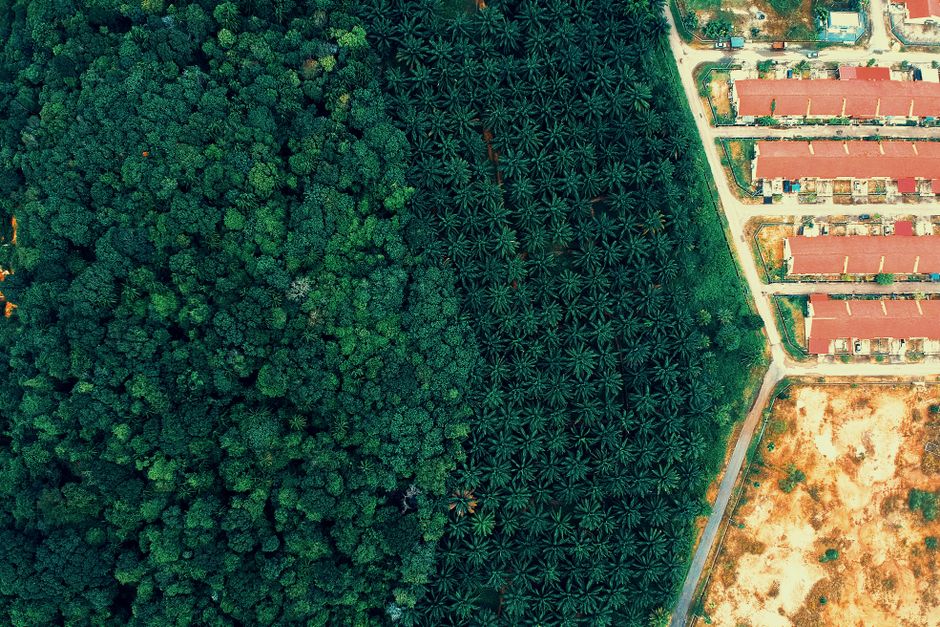
Photo by Pok Rie on Pexels
- Anthropocentrism: This view places humans at the center. It values the environment primarily for its usefulness to human well-being, economy, and health. Environmental protection is seen as important because it benefits people. For example, conserving forests for timber, clean air, or recreational parks falls under this.
- Ecocentrism: This view believes that nature has intrinsic value, independent of its usefulness to humans. All living things and ecosystems have a right to exist and thrive. Environmental protection is important for nature's sake, not just for humanity's. Protecting an endangered species even if it has no direct human benefit is an ecocentric approach.
Planetary Boundaries Framework

Photo by Karolina Grabowska www.kaboompics.com on Pexels
This framework identifies nine critical global processes that regulate the stability and resilience of the Earth system. Crossing these boundaries could lead to irreversible environmental changes. It's a way to scientifically define the "safe operating space for humanity."
graph TD
    A["Planetary Boundaries"] --> B["Climate Change"]
    A --> C["Ocean Acidification"]
    A --> D["Biodiversity Loss"]
    A --> E["Nitrogen & Phosphorus Cycles"]
    A --> F["Land-System Change"]
    A --> G["Freshwater Use"]
    A --> H["Stratospheric Ozone Depletion"]
    A --> I["Atmospheric Aerosol Loading"]
    A --> J["Novel Entities (e.g., plastics, pollutants)"]
    B -- "Over-limit" --> K["Risk of Abrupt Change"]
    C -- "Over-limit" --> K
    D -- "Over-limit" --> K
    E -- "Over-limit" --> K
    F -- "Over-limit" --> K
    G -- "Increasing Pressure" --> L["Regional Water Scarcity"]
Environmental Justice
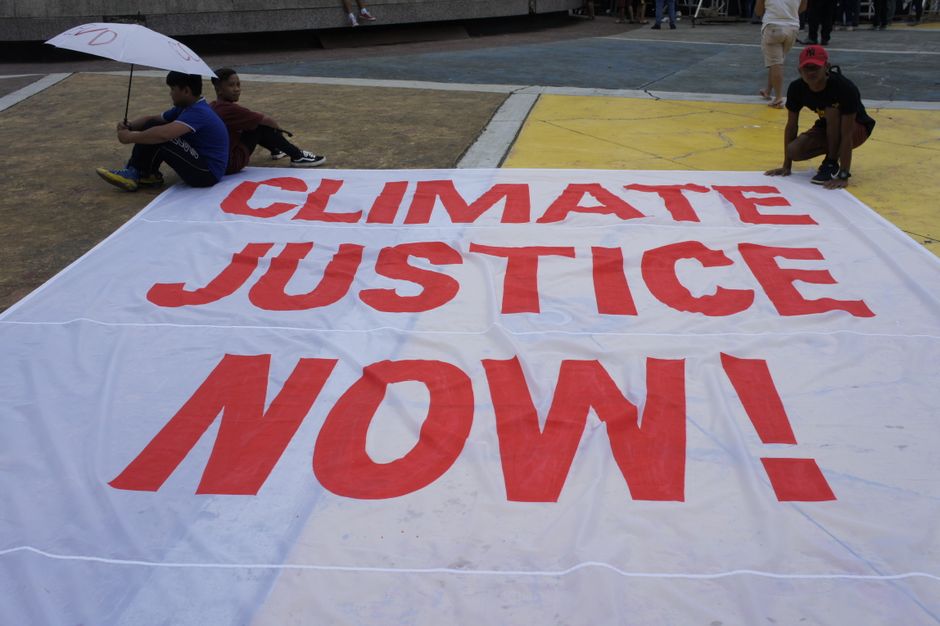
Photo by Valentin Sarte on Pexels
This perspective highlights that environmental burdens (like pollution, lack of access to clean water) are often unequally distributed, disproportionately affecting marginalized communities, both within and between countries. It seeks to ensure fair treatment and meaningful involvement of all people regardless of race, color, national origin, or income, with respect to the development, implementation, and enforcement of environmental laws, regulations, and policies.
Sustainable Development
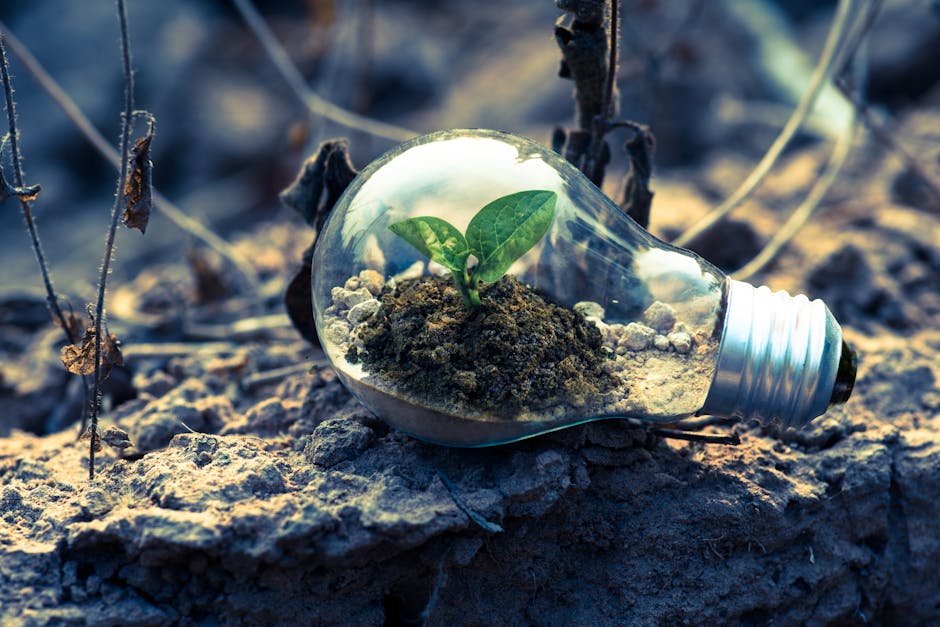
Photo by Singkham on Pexels
Defined by the Brundtland Commission as "development that meets the needs of the present without compromising the ability of future generations to meet their own needs," this perspective integrates economic growth, social equity, and environmental protection. It's about finding a balance that allows for progress without depleting resources or damaging ecosystems for the future.
3. Worked Example
Imagine a large multinational corporation planning to build a new factory in a developing country.
- An anthropocentric view might focus on the economic benefits: jobs created, taxes paid, goods produced, and how environmental regulations can be met at the lowest cost to maximize profit and benefit the local economy.
- An ecocentric view would prioritize protecting the local ecosystem, ensuring no endangered species habitat is destroyed, maintaining water quality for all local wildlife, and minimizing the factory's overall ecological footprint, even if it means higher costs or a smaller factory.
- An environmental justice perspective would scrutinize where the factory is located, ensuring it's not placed in a low-income community that already bears a disproportionate pollution burden, and that local residents have a voice in the decision-making process.
- A sustainable development approach would try to integrate all these: designing the factory to be energy-efficient, using renewable resources, providing good jobs, involving the community, and minimizing environmental impact while still achieving economic growth.
4. Key Takeaways
- Environmental issues are global and require international cooperation due to their interconnected nature.
- Anthropocentrism values nature for human benefit, while ecocentrism values nature for its own sake.
- The Planetary Boundaries framework identifies critical Earth system limits we shouldn't cross to maintain a safe planet.
- Environmental justice focuses on the fair distribution of environmental benefits and burdens across all communities.
- Sustainable development aims to meet present needs without compromising the ability of future generations to meet theirs.
- Different perspectives often lead to different approaches and solutions to environmental problems.
Common mistakes you should avoid:
- Don't confuse anthropocentrism with being anti-environment; it simply prioritizes human well-being as the reason for protection.
- Don't assume one perspective is always "right"; effective solutions often draw from multiple viewpoints.
- Don't forget that environmental justice is both a local and global issue.
- Don't neglect the intergenerational aspect of sustainable development.
5. Now Try It
Choose a current global environmental challenge, like plastic pollution in oceans or deforestation in the Amazon. For this challenge, describe how an anthropocentric perspective and an ecocentric perspective would differ in their proposed solutions. Then, consider how the concept of environmental justice might apply to this issue. What would a sustainable development approach look like for this challenge?
What success looks like: You'll clearly articulate distinct solutions based on each perspective, showing you understand their core differences and how they influence action.
Frequently asked about Global Environmental Perspectives
More from Environment science
Get the full Environment science curriculum
Clone the complete plan to your dashboard for unlimited AI-generated notes, practice quizzes, and a personalised revision schedule.
Save this course free