Biotechnology Applications and Bioethics
From the BioTech curriculum
TL;DR
Biotechnology uses living systems for human benefit, spanning medicine, agriculture, and industry. While offering vast potential, its rapid advancements raise significant ethical, social, and legal questions we need to consider. Understanding these applications alongside their ethical implications is crucial for responsible innovation.
1. The Mental Model
Think of biotech as a powerful toolkit that lets us tweak, build, or use biological components for specific purposes. Just like any powerful tool, it can do incredible good, but also has potential downsides if not handled carefully and ethically.
2. The Core Material
Biotechnology, often shortened to biotech, is simply the use of biological processes, organisms, or systems to manufacture products or develop technologies to improve human lives. It's a huge field, so let's break down some key applications and then dive into the ethical considerations.
2.1 Key Biotechnology Applications
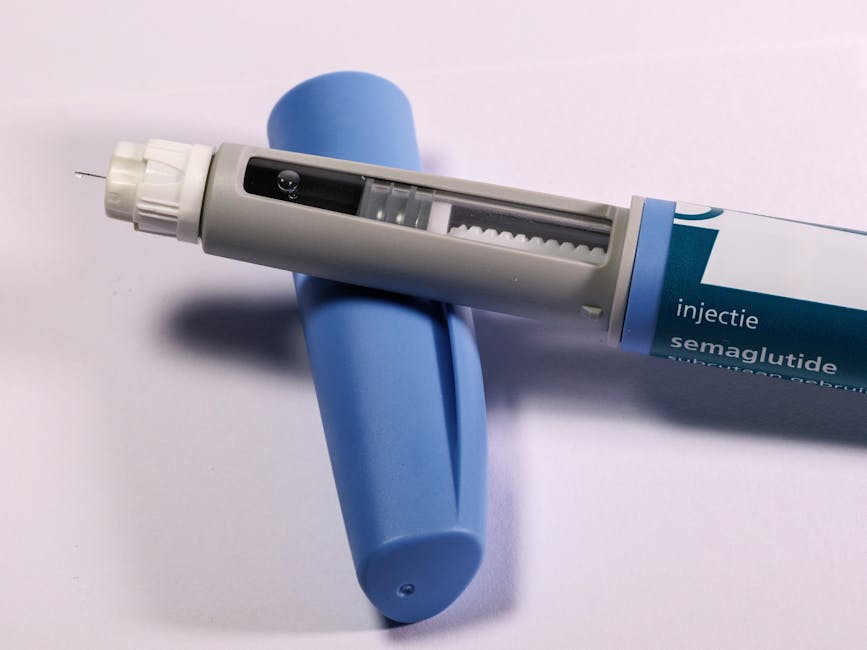
Photo by Haberdoedas Photography on Pexels
You'll find biotech impacting nearly every aspect of our lives:
-
Medical & Healthcare (Red Biotechnology):
- Gene Therapy: Correcting faulty genes to treat diseases like cystic fibrosis or certain cancers.
- Drug Development: Producing vaccines (e.g., mRNA vaccines), insulin, growth hormones, and antibody therapies using genetically engineered microbes or cell lines.
- Diagnostics: Developing rapid tests for diseases (e.g., COVID-19 PCR tests), genetic screening, and personalized medicine approaches based on an individual's genetic makeup.
- Regenerative Medicine: Growing tissues and organs for transplantation, and using stem cells to repair damaged body parts.
-
Agricultural & Food (Green Biotechnology):
- Genetically Modified Organisms (GMOs): Developing crops with improved traits like pest resistance, herbicide tolerance, enhanced nutritional value (e.g., golden rice with Vitamin A), or drought resistance.
- Biofertilizers & Biopesticides: Using microbes to improve soil health or control pests naturally, reducing reliance on chemical inputs.
- Animal Breeding: Improving livestock health, growth rates, and disease resistance.
- Food Processing: Using enzymes for cheese production, brewing, and bread making.
-
Industrial & Environmental (White/Gray Biotechnology):
- Biofuels: Producing ethanol or biodiesel from biomass as alternative energy sources.
- Bioremediation: Using microbes to clean up pollutants like oil spills or heavy metals in contaminated sites.
- Bioplastics: Creating biodegradable plastics from renewable resources.
- Enzyme Production: Industrial enzymes for detergents, textiles, and various chemical processes.
2.2 Bioethical Considerations
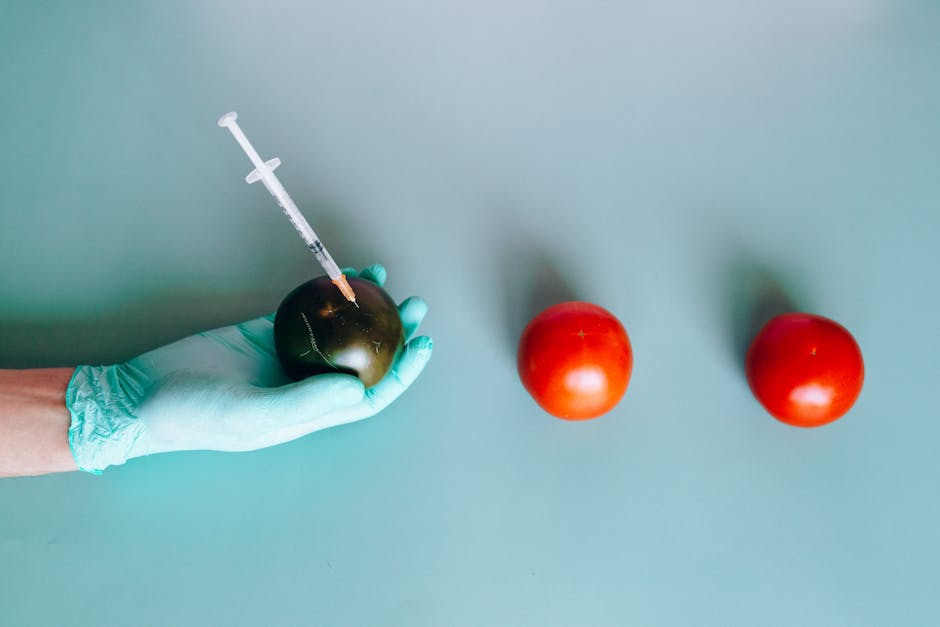
Photo by Nataliya Vaitkevich on Pexels
With great power comes great responsibility, right? Biotech's advancements bring up tough ethical questions. Bioethics is the study of these ethical, social, and legal issues arising from advances in biology and medicine.
Here are some core areas of concern:
- Safety: Are GMOs safe to eat? What are the long-term effects of gene therapy? Could engineered organisms escape and harm the environment?
- Equity & Access: Will expensive gene therapies only be available to the wealthy? Who decides who gets access to life-saving treatments? Could "designer babies" create a new class divide?
- Autonomy & Consent: Do individuals fully understand and consent to genetic testing or gene therapy? What about privacy of genetic information?
- Environmental Impact: Will GM crops lead to superweeds or harm non-target organisms? What are the risks of releasing engineered microbes into the environment?
- "Playing God" / Moral Status: Is it ethical to alter human germline cells (changes that would be inherited)? Where do we draw the line between treating disease and "enhancing" human capabilities? What is the moral status of embryos used in research?
Here's a simple flow of how a new biotech application usually gets evaluated ethically:
graph TD
    A["New Biotech Application Proposed"] --> B["Identify Potential Benefits"]
    B --> C["Identify Potential Risks (Safety, Environmental, Social)"]
    C --> D["Consider Ethical Principles (Justice, Autonomy, Beneficence, Non-maleficence)"]
    D --> E["Engage Stakeholders (Public, Scientists, Policy Makers)"]
    E --> F{"Is the Application Ethically Acceptable?"}
    F -- "Yes, with safeguards" --> G["Implement & Regulate"]
    F -- "No, too risky/unethical" --> H["Re-evaluate or Prohibit"]
2.3 Regulatory Frameworks

Photo by Markus Winkler on Pexels
To navigate these challenges, governments and international bodies establish regulations. For instance, in the US, the FDA (Food and Drug Administration) regulates drugs and biologics, the EPA (Environmental Protection Agency) handles genetically engineered microbes and pesticides, and the USDA (Department of Agriculture) oversees genetically engineered plants and animals. These frameworks aim to balance innovation with public safety and ethical concerns.
3. Worked Example
Let's consider CRISPR-Cas9 gene editing in humans.
Application: Imagine a patient with Huntington's disease, a devastating neurological disorder caused by a single faulty gene. Scientists propose using CRISPR to snip out or repair the mutated section of DNA in the patient's brain cells.
Ethical Review:
- Benefits: Potentially cures or significantly slows progression of a fatal disease, dramatically improving quality of life.
- Risks:
- Off-target edits: CRISPR could make unintended changes to other parts of the genome, leading to new problems.
- Mosaicism: Not all cells might be edited, leading to mixed results.
- Immune response: The body might reject the CRISPR delivery system.
- Germline editing: If used on reproductive cells, changes would be heritable, raising concerns about future generations and "designer babies." (Most current research focuses on somatic cells, meaning changes aren't inherited).
- Cost/Access: Likely to be very expensive initially, raising equity concerns.
- Principles:
- Beneficence (doing good): Strong argument for treating a terrible disease.
- Non-maleficence (doing no harm): Requires rigorous safety testing to minimize off-target effects and other risks.
- Autonomy: Patient must give fully informed consent, understanding the experimental nature and risks.
- Justice: How can we ensure fair access if successful?
- Stakeholder Engagement: Discussions involve medical professionals, geneticists, ethicists, patient advocacy groups, and regulatory bodies.
- Decision: Currently, somatic cell gene therapy for severe genetic diseases is being cautiously explored in clinical trials under strict regulation, with a strong emphasis on informed consent and monitoring for adverse effects. Germline editing in humans is widely considered unethical and is prohibited in many countries due to the permanent, heritable changes it would introduce.
4. Key Takeaways
- Biotechnology applies biological knowledge to create useful products and technologies across many sectors.
- Major applications include medical treatments, agricultural improvements, and industrial/environmental solutions.
- Bioethics is the critical field that examines the moral implications and societal impact of these biotech advancements.
- Key ethical considerations revolve around safety, equity, individual autonomy, environmental impact, and the broader moral questions of altering life.
- Regulation is essential to guide responsible development and application of biotechnology.
- Understanding the benefits and risks of biotech is crucial for informed public discourse and policy making.
Common Mistakes to Avoid:
- Assuming all biotech applications are inherently good or bad; it's nuanced.
- Ignoring the potential long-term societal or environmental consequences of new technologies.
- Confusing somatic cell gene editing (not inherited) with germline editing (inherited).
- Thinking that ethical considerations are only for scientists; everyone has a role in these discussions.
5. Now Try It
Spend 15 minutes researching a specific biotech application you find interesting (e.g., CRISPR for disease, lab-grown meat, synthetic biology for fuel). For your chosen application, write down:
1. Two potential benefits.
2. Two potential ethical concerns (beyond just "it's new").
3. One way society or regulators might address one of those concerns.
What success looks like: You can clearly articulate both the promise and the peril of a specific biotech innovation and suggest a thoughtful approach to manage its risks.
Frequently asked about Biotechnology Applications and Bioethics
Study this next
Get the full BioTech curriculum
Clone the complete plan to your dashboard for unlimited AI-generated notes, practice quizzes, and a personalised revision schedule.
Save this course free