Emerging Technologies and Future of Biotech
From the BioTech curriculum
TL;DR
Biotech's future is shaped by rapid advances in gene editing, AI, and synthetic biology, promising revolutionary changes in medicine, agriculture, and manufacturing. These technologies enable precise interventions at a molecular level, opening doors for personalized treatments and sustainable solutions. Understanding their principles and ethical implications is crucial for anyone entering the field.
1. The Mental Model
Think of biotech's future as building blocks. We're getting better at designing and manipulating these blocks (genes, cells, molecules) using new tools, and AI helps us understand how to put them together for amazing new purposes.
2. The Core Material
Biotechnology is undergoing a profound transformation, driven by several key emerging technologies. These aren't just incremental improvements; they represent paradigm shifts in how we understand, interact with, and engineer biological systems.
Gene Editing Technologies (CRISPR-Cas9 and beyond)
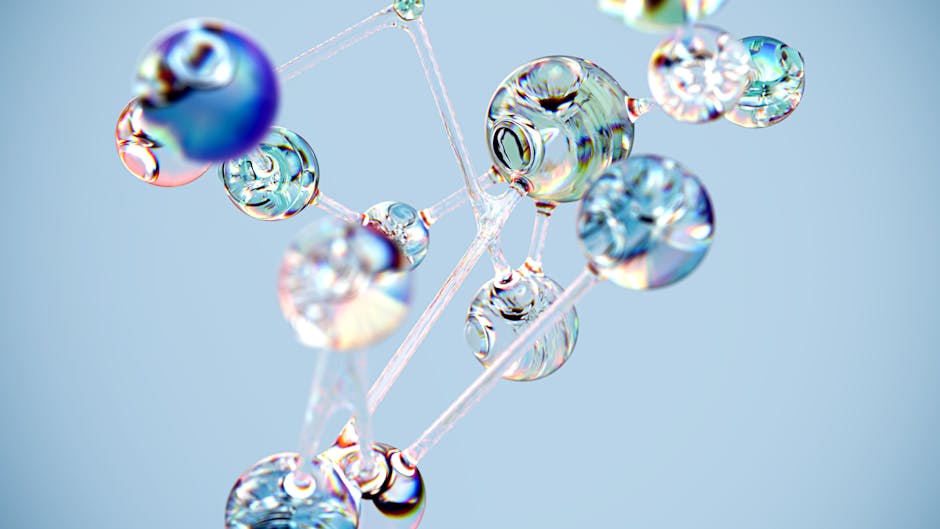
Photo by Google DeepMind on Pexels
Gene editing is like having a molecular-level word processor for DNA. CRISPR-Cas9 is the most well-known tool, allowing you to precisely cut out, replace, or insert specific DNA sequences. Think of it as a highly accurate pair of molecular scissors guided by a GPS system (guide RNA).
- How it works: A guide RNA molecule leads the Cas9 enzyme to a specific DNA sequence. Cas9 then cuts the DNA. The cell's natural repair mechanisms kick in, which can be manipulated to either delete the sequence, insert a new one, or fix a faulty one.
- Applications: Curing genetic diseases (like sickle cell anemia or cystic fibrosis), developing pest-resistant crops, and even modifying immune cells to fight cancer (CAR T-cell therapy).
- Next-gen: Base editing and prime editing are even more precise, allowing single-letter changes in the DNA code without creating double-strand breaks, reducing potential off-target effects.
Artificial Intelligence (AI) and Machine Learning (ML) in Biotech

Photo by Tara Winstead on Pexels
AI and ML are becoming indispensable for handling the massive datasets generated in biotech. They help us find patterns, predict outcomes, and design experiments more efficiently.
- Drug Discovery: AI can screen billions of potential drug compounds in silico (on a computer) to identify promising candidates much faster than traditional lab methods. It can also predict how a drug might interact with the body.
- Genomics: ML algorithms are used to analyze vast amounts of genomic data, identify disease markers, predict an individual's susceptibility to certain conditions, and personalize treatment plans.
- Protein Folding: Predicting the 3D structure of proteins from their amino acid sequence is critical for drug design. Tools like AlphaFold, powered by deep learning, have revolutionized this field.
Synthetic Biology

Photo by Edward Jenner on Pexels
Synthetic biology is about designing and constructing new biological parts, devices, and systems, or re-designing existing natural biological systems for useful purposes. It's engineering with biological components.
- Examples: Engineering microbes to produce biofuels, pharmaceuticals (like insulin or artemisinin), or biodegradable plastics. Designing new genetic circuits for diagnostic tools.
- Key Idea: It moves beyond just understanding biology to actively building and creating with it, similar to how engineers use standardized parts to build machines.
Biofabrication and Organoids
Photo by Anil Sharma on Pexels
Biofabrication involves using biological materials and cells to construct tissues and organs. Organoids are miniaturized, simplified versions of organs grown in vitro (in a dish) that mimic the structure and function of their full-sized counterparts.
- 3D Bioprinting: Using a "bio-ink" (cells mixed with a scaffold material) to 3D print tissues or even complex organs layer by layer.
- Applications: Drug testing (reducing reliance on animal models), disease modeling (studying disease progression in a more relevant context), and eventually, regenerative medicine (growing replacement tissues and organs).
Here's a look at how these technologies are interconnected in their development and impact:
graph TD
    A["Fundamental Biotech Research (e.g., DNA sequencing)"] --> B["Gene Editing (CRISPR, Base Editing)"];
    A --> C["Synthetic Biology (Designing New Systems)"];
    A --> D["High-Throughput Data Generation"];

    D --> E["AI/Machine Learning (Data Analysis, Prediction)"];

    B --> F["Personalized Medicine"];
    C --> G["Bio-manufacturing (e.g., Biofuels, Pharma)"];
    C --> H["Advanced Diagnostics"];
    B --> I["Disease Modeling (via Cell/Animal models)"];

    E --> F;
    E --> G;
    E --> H;
    E --> I;
    E --> J["Drug Discovery & Development (Accelerated)"];

    J --> F;
    J --> I;

    H --> F;

    K["Biofabrication (3D Bioprinting, Organoids)"] --> F;
    K --> I;
    K --> L["Regenerative Medicine"];
Ethical and Societal Implications
These powerful technologies raise significant ethical questions. For example, gene editing in human embryos raises concerns about "designer babies" and potential unintended consequences. Data privacy is a huge issue with AI-driven genomics. Synthetic biology presents biosecurity risks. It's crucial to consider these implications and develop responsible guidelines alongside technological advancements.
3. Worked Example
Let's trace how AI and Synthetic Biology could accelerate drug discovery for a novel disease.
Imagine a new viral pandemic emerges. Traditional drug discovery takes years.
- Identify Viral Targets: Researchers rapidly sequence the virus's genome (using advanced sequencing, an emerging tech itself). This data is fed into an AI/ML platform.
- AI-driven Target Prioritization: The AI analyzes the viral genome and proteome (all its proteins) to identify crucial viral proteins that could be good drug targets (e.g., enzymes the virus needs to replicate). It also predicts the 3D structure of these proteins.
- Virtual Screening: The AI then virtually "screens" a library of billions of existing and potential new chemical compounds against these predicted protein structures. It identifies compounds that are most likely to bind to and inhibit the viral protein's function. This is far faster than wet-lab screening.
- Synthetic Biology for Validation & Production: Once a few promising compounds are identified by AI, synthetic biologists step in.
- They might engineer a simple bacterial or yeast system to rapidly produce the target viral protein in large quantities for in-vitro (test tube) validation of the AI-predicted compounds.
- If a compound looks promising, they could engineer a host cell (like human cell lines) to express the viral proteins and then test the compound's effect in a more biologically relevant context, quickly creating a "disease model in a dish."
- For manufacturing, they might engineer microbes to produce the drug compound itself or key precursors, scaling up production rapidly.
This integrated approach could compress a decade-long drug development process into just a few years.
4. Key Takeaways
- Gene editing tools like CRISPR offer unprecedented precision to modify DNA, enabling potential cures for genetic diseases and improved agricultural traits.
- AI and Machine Learning are transforming biotech by accelerating drug discovery, analyzing vast genomic data, and predicting protein structures.
- Synthetic biology focuses on designing and building new biological systems, leading to novel bio-manufacturing processes and custom diagnostics.
- Biofabrication, including 3D bioprinting and organoids, promises to revolutionize drug testing, disease modeling, and eventually regenerative medicine.
- The rapid pace of these advancements necessitates careful consideration of ethical implications and the development of responsible guidelines.
- These technologies are interconnected; AI often enhances the capabilities of gene editing or synthetic biology projects.
Common Mistakes to Avoid:
- Don't underestimate the ethical complexities; simply focusing on technical prowess isn't enough.
- Don't confuse "gene editing" with "synthetic biology" – editing fixes existing genes, while synthetic biology builds new biological systems.
- Don't expect these technologies to be magic bullets; they still face significant challenges in terms of efficiency, specificity, and delivery.
- Don't ignore the importance of data — AI's power is directly linked to the quality and quantity of biological data available.
5. Now Try It
Choose one of the emerging technologies discussed (e.g., CRISPR, AI in drug discovery, synthetic biology). Research a recent breakthrough or ongoing project related to it. In 150 words or less, describe the technology used, what problem it's trying to solve, and one potential ethical concern associated with its application.
What success looks like: You've identified a real-world example, clearly explained its purpose, and thoughtfully articulated a relevant ethical challenge, demonstrating your understanding of both the potential and the pitfalls.
Frequently asked about Emerging Technologies and Future of Biotech
Study this next
Get the full BioTech curriculum
Clone the complete plan to your dashboard for unlimited AI-generated notes, practice quizzes, and a personalised revision schedule.
Save this course free