Biotechnology Applications and Bioethics
From the BioTech curriculum
TL;DR
Biotechnology uses living organisms or their components to create useful products or processes, ranging from medicine to agriculture. While incredibly powerful, its applications raise significant ethical questions that we need to consider carefully. Balancing innovation with responsible development is key to harnessing biotech's full potential.
1. The Mental Model
Think of biotechnology as a toolbox filled with biological tools. You can use these tools to build or fix things, but you also need to understand the potential consequences of what you're building.
2. The Core Material
Biotechnology is a huge field that uses biological systems and living organisms to develop or make products. It's not just about genetic engineering; it includes everything from brewing beer to creating advanced pharmaceuticals. You'll find biotech impacting medicine, agriculture, industry, and even environmental protection.
2.1 Medical Applications
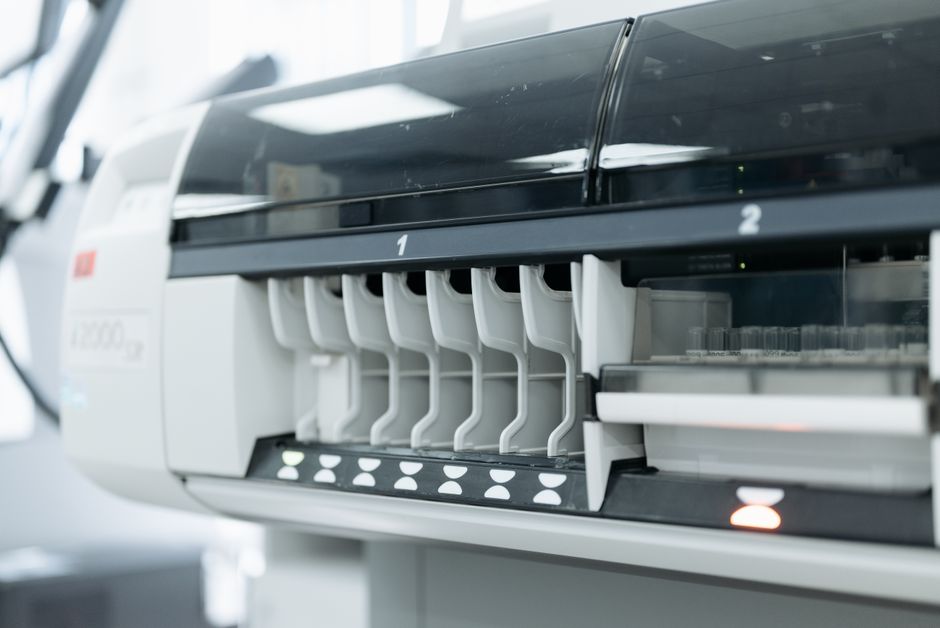
Photo by Pavel Danilyuk on Pexels
In medicine, biotech is revolutionary. You've probably heard of gene therapy, where scientists modify a person's genes to treat or cure disease. This often involves introducing new, healthy genes to replace faulty ones. Another big area is drug development, particularly with biologics, which are medicines derived from living organisms, like insulin produced by genetically engineered bacteria. Diagnostics also use biotech, for instance, in rapid COVID-19 tests or advanced cancer screenings.
2.2 Agricultural Applications
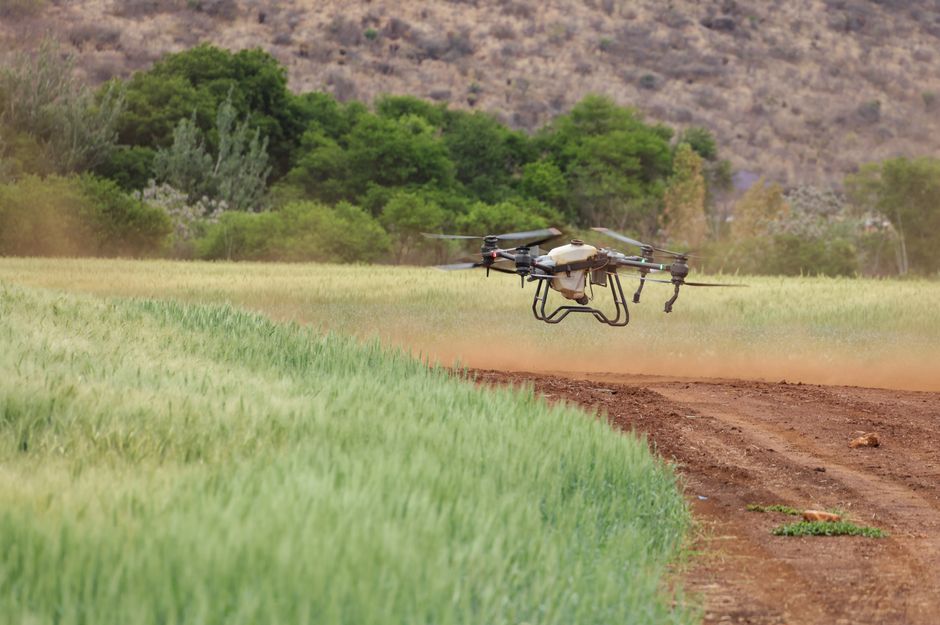
Photo by Magda Ehlers on Pexels
Biotech helps us feed a growing world population. Genetically Modified Organisms (GMOs) in agriculture involve altering a plant's DNA to introduce traits like pest resistance, herbicide tolerance, or improved nutritional value. Think of corn that can fight off certain insects or rice enriched with Vitamin A. You'll also see biotech in animal breeding to improve livestock health and productivity.
2.3 Industrial and Environmental Applications

Photo by Richard REVEL on Pexels
Beyond health and food, biotech has industrial uses. Biofuels use biomass to create energy, reducing our reliance on fossil fuels. Bioremediation uses microorganisms to clean up pollutants, like oil spills or toxic waste. Biotech also creates enzymes for detergents, textiles, and food processing, making production more efficient and often more environmentally friendly.
2.4 Bioethics: The "Should We?" Question

Photo by Ann H on Pexels
With great power comes great responsibility, right? That's where bioethics comes in. It's the study of the ethical, social, and legal issues arising from advances in biology and medicine. When you're dealing with life itself, you need to ask tough questions.
Here are some key ethical considerations:
- Human Gene Editing: If you can edit genes to prevent diseases, should you also edit them to enhance traits like intelligence or athletic ability? What about "designer babies"?
- Privacy and Data: Genetic sequencing is becoming common. Who owns your genetic data? How should it be used, and how do you protect against discrimination based on genetic predispositions?
- Environmental Impact of GMOs: Could genetically modified crops affect biodiversity? What are the long-term ecological consequences of introducing these organisms into the environment?
- Access and Equity: Will advanced biotechnologies only be available to the wealthy, widening health disparities?
- Animal Welfare: How far is too far in using animals for research or genetic modification?
It's not about stopping progress, but ensuring it's done responsibly and justly. You need to consider the potential benefits against the potential harms and reflect on societal values.
graph TD
    A["Biotechnology Applications"] --> B["Medical/Healthcare"]
    A --> C["Agriculture/Food"]
    A --> D["Industrial/Environmental"]

    B --> B1["Gene Therapy (e.g., Cystic Fibrosis)"]
    B --> B2["Drug Development (e.g., Insulin, Antibodies)"]
    B --> B3["Diagnostics (e.g., PCR Tests, Genetic Screens)"]

    C --> C1["GMO Crops (e.g., Pest Resistance, Vitamin Enrichment)"]
    C --> C2["Animal Breeding (e.g., Disease Resistance)"]
    C --> C3["Biopesticides/Biofertilizers"]

    D --> D1["Biofuels (e.g., Ethanol from Corn)"]
    D --> D2["Bioremediation (e.g., Oil Spill Cleanup)"]
    D --> D3["Enzyme Production (e.g., Detergents)"]

    A --> E["Bioethical Considerations"]
    E --> E1["Human Gene Editing (Therapy vs. Enhancement)"]
    E --> E2["Privacy of Genetic Data"]
    E --> E3["Environmental Impact of GMOs"]
    E --> E4["Equity and Access to Technologies"]
    E --> E5["Animal Welfare"]
3. Worked Example
Let's consider CRISPR-Cas9 gene editing in humans, a powerful biotech application, and its associated bioethics.
Imagine you're a bioethicist reviewing a proposal for a clinical trial. The trial aims to use CRISPR to correct a genetic mutation causing Sickle Cell Anemia (SCA), a severe blood disorder. Patients with SCA have a single faulty gene that leads to misshapen red blood cells, causing pain, organ damage, and shortened life expectancy.
The Application: Scientists propose to take stem cells from an SCA patient, use CRISPR to correct the faulty gene in those cells, and then reintroduce the corrected cells back into the patient. The goal is to produce healthy red blood cells, effectively curing the disease.
The Bioethical Dilemmas:
- Safety and Efficacy: While promising, is the CRISPR treatment absolutely safe? Could it cause unintended "off-target" edits in other parts of the genome, leading to new problems? Are the effects permanent and stable? This is the primary ethical duty in medical research: "do no harm."
- Informed Consent: Patients in the trial would need to fully understand the risks, potential benefits, and uncertainties. How do you explain complex gene editing to someone who might be desperate for a cure, ensuring their consent is truly informed and voluntary?
- Germline vs. Somatic Editing: This trial targets somatic cells (non-reproductive cells), meaning the genetic changes won't be passed down to future generations. If the technology advances to safely edit germline cells (sperm, eggs, embryos), the ethical implications multiply, as those changes would be heritable. This distinction is a major ethical line.
- Cost and Access: If successful, this therapy will likely be extremely expensive. How do you ensure equitable access so that only the wealthy aren't cured of SCA, while others suffer? This touches on distributive justice.
Your job as the bioethicist isn't to say "no" outright but to ensure these questions are thoroughly addressed, risks are mitigated, and societal values are respected throughout the research and potential implementation.
4. Key Takeaways
- Biotechnology applies biological systems to create products and processes, spanning medicine, agriculture, and industry.
- Medical biotech includes gene therapy, drug development (biologics), and advanced diagnostics.
- Agricultural biotech focuses on GMOs for improved crop traits and animal health.
- Industrial biotech contributes to biofuels, bioremediation, and enzyme production.
- Bioethics is crucial for evaluating the moral, social, and legal implications of biotech advancements.
- Key ethical questions revolve around human gene editing (therapy vs. enhancement), data privacy, environmental impact, and equitable access.
- Distinguishing between somatic cell and germline cell editing is a critical ethical consideration in human gene therapies.
Common Mistakes to Avoid:
* Assuming all GMOs are inherently "bad" or "good" without considering the specific application and its impact.
* Confusing gene therapy (correcting disease-causing genes) with gene enhancement (adding new traits).
* Ignoring the "human element" in biotech discussions; these aren't just scientific problems but societal ones.
* Thinking bioethics is about stopping innovation instead of guiding it responsibly.
5. Now Try It
Spend 15 minutes researching a specific biotechnology application that you find interesting (e.g., cultured meat, CRISPR "gene drives," synthetic biology for drug production). For your chosen application, identify at least two potential benefits and two significant ethical concerns. Think about who benefits, who might be harmed, and what values are at stake.
What success looks like: You should be able to clearly articulate the application, its promise, and at least two distinct ethical questions it raises, showing you can think critically beyond just the science.
Frequently asked about Biotechnology Applications and Bioethics
Study this next
Get the full BioTech curriculum
Clone the complete plan to your dashboard for unlimited AI-generated notes, practice quizzes, and a personalised revision schedule.
Save this course free