Regulation of Respiration and Respiratory Disorders
From the bio respiratory sys .in man curriculum
TL;DR
Your body finely tunes breathing to match its needs, primarily by sensing CO2 levels. When this regulation goes awry, or if there's damage to the respiratory system, you can develop various breathing disorders. Understanding these mechanisms helps you grasp how your body maintains crucial gas exchange.
1. The Mental Model
Think of your breathing as an automatic thermostat. It constantly monitors your body's "temperature" (mostly CO2 and pH) and adjusts how fast and deep you breathe to keep those levels just right, without you even thinking about it.
2. The Core Material
Your body regulates respiration through a complex feedback loop involving your brain, chemoreceptors, and respiratory muscles. The primary goal is to maintain appropriate levels of oxygen (O2) and carbon dioxide (CO2) in your blood.
How Your Body Controls Breathing

Photo by Anastasia Shuraeva on Pexels
The respiratory center in your brainstem (medulla oblongata and pons) sets the basic rhythm of breathing. It sends signals to your diaphragm and intercostal muscles, causing them to contract for inhalation and relax for exhalation.
Chemoreceptors are key sensors:
* Central chemoreceptors are in your brainstem and are highly sensitive to changes in the pH of your cerebrospinal fluid, which is mainly influenced by CO2 levels in your blood. High CO2 means lower pH (more acidic), triggering increased breathing.
* Peripheral chemoreceptors are in your carotid arteries and aorta (carotid and aortic bodies). They primarily detect changes in blood O2, CO2, and pH. They're especially important when O2 levels drop significantly.
Other factors influencing respiration include:
* Stretch receptors in your lungs prevent over-inflation.
* Irritant receptors in your airways respond to dust or fumes, causing coughing or sneezing.
* Proprioceptors in muscles and joints increase breathing during exercise.
* Higher brain centers (cortex) allow for voluntary control (holding your breath, speaking).
Common Respiratory Disorders
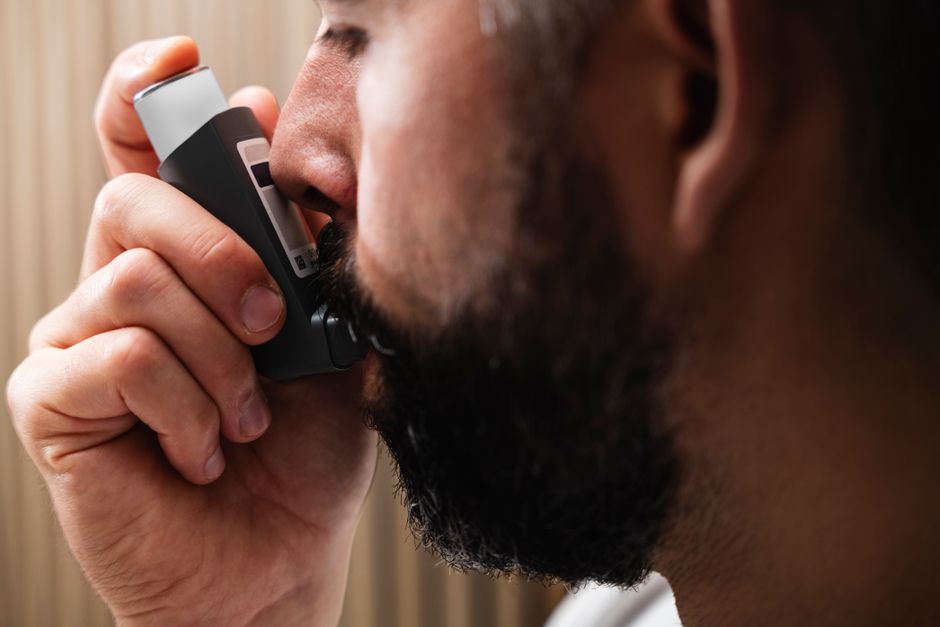
Photo by Cnordic Nordic on Pexels
These disorders often arise from problems with regulation, airway function, or gas exchange surfaces.
- Asthma: Chronic inflammation and narrowing of the airways, often triggered by allergens, exercise, or irritants. This leads to wheezing, shortness of breath, and coughing.
- Chronic Obstructive Pulmonary Disease (COPD): A group of progressive lung diseases (like emphysema and chronic bronchitis) that block airflow and make breathing difficult. Smoking is the leading cause.
- Sleep Apnea: Interrupted breathing during sleep. Obstructive sleep apnea (OSA) is common, where soft tissues in the throat temporarily block the airway.
- Pneumonia: Infection that inflames the air sacs in one or both lungs, which may fill with fluid or pus. This impairs gas exchange.
- Tuberculosis (TB): A bacterial infection that primarily affects the lungs, causing persistent cough, fever, and weight loss.
- Cystic Fibrosis (CF): A genetic disorder that causes thick, sticky mucus to build up in the lungs, digestive tract, and other areas, leading to severe breathing and digestive problems.
graph TD
    A["Blood CO2 & pH Levels"] --> B["Central Chemoreceptors (Brainstem)"];
    B --> C{{"Respiratory Center (Medulla/Pons)"}};
    D["Blood O2, CO2, & pH Levels"] --> E["Peripheral Chemoreceptors (Carotid/Aortic Bodies)"];
    E --> C;
    C --> F["Diaphragm & Intercostal Muscles"];
    F --> G["Breathing Rate & Depth"];
    G --> A;
    G --> D;
    H["Lung Stretch Receptors"] --> C;
    I["Irritant Receptors"] --> C;
    J["Proprioceptors (Muscles/Joints)"] --> C;
    K["Higher Brain Centers (Voluntary Control)"] --> C;
    C -- "Dysfunction/Damage" --> L["Respiratory Disorders"];
    L --> M["Impaired Gas Exchange"];
    L --> N["Breathing Difficulties"];
3. Worked Example
Imagine you're running a sprint. Your muscles are working hard, producing a lot of CO2 as a byproduct and consuming O2. The increased CO2 lowers your blood pH, making it more acidic. This change is detected very quickly by your central chemoreceptors. Simultaneously, your peripheral chemoreceptors might also sense a slight drop in O2 and the pH change. These signals are sent to your respiratory center. The respiratory center, in response, increases the frequency and depth of your breaths – you start panting. This increased ventilation helps you exhale more CO2, bringing your blood pH back towards normal, and also ensures you're taking in enough O2 to meet your muscles' demands.
4. Key Takeaways
- Your brainstem's respiratory center sets the basic rhythm of breathing.
- CO2 levels and blood pH are the primary drivers for adjusting your breathing rate.
- Chemoreceptors in your brain and arteries constantly monitor blood gas levels.
- Many factors, including exercise and emotions, can influence your breathing patterns.
- Respiratory disorders often involve inflammation, obstruction, infection, or genetic defects, disrupting normal gas exchange.
-
Maintaining healthy lungs and avoiding irritants like smoke is crucial for preventing many respiratory diseases.
-
Common mistakes to avoid:
- Don't confuse the primary role of CO2 (via pH) in normal breathing regulation with O2's role (which becomes critical during severe O2 drops).
- Don't think of breathing as purely voluntary; most of it is automatic and subconscious.
- Don't assume all respiratory disorders have the same cause; they vary widely from infections to genetics to lifestyle.
- Don't underestimate the interconnectedness of different body systems; respiration affects and is affected by cardiovascular and nervous systems.
5. Now Try It
Think about what happens when you hold your breath. Try to hold your breath for as long as you can. What sensation eventually forces you to breathe again? How does this relate to the chemoreceptors we discussed? What if you hyperventilate before holding your breath – how might that change the outcome, and why?
Success looks like: You can explain the "urge to breathe" in terms of rising CO2 and falling pH, and speculate how hyperventilating (which lowers baseline CO2) would temporarily extend your breath-holding time before the same CO2/pH triggers kick in.
Frequently asked about Regulation of Respiration and Respiratory Disorders
Study this next
Get the full bio respiratory sys .in man curriculum
Clone the complete plan to your dashboard for unlimited AI-generated notes, practice quizzes, and a personalised revision schedule.
Save this course free