Regulation of Respiration and Gas Exchange Efficiency
From the Biology ( Transport of Oxygen and Carbon Dioxide) curriculum
TL;DR
Your body finely tunes how you breathe and how gases move in and out of your blood. This regulation primarily depends on CO2 levels, not O2. Efficient gas exchange is crucial for delivering oxygen to tissues and removing carbon dioxide.
1. The Mental Model
Think of your respiratory system as a thermostat. It's constantly checking the "temperature" (CO2 and O2 levels in your blood) and adjusting the "furnace" (breathing rate and depth) to keep those levels just right for your body's needs.
2. The Core Material
Your body has incredible ways to ensure you get enough oxygen and get rid of enough carbon dioxide. This process is largely involuntary and highly responsive to changes in your blood chemistry.
The primary driver for regulating breathing is the concentration of carbon dioxide (CO2) in your blood. When CO2 levels rise (making your blood more acidic), specialized sensors called chemoreceptors detect this.
Chemoreceptors: The Body's Air Quality Sensors

Photo by Ulrick Trappschuh on Pexels
There are two main types of chemoreceptors:
- Central chemoreceptors: Located in your brainstem, these are extremely sensitive to changes in the pH (acidity) of your cerebrospinal fluid, which is directly influenced by blood CO2 levels.
- Peripheral chemoreceptors: Located in your carotid arteries (neck) and aortic arch (chest), these monitor O2, CO2, and pH levels in your arterial blood. While they can respond to low oxygen, their main role in normal breathing regulation is detecting CO2 and pH changes.
The Brainstem: The Respiratory Control Center

Photo by Cnordic Nordic on Pexels
Your medulla oblongata and pons (parts of your brainstem) act as the command center. They receive signals from chemoreceptors and other sources (like stretch receptors in your lungs) and then send signals to your diaphragm and intercostal muscles to adjust your breathing rate and depth.
Oxygen's Role (The Backup Plan)
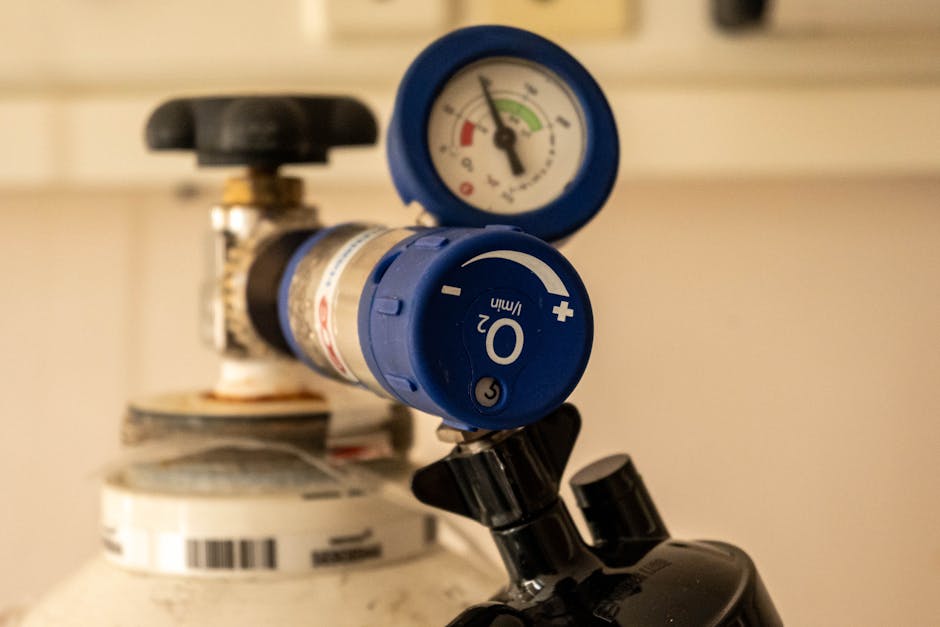
Photo by Vladimir Srajber on Pexels
While CO2 is the main regulator, very low levels of oxygen (hypoxia) will also stimulate peripheral chemoreceptors, increasing your breathing rate. This is more of an emergency response, as your body is usually much more concerned with maintaining stable CO2.
Gas Exchange Efficiency
Photo by Robert So on Pexels
Efficient gas exchange depends on several factors, mainly:
- Partial Pressure Gradients: Gases move from areas of high partial pressure to low partial pressure. In the lungs, O2 goes from high pressure in alveoli to low pressure in blood; CO2 goes from high pressure in blood to low pressure in alveoli.
- Surface Area: The vast number of alveoli provide a huge surface area for gas exchange.
- Diffusion Distance: The alveolar
Frequently asked about Regulation of Respiration and Gas Exchange Efficiency
Study this next
Get the full Biology ( Transport of Oxygen and Carbon Dioxide) curriculum
Clone the complete plan to your dashboard for unlimited AI-generated notes, practice quizzes, and a personalised revision schedule.
Save this course free