Introduction to the Respiratory System
From the bio respiratory sys .in man curriculum
TL;DR
Your respiratory system is how your body gets oxygen into your blood and removes carbon dioxide. It involves a series of tubes and sacs that move air in and out. This process, called respiration, is vital for your cells to produce energy.
1. The Mental Model
Think of your respiratory system as an air pump with a built-in exchange factory. You breathe air in, it's filtered and warmed, oxygen gets swapped for waste gas, and then you breathe the waste out.
2. The Core Material
Your respiratory system is a complex network designed to facilitate gas exchange between your body and the environment. This exchange is critical because your cells need oxygen to perform cellular respiration, a process that creates energy (ATP) from nutrients. A byproduct of this process is carbon dioxide, which needs to be removed.
There are two main parts: the upper respiratory tract and the lower respiratory tract.
Upper Respiratory Tract
Photo by Pavel Danilyuk on Pexels
This includes your nose, nasal cavity, pharynx (throat), and larynx (voice box). Its job is to filter, warm, and humidify the air you breathe before it reaches your lungs. Hairs in your nose trap large particles, and mucus throughout this tract catches smaller ones.
Lower Respiratory Tract
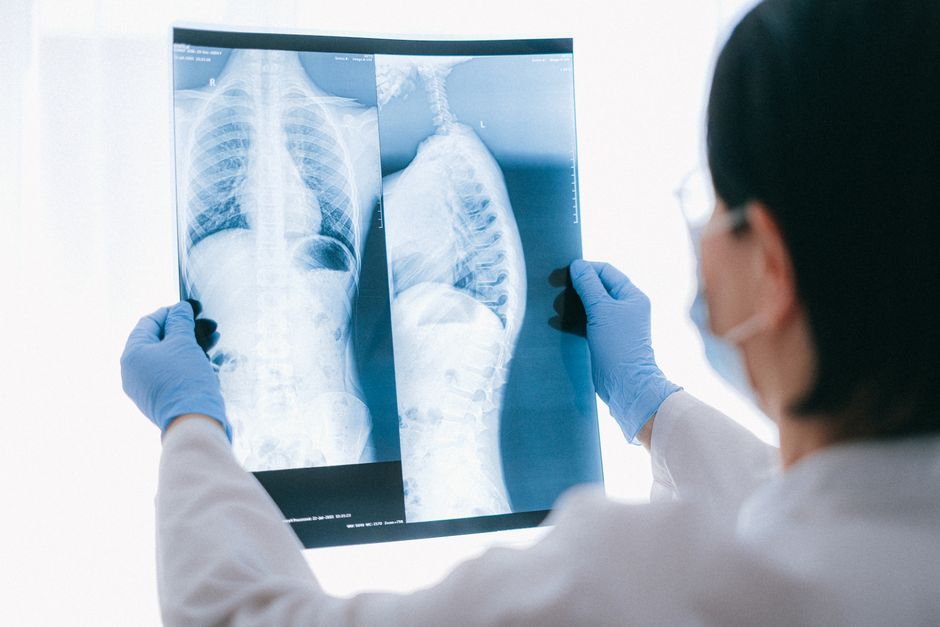
Photo by Anna Shvets on Pexels
This part consists of your trachea (windpipe), bronchi, bronchioles, and lungs, which contain the alveoli. This is where the actual gas exchange happens.
- Trachea: A strong tube that carries air from the larynx to the bronchi.
- Bronchi: The trachea splits into two main bronchi, one for each lung. These branch into smaller tubes called bronchioles.
- Bronchioles: Tiny tubes that lead to the alveoli.
- Alveoli: These are microscopic air sacs, like tiny balloons, where oxygen diffuses into your bloodstream and carbon dioxide diffuses out. They're surrounded by capillaries (tiny blood vessels) for efficient exchange.
The entire process of breathing is controlled by your diaphragm and intercostal muscles, which change the pressure in your chest cavity to draw air in (inhalation) and push it out (exhalation).
graph TD
    A["Nose/Mouth (Air Entry)"] --> B["Pharynx (Throat)"]
    B --> C["Larynx (Voice Box)"]
    C --> D["Trachea (Windpipe)"]
    D --> E["Bronchi (Main Airways)"]
    E --> F["Bronchioles (Smaller Airways)"]
    F --> G["Alveoli (Gas Exchange Sacs)"]
    G --> H["Capillaries (Blood Vessels)"]
    H --> I["Bloodstream (O2 Transport)"]
    G --> J["Exhaled Air (CO2 Removal)"]

    style A fill:#aaffdd,stroke:#333,stroke-width:2px
    style G fill:#ffccaa,stroke:#333,stroke-width:2px
    style I fill:#ccddff,stroke:#333,stroke-width:2px
    style J fill:#aaffdd,stroke:#333,stroke-width:2px
3. Worked Example
Let's trace a molecule of oxygen (O2) from the atmosphere to your blood. When you inhale, O2 enters your nose, passes through your pharynx, larynx, and down your trachea. It then travels into a main bronchus, through progressively smaller bronchioles, and finally reaches an alveolus. Here, because there's more O2 in the alveolus than in the surrounding capillary blood, the O2 molecule diffuses across the thin alveolar and capillary walls into your bloodstream. Once in the blood, it hitches a ride on a red blood cell to be delivered to your body's cells.
Simultaneously, a carbon dioxide (CO2) molecule, having been produced by a cell, travels in your blood back to the lungs. When it reaches a capillary surrounding an alveolus, there's more CO2 in the blood than in the alveolus, so it diffuses from the blood into the alveolus. When you exhale, this CO2 molecule is expelled from your body.
4. Key Takeaways
- The respiratory system's main job is to get oxygen into your blood and remove carbon dioxide.
- It's divided into upper (nose, pharynx, larynx) and lower (trachea, bronchi, lungs) tracts.
- The alveoli are the primary sites where gas exchange (O2 in, CO2 out) occurs.
- The diaphragm and intercostal muscles drive the mechanical process of breathing.
- Air is warmed, humidified, and filtered before reaching your lungs.
Common Mistakes to Avoid:
- Thinking gas exchange happens anywhere other than the alveoli.
- Forgetting that CO2 is a waste product that needs to be removed.
- Confusing the roles of the upper and lower respiratory tracts.
- Underestimating the importance of clean air for your system.
5. Now Try It
Draw a simplified diagram of your respiratory system, labeling the nose, pharynx, larynx, trachea, bronchi, and lungs. Then, in one or two sentences for each, describe the primary function of each labeled part.
Frequently asked about Introduction to the Respiratory System
Study this next
Get the full bio respiratory sys .in man curriculum
Clone the complete plan to your dashboard for unlimited AI-generated notes, practice quizzes, and a personalised revision schedule.
Save this course free