Common Respiratory Disorders and Environmental Impacts
From the Biology ( Transport of Oxygen and Carbon Dioxide) curriculum
TL;DR
Respiratory disorders make breathing difficult due to problems in your airways and lungs, often caused or worsened by factors in your environment. Understanding these links helps you protect your respiratory health. Air pollution, smoking, and allergens are major environmental culprits affecting your breathing.
1. The Mental Model
Think of your respiratory system like a delicate filter and air exchange unit. When harmful stuff from your environment gets in, it can clog, irritate, or damage this system, leading to breathing problems. It's like a car engine needing clean air; if it breathes in dirty air, it won't run well.
2. The Core Material
Your respiratory system is constantly exposed to the outside world, making it vulnerable to various environmental factors that can cause or aggravate disorders. These disorders range from short-term irritations to chronic, life-threatening conditions.
2.1 Common Respiratory Disorders
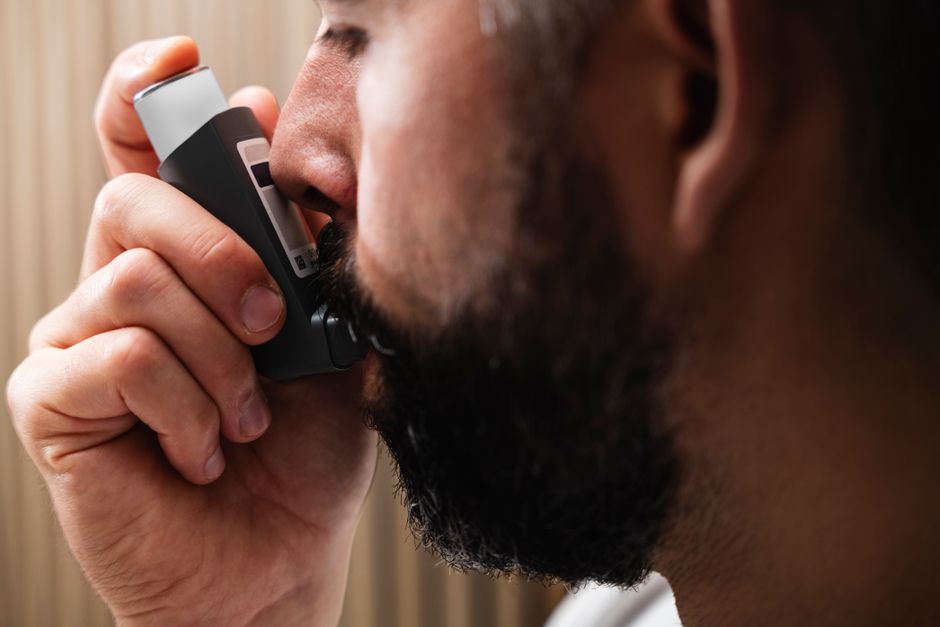
Photo by Cnordic Nordic on Pexels
- Asthma: A chronic inflammatory disease where your airways narrow and swell, producing extra mucus. This makes breathing difficult and triggers coughing, wheezing, and shortness of breath. It's often triggered by allergens, exercise, or irritants.
- Chronic Obstructive Pulmonary Disease (COPD): An umbrella term for progressive lung diseases like emphysema (damage to air sacs) and chronic bronchitis (inflammation of bronchial tubes). It makes breathing hard and worsens over time, primarily caused by long-term exposure to irritating gases or particulate matter, most often from cigarette smoke.
- Pneumonia: An infection that inflames the air sacs in one or both lungs, which may fill with fluid or pus. It can be caused by bacteria, viruses, or fungi and can range from mild to life-threatening.
- Lung Cancer: Uncontrolled cell growth in the lungs. It's highly linked to smoking and exposure to substances like asbestos or radon.
- Allergic Rhinitis (Hay Fever): Inflammation of the nasal passages caused by an allergic reaction to airborne allergens like pollen, dust mites, or pet dander. It's not strictly a "lung disorder" but significantly affects the upper respiratory tract.
2.2 Environmental Impacts
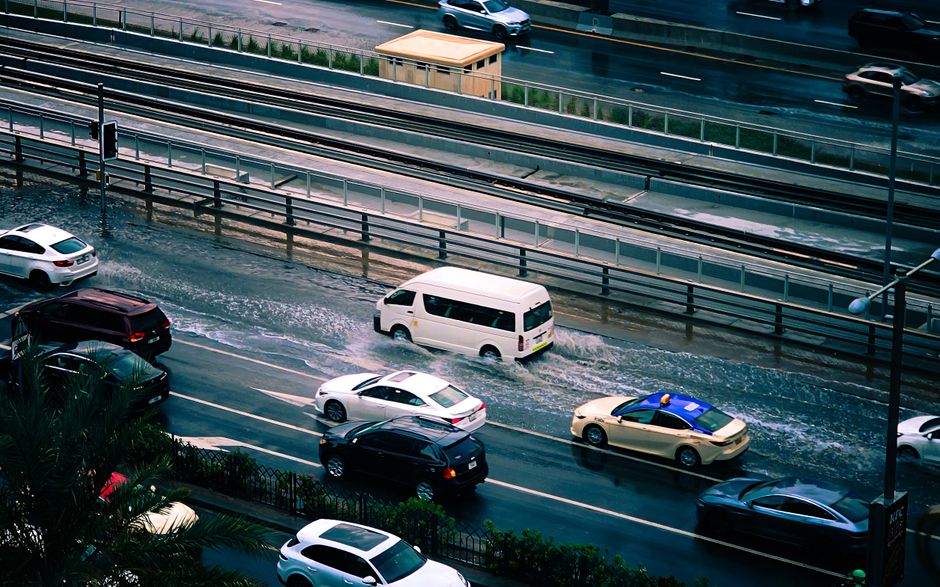
Photo by M. Omar on Pexels
Environmental factors play a huge role in both causing and exacerbating respiratory disorders.
- Air Pollution: This is a major factor.
- Particulate Matter (PM2.5, PM10): Tiny solid or liquid particles in the air (e.g., from car exhaust, industrial emissions, wildfires). They can penetrate deep into your lungs, causing inflammation, reducing lung function, and worsening asthma or COPD.
- Gases (Ozone, Nitrogen Dioxide, Sulfur Dioxide): These irritate your airways, making them more sensitive and increasing the risk of respiratory infections. Ground-level ozone, a component of smog, is particularly harmful.
- Smoking (Active and Passive):
- Active Smoking: The leading cause of COPD and lung cancer. It damages lung tissue, paralyzes cilia (tiny hairs that clear mucus), and triggers chronic inflammation.
- Passive Smoking (Secondhand Smoke): Exposure to other people's smoke. It significantly increases the risk of asthma, respiratory infections, and lung cancer, especially in children.
- Allergens:
- Pollen: From trees, grasses, and weeds, triggering seasonal allergies.
- Dust Mites: Microscopic insects found in house dust.
- Pet Dander: Tiny flakes of skin from animals.
- Mold: Fungi that grow in damp places.
These can trigger asthma attacks and allergic rhinitis in sensitive individuals.
- Occupational Hazards: Exposure to certain substances in the workplace can lead to respiratory diseases. Examples include asbestos (asbestosis, mesothelioma), silica dust (silicosis), and coal dust (coal workers' pneumoconiosis).
- Indoor Air Quality: Poor ventilation, indoor pollutants like radon gas, mold, or chemicals from cleaning products can worsen respiratory conditions.
Here's how these factors can interact:
graph TD
    A["Environmental Factors"] --> B{"Impact on Respiratory System"}
    B --> C["Inflammation & Irritation"]
    B --> D["Airway Narrowing"]
    B --> E["Tissue Damage"]

    A --> F["Air Pollution (PM, Ozone)"]
    A --> G["Smoking (Active/Passive)"]
    A --> H["Allergens (Pollen, Dust Mites)"]
    A --> I["Occupational Hazards"]

    F --> C
    G --> C
    G --> E
    H --> C
    H --> D
    I --> E
    I --> C

    C --> J["Asthma Exacerbation"]
    C --> K["Chronic Bronchitis (COPD)"]
    D --> J
    D --> K
    E --> L["Emphysema (COPD)"]
    E --> M["Lung Cancer"]
    C --> N["Increased Infection Risk (e.g., Pneumonia)"]
3. Worked Example
Imagine you live in a city with high levels of particulate matter (PM2.5) from traffic and industrial emissions. You also have a family history of asthma and occasionally experience wheezing.
- Exposure: On a day with particularly bad air quality (smog alert), you decide to go for a run outside.
- Immediate Impact: The high PM2.5 levels, combined with other pollutants like ozone, irritate your already sensitive airways.
- Physiological Response: Your bronchial tubes, which are prone to inflammation due to your predisposition to asthma, constrict and produce extra mucus.
- Symptoms: You quickly develop shortness of breath, wheezing, and a persistent cough during and after your run. This is an asthma attack triggered by environmental pollution.
- Long-term Risk (if repeated): If you consistently expose yourself to such conditions, the chronic inflammation could lead to permanent airway remodeling and a worsening of your asthma, potentially increasing your risk for other chronic lung conditions over time. This illustrates how an environmental factor (air pollution) directly interacts with a pre-existing condition (asthma) to cause acute symptoms and contributes to long-term disease progression.
4. Key Takeaways
- Respiratory disorders like asthma, COPD, and lung cancer significantly impair breathing.
- Air pollution, including particulate matter and harmful gases, is a major environmental contributor to these conditions.
- Smoking (both active and passive) is the leading preventable cause of COPD and lung cancer.
- Allergens such as pollen, dust mites, and mold can trigger asthma attacks and allergic rhinitis.
- Occupational exposure to substances like asbestos or silica dust poses severe respiratory risks.
- Improving indoor and outdoor air quality is crucial for preventing and managing respiratory diseases.
Common Mistakes to Avoid:
- Ignoring air quality alerts; these are important warnings for your respiratory health.
- Thinking that passive smoking isn't as harmful as active smoking; it still poses significant risks.
- Underestimating the impact of indoor air pollutants; your home environment matters too.
- Not recognizing that even mild allergic reactions can contribute to long-term airway inflammation.
5. Now Try It
Think about your own environment (home, school, commute). List at least three potential environmental factors that could impact respiratory health in those settings. For each factor, describe one specific action you could take to minimize its negative effect on your own respiratory system or that of others.
What success looks like: You've identified specific factors like car exhaust during your commute, dust in your room, or cleaning product fumes, and suggested practical, actionable steps like walking an alternate route, regular dusting/vacuuming, or using natural cleaners/ventilating well.
Frequently asked about Common Respiratory Disorders and Environmental Impacts
Study this next
Get the full Biology ( Transport of Oxygen and Carbon Dioxide) curriculum
Clone the complete plan to your dashboard for unlimited AI-generated notes, practice quizzes, and a personalised revision schedule.
Save this course free