Human Activities' Impact on Flora and Fauna
From the class10cbse geograohy ch nature and wildlife , how have human activities affected the populationof flora and flauna ,expain 2 mark a nswer out curriculum
TL;DR
Your actions significantly reduce the variety of plants and animals on Earth. This loss is mainly due to destroying habitats, hunting, and polluting the environment. Protecting these species means understanding and changing how we interact with nature.
1. The Mental Model
Think of Earth's ecosystems as a complex web where every plant and animal has a role. When you remove even a few threads from this web through your activities, the entire structure weakens and can eventually collapse.
2. The Core Material
Your daily activities and broader societal actions have profound effects on the natural world, leading to a decline in flora (plants) and fauna (animals). This isn't just about big, dramatic events; it's also about cumulative small impacts.
Habitat Destruction and Fragmentation
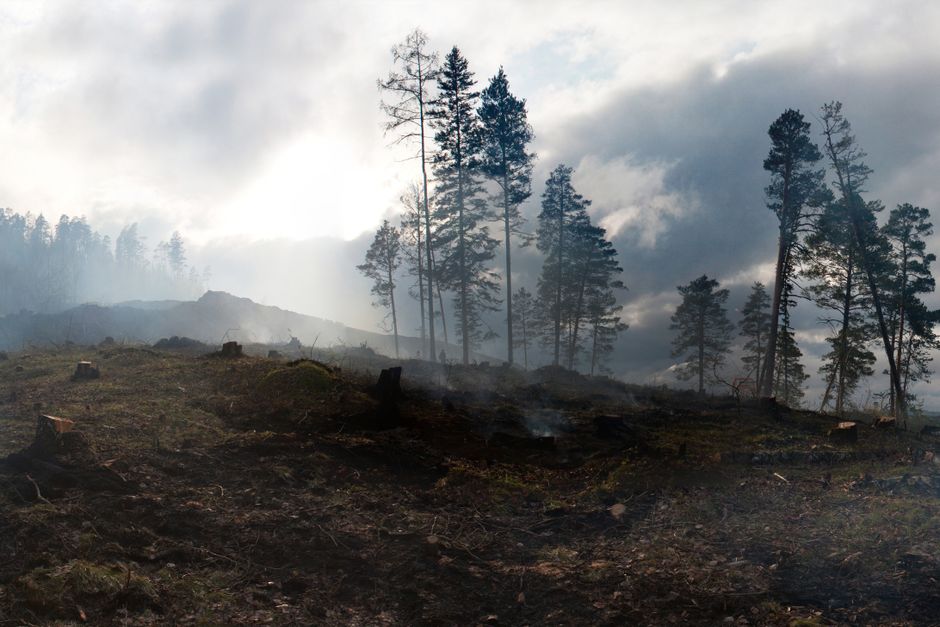
Photo by Plato Terentev on Pexels
This is arguably the biggest threat. When you clear forests for agriculture, build roads, construct cities, or mine for resources, you destroy the homes of countless species. Even if an area isn't completely destroyed, breaking large habitats into smaller, isolated patches (fragmentation) makes it harder for animals to find food, mates, and escape predators, leading to smaller, less resilient populations.
Over-exploitation and Poaching
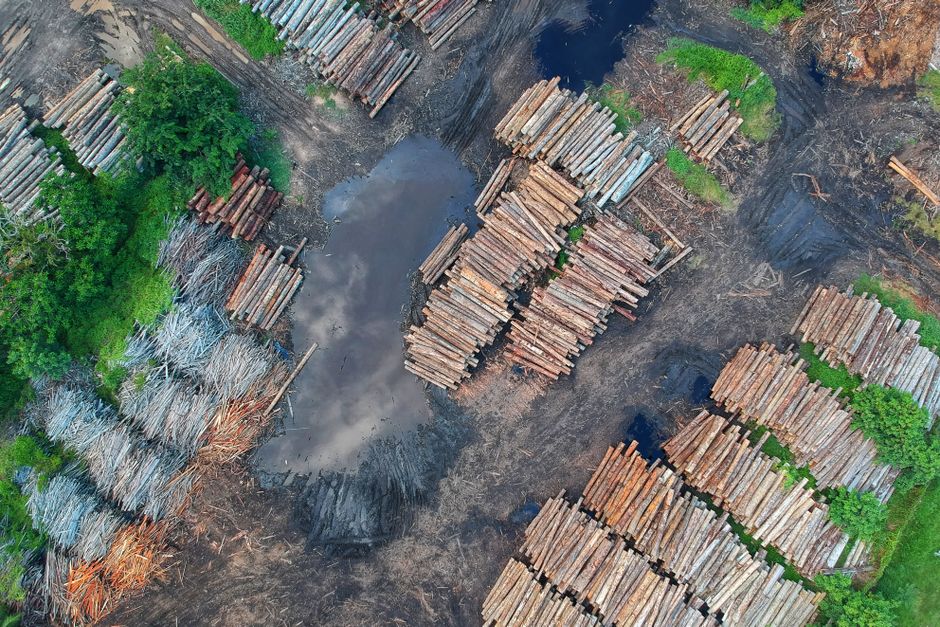
Photo by Pok Rie on Pexels
Directly, you sometimes hunt or harvest species at unsustainable rates. Poaching, especially for valuable animal parts, pushes many species to the brink of extinction. This also applies to overfishing or over-harvesting certain plant species for medicine or other uses without allowing them to replenish.
Pollution
Various forms of pollution from your activities harm flora and fauna.
* Air pollution: Acid rain damages forests and aquatic ecosystems.
* Water pollution: Industrial waste, agricultural runoff (pesticides, fertilizers), and sewage contaminate rivers, lakes, and oceans, poisoning marine life and plants.
* Soil pollution: Pesticides and chemical waste degrade soil quality, affecting plants and the organisms that live in the soil.
* Noise pollution: Disrupts animal communication and breeding patterns.
Climate Change
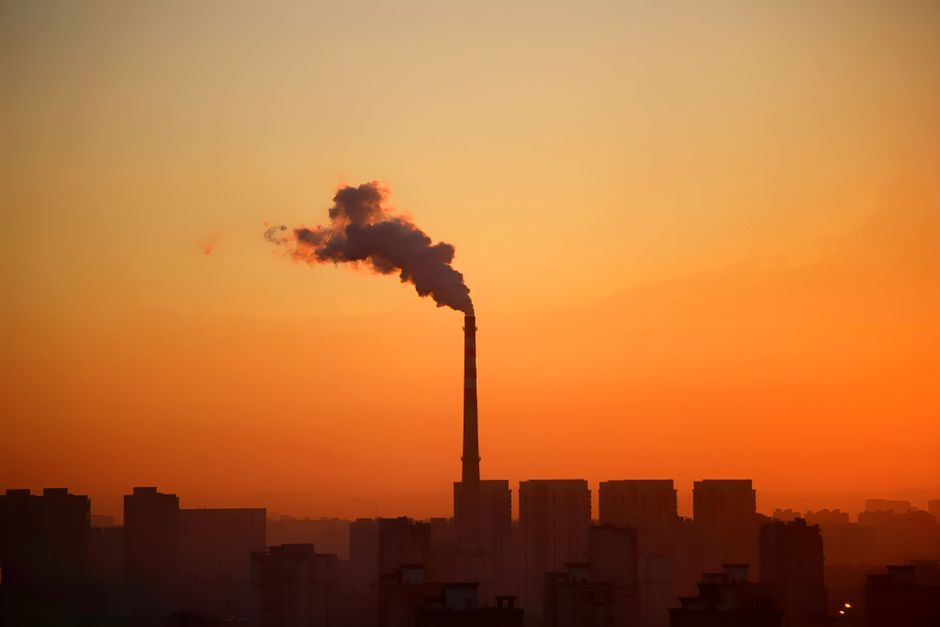
Photo by Andy Chi on Pexels
Your burning of fossil fuels releases greenhouse gases, leading to global warming. This causes shifts in temperature and rainfall patterns, forcing species to adapt, migrate, or face extinction if they can't. Melting glaciers, rising sea levels, and more frequent extreme weather events further disrupt ecosystems.
Introduction of Alien Species

Photo by Michaël Meyer on Pexels
Sometimes, you unintentionally or intentionally introduce non-native (alien or invasive) species into new environments. These species can outcompete native ones for resources, prey on them, or introduce new diseases, drastically altering the local ecosystem and reducing native populations.
Here's how these actions create a ripple effect:
graph TD
    A["Human Activities (e.g., Deforestation, Pollution, Hunting)"] --> B["Habitat Loss & Degradation"]
    A --> C["Over-exploitation (Poaching, Overfishing)"]
    A --> D["Pollution (Air, Water, Soil)"]
    A --> E["Climate Change (GHGs)"]
    A --> F["Introduction of Invasive Species"]

    B --> G["Reduced Food & Shelter for Wildlife"]
    C --> G
    D --> G
    E --> G
    F --> G

    G --> H["Decreased Population Sizes of Flora & Fauna"]
    H --> I["Increased Extinction Risk"]
    I --> J["Loss of Biodiversity"]
3. Worked Example
Imagine a large forest where a unique type of orchid (flora) grows and a specific bird species (fauna) nests only in certain trees found there. You decide to clear a significant portion of this forest to build a new housing development.
- Habitat Destruction: The cleared land directly destroys the orchid plants and removes the nesting trees for the birds.
- Habitat Fragmentation: The remaining forest patches become smaller and isolated. This means the birds have less space to forage, fewer safe nesting sites, and it's harder for them to find mates from other patches, leading to inbreeding and reduced genetic diversity. The orchid's pollinators might also disappear or find it harder to reach the isolated patches.
- Pollution: Runoff from construction sites and later from the housing development (pesticides from gardens, sewage) pollutes nearby streams, affecting other plants and animals, and potentially altering the soil chemistry, further harming the remaining orchids.
As a result, the orchid population dwindles significantly, and the bird species may even disappear from the area completely, illustrating a direct impact on both flora and fauna due to a single human activity.
4. Key Takeaways
- Habitat destruction and fragmentation are primary drivers of biodiversity loss.
- Over-hunting and over-harvesting directly deplete species populations.
- Various forms of pollution contaminate ecosystems, harming both plants and animals.
- Climate change, driven by human emissions, alters environments beyond species' ability to adapt.
- Introducing non-native species can outcompete or prey on native ones, disrupting ecological balance.
- The cumulative effect of human actions can lead to irreversible loss of species.
- Protecting biodiversity requires a multi-faceted approach to reduce our environmental footprint.
Common Mistakes to Avoid
- Don't underestimate the impact of seemingly small, everyday actions.
- Avoid thinking that only large, exotic animals are important; all species play a role.
- Don't ignore the interconnectedness of ecosystems; harming one species often affects others.
- Don't assume that nature can always recover quickly from significant disturbances.
5. Now Try It
Think about a local area near you (a park, a stream, a field, or even your backyard). Spend 15 minutes observing it. Then, list at least three specific human activities that could potentially impact the flora and fauna in that particular area. For each activity, describe one direct way it could harm a plant or animal you might find there.
Success looks like: You've identified specific, plausible human activities and linked them directly to potential negative outcomes for local plants or animals.
Frequently asked about Human Activities' Impact on Flora and Fauna
Study this next
Get the full class10cbse geograohy ch nature and wildlife , how have human activities affected the populationof flora and flauna ,expain 2 mark a nswer out curriculum
Clone the complete plan to your dashboard for unlimited AI-generated notes, practice quizzes, and a personalised revision schedule.
Save this course free