Human Activities and Environmental Impact
From the cs curriculum
Human Activities and Environmental Impact
TL;DR
Our daily actions, from what we eat to how we travel, significantly alter the natural world around us. Understanding these impacts is crucial for developing sustainable practices and mitigating negative consequences. This topic explores key human activities and their environmental effects, helping you see how your choices fit into the bigger picture.
1. The Mental Model
Think of Earth as a complex, interconnected system where every action has a reaction. When humans extract resources, produce goods, or generate waste, we're essentially putting stress on this system. Our goal is to find ways to reduce that stress and live in balance with nature.
2. The Core Material
Human activities have far-reaching impacts on the environment, often leading to global challenges like climate change, biodiversity loss, and resource depletion. Let's break down some key areas.
2.1. Energy Production and Consumption
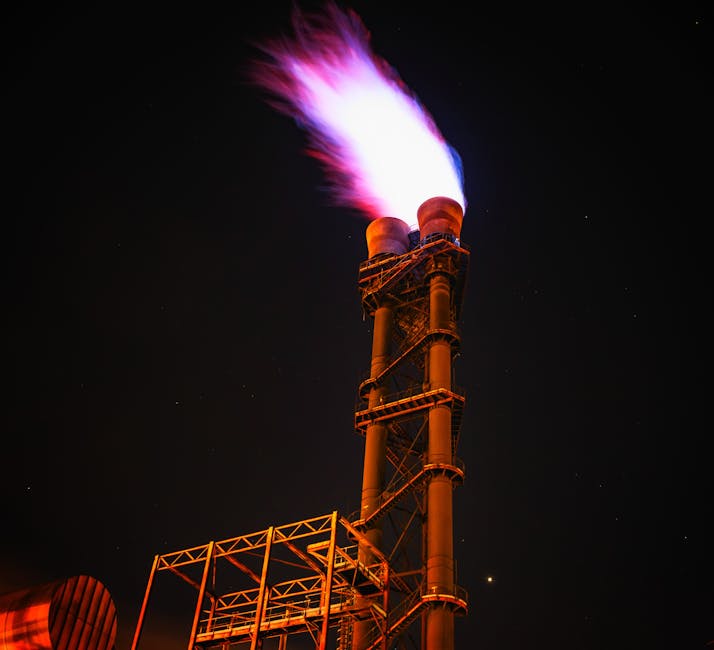
Photo by Pixabay on Pexels
Most of our energy comes from burning fossil fuels (coal, oil, natural gas). This releases greenhouse gases like carbon dioxide (CO2) into the atmosphere, trapping heat and contributing to global warming. Even renewable energy sources have environmental footprints (e.g., land use for solar farms, materials for wind turbines), but their operational emissions are much lower.
2.2. Industrial Processes and Manufacturing
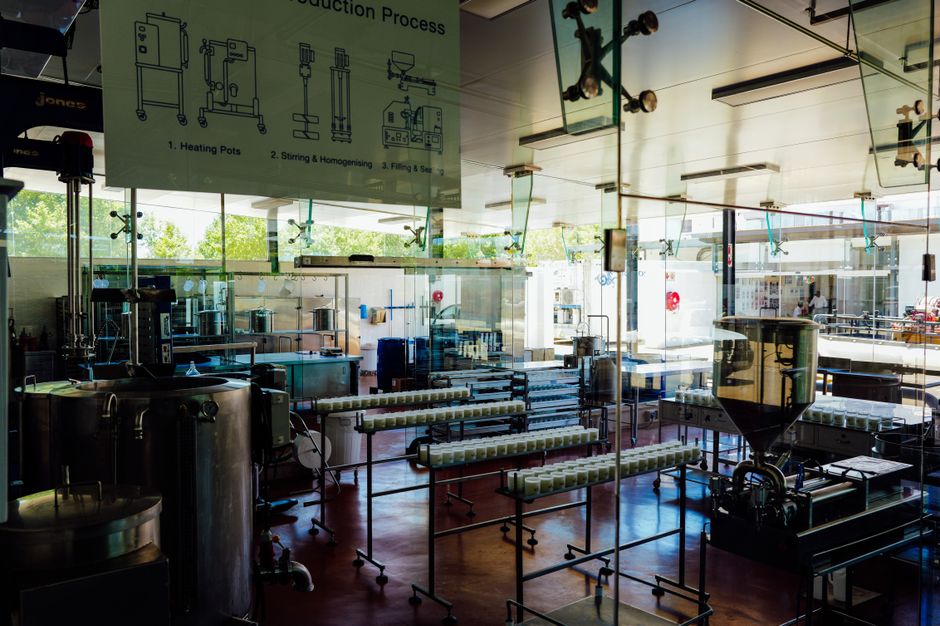
Photo by Adrien Olichon on Pexels
The production of goods, from clothing to electronics, requires raw materials, energy, and often involves chemical processes. This can lead to:
* Resource depletion: Using up finite resources like metals and rare earth elements.
* Pollution: Releasing toxic chemicals into air, water, and soil.
* Waste generation: Creating vast amounts of solid waste, much of which isn't biodegradable.
2.3. Agriculture and Land Use Change

Photo by Abinash Poudel on Pexels
How we grow food has a massive impact.
* Deforestation: Clearing forests for farmland reduces carbon sinks and destroys habitats.
* Water use: Agriculture is a major consumer of freshwater, leading to scarcity in many regions.
* Pesticides and fertilizers: These chemicals can pollute water sources and harm non-target species.
* Livestock: Methane emissions from cattle are a potent greenhouse gas, and raising livestock requires significant land and water.
2.4. Transportation
Our reliance on cars, trucks, ships, and planes, mostly powered by fossil fuels, is a significant source of air pollution and greenhouse gas emissions. Urban sprawl, driven by transportation needs, also consumes natural habitats.
2.5. Waste Generation and Disposal
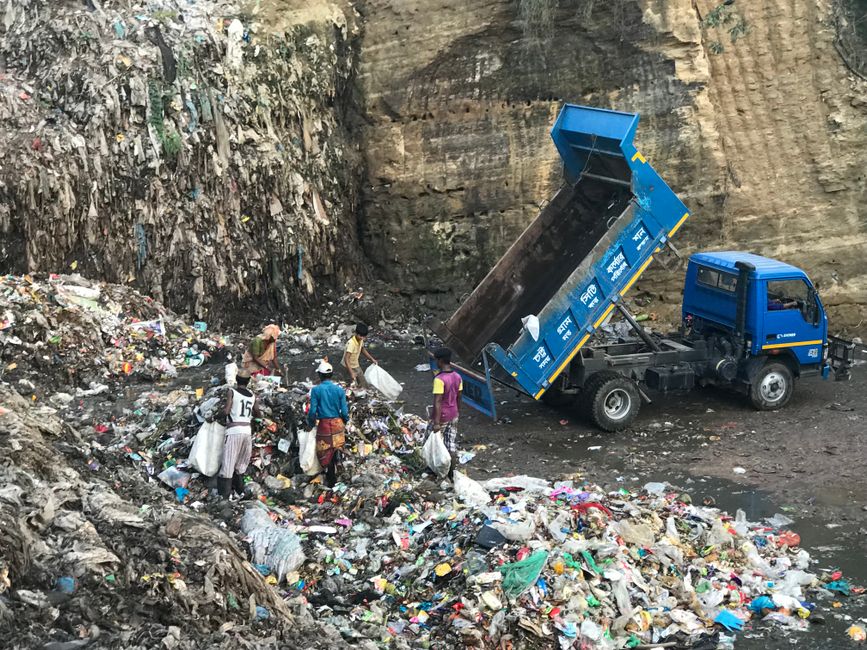
Photo by Mumtahina Tanni on Pexels
Everything we consume eventually becomes waste.
* Landfills: Take up vast amounts of space and can leach harmful chemicals into the ground and water.
* Incineration: Can release air pollutants, though modern facilities capture some emissions.
* Ocean plastic: Plastic waste chokes marine life and breaks down into microplastics that enter the food chain.
Here's a diagram illustrating the chain of effects from key human activities:
graph TD
    A["Energy Production (Fossil Fuels)"] --> B["Greenhouse Gas Emissions"]
    A --> C["Resource Extraction (Coal, Oil)"]

    D["Industrial Manufacturing"] --> B
    D --> E["Pollution (Air, Water, Soil)"]
    D --> F["Waste Generation"]
    D --> C

    G["Agriculture & Livestock"] --> H["Deforestation & Habitat Loss"]
    G --> B
    G --> E
    G --> I["Water Depletion"]

    J["Transportation"] --> B
    J --> E
    J --> H

    B --> K["Climate Change (Global Warming)"]
    E --> L["Ecosystem Damage & Biodiversity Loss"]
    I --> M["Water Scarcity"]
    H --> L

    F --> N["Landfill & Ocean Pollution"]
    N --> L
3. Worked Example
Let's consider the lifecycle of a common product: a smartphone.
- Raw Material Extraction: Mining for rare earth metals (e.g., lithium, cobalt) often involves significant energy use, habitat destruction, and creates toxic waste.
- Manufacturing: Factories use large amounts of electricity (often from fossil fuels), water, and chemicals to process materials and assemble components. This generates industrial waste and emissions.
- Transportation: Components are shipped globally, then assembled phones are transported to consumers, contributing to greenhouse gas emissions.
- Usage: Charging the phone consumes electricity, contributing to the energy demand.
- End-of-Life: When you upgrade, your old phone might end up in a landfill, where toxic chemicals can leach into the environment, or it might be recycled. Recycling recovers some materials but also requires energy and has its own environmental footprint.
This single device illustrates how multiple human activities (mining, manufacturing, energy use, transportation, waste disposal) converge to create an environmental impact.
4. Key Takeaways
- Burning fossil fuels for energy and transportation is the primary driver of greenhouse gas emissions and climate change.
- Industrial processes consume vast resources, generate pollution, and create significant waste.
- Agriculture, especially livestock farming, is a major contributor to deforestation, water pollution, and greenhouse gas emissions.
- Our consumption patterns directly influence the amount of waste generated, which often ends up polluting land and oceans.
- Every product has an environmental footprint from its raw materials to its disposal.
- Understanding these impacts helps you make more informed choices as a consumer and citizen.
Common Mistakes to Avoid:
- Thinking individual actions don't matter: While systemic change is crucial, individual choices aggregate and signal demand.
- Ignoring indirect impacts: Focusing only on obvious emissions (like car exhaust) and forgetting the impact of producing goods you buy.
- Believing one solution fits all: There's no single magic bullet; solutions are complex and multi-faceted.
- Becoming overwhelmed to inaction: Recognizing the problem is the first step; focusing on small, actionable changes is empowering.
5. Now Try It
For the next 15 minutes, pick one common item you use daily (e.g., your coffee cup, a piece of clothing, your computer). Research its journey from raw material to you, and what happens to it after you're done using it. Note down at least three distinct environmental impacts associated with its lifecycle. What's one small change you could make related to this item to reduce its impact?
Frequently asked about Human Activities and Environmental Impact
More from cs
Get the full cs curriculum
Clone the complete plan to your dashboard for unlimited AI-generated notes, practice quizzes, and a personalised revision schedule.
Create Free Account