Global Trends in HIV/AIDS: Statistics and Impact
From the BNS 100 curriculum
TL;DR
HIV/AIDS remains a significant global health challenge, though advancements in treatment have transformed it from a death sentence to a manageable chronic condition for many. Global statistics show a decline in new infections and AIDS-related deaths, but disparities persist, particularly in sub-Saharan Africa. The impact extends beyond health, affecting social, economic, and developmental aspects of communities worldwide.
1. The Mental Model
Think of HIV/AIDS as a long-distance race: we've learned how to slow down the runners and even prevent new ones from joining, but the race isn't over. It's an ongoing effort with different terrains (regions) and various obstacles (social/economic factors).
2. The Core Material
HIV (Human Immunodeficiency Virus) attacks the immune system, and AIDS (Acquired Immunodeficiency Syndrome) is the most advanced stage of an HIV infection. Over the past few decades, the global landscape of HIV/AIDS has dramatically shifted due to scientific breakthroughs, increased awareness, and widespread prevention and treatment programs.
Global Statistics: A Shifting Landscape

Photo by RDNE Stock project on Pexels
Globally, there's been remarkable progress. From 2010 to 2022, new HIV infections fell by 38% and AIDS-related deaths by 51%. However, millions still live with HIV, and many don't know their status.
- People Living with HIV (PLHIV): Around 39 million people worldwide were living with HIV in 2022.
- New Infections: Approximately 1.3 million new HIV infections occurred in 2022.
- AIDS-Related Deaths: Around 630,000 people died from AIDS-related illnesses in 2022.
Uneven Progress: Regional Disparities

Photo by thiago japyassu on Pexels
Progress isn't uniform. Sub-Saharan Africa bears the heaviest burden, accounting for about two-thirds of all people living with HIV globally. Eastern and Southern Africa, while still significantly impacted, have seen substantial reductions in new infections and deaths. Other regions, like Eastern Europe and Central Asia, have seen increases in new infections, often due to injecting drug use and lack of access to prevention services.
Impact of Antiretroviral Therapy (ART)
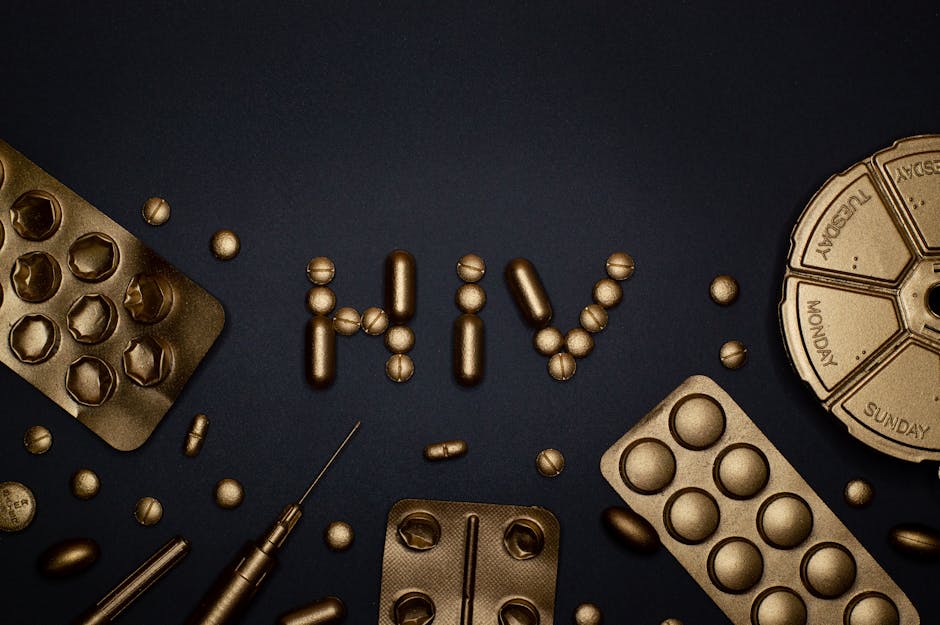
Photo by Miguel Á. Padriñán on Pexels
ART has been a game-changer. It's a combination of drugs that suppress the virus, allowing people with HIV to live longer, healthier lives. It also significantly reduces the risk of transmission. In 2022, approximately 29.8 million people were accessing ART globally. This broad access is a key reason for the decline in AIDS-related deaths.
Broader Impacts of HIV/AIDS
Photo by Miguel Á. Padriñán on Pexels
The impact of HIV/AIDS goes far beyond individual health:
- Social Impact: Stigma and discrimination remain significant challenges, affecting mental health, employment, and social integration for people living with HIV. Orphaned children due to AIDS are also a critical social concern.
- Economic Impact: High healthcare costs, loss of productivity due to illness and premature death, and a reduction in the workforce can severely impact national economies, particularly in highly affected low-income countries.
- Developmental Impact: HIV/AIDS can hinder a country's progress towards sustainable development goals, affecting education, food security, and poverty reduction efforts.
Here's a simple diagram illustrating the interconnected impacts:
graph TD
    A["HIV Infection (Individual)"] --> B["Compromised Immune System"];
    B --> C["Increased Illness & Vulnerability"];
    C --> D{"Individual Impacts"};
    D --> D1["Reduced Life Expectancy"];
    D --> D2["Mental Health Challenges (Stigma)"];
    D --> D3["Loss of Income/Productivity"];

    D --> E["Societal Impacts"];
    E --> E1["Healthcare System Strain"];
    E --> E2["Increased Orphaned Children"];
    E --> E3["Economic Burden (Lost Workforce)"];
    E --> E4["Developmental Setbacks (Education, Poverty)"];

    D1 --> E3;
    D3 --> E3;
    E2 --> E4;
3. Worked Example
Let's consider a hypothetical country, "Zorg," in Sub-Saharan Africa. In 2000, Zorg had 100,000 people living with HIV, 10,000 new infections annually, and 5,000 AIDS-related deaths. Access to ART was minimal, with only 5% of those needing it receiving treatment.
By 2022, after significant international aid and national health initiatives, Zorg implemented widespread ART programs, comprehensive prevention strategies (like condom distribution and pre-exposure prophylaxis - PrEP), and awareness campaigns.
Now, Zorg has 80,000 people living with HIV (a decrease, as some died, but many more are living longer with ART), 2,000 new infections annually (an 80% reduction), and 1,000 AIDS-related deaths (a 75% reduction). Crucially, 85% of people living with HIV are now on ART.
This example highlights how targeted interventions, particularly ART rollout and prevention efforts, can drastically alter the epidemiological profile and impact of HIV/AIDS in a region.
4. Key Takeaways
- HIV/AIDS statistics show a global decline in new infections and deaths, largely due to expanded access to prevention and treatment.
- Antiretroviral therapy (ART) has transformed HIV into a manageable chronic condition for many, significantly improving life expectancy and reducing transmission.
- Despite progress, significant regional disparities exist, with sub-Saharan Africa remaining the most heavily affected region.
- The impact of HIV/AIDS extends beyond health, causing significant social, economic, and developmental challenges.
- Stigma and discrimination continue to be major barriers to testing, treatment, and overall well-being for people with HIV.
Common Mistakes to Avoid:
* Assuming HIV is "over": While progress is significant, HIV/AIDS remains a serious global health threat requiring continued attention.
* Ignoring regional differences: Generalizing global trends without acknowledging diverse regional realities can lead to misinformed solutions.
* Underestimating the impact of stigma: Stigma is a powerful barrier to effective prevention and treatment efforts.
* Confusing HIV and AIDS: Remember that HIV is the virus, and AIDS is the advanced stage of the infection.
5. Now Try It
Spend 15 minutes researching the current HIV/AIDS statistics for a specific region other than Sub-Saharan Africa (e.g., Eastern Europe and Central Asia, Latin America, Asia and the Pacific). Identify one key trend (increase or decrease in infections/deaths) and one specific factor contributing to that trend in your chosen region.
What to do:
1. Go to the UNAIDS website (unaids.org) or WHO website (who.int).
2. Navigate to their data or statistics sections, focusing on specific regions.
3. Choose one region.
4. Note down the approximate numbers for people living with HIV, new infections, or AIDS-related deaths and how they've changed over the last 5-10 years.
5. Identify a reason or a policy that might explain this change.
What success looks like: You should be able to articulate a trend (e.g., "New infections in Region X increased by Y% over the last decade") and a plausible reason for it (e.g., "This is likely due to limited access to harm reduction services for injecting drug users").
Frequently asked about Global Trends in HIV/AIDS: Statistics and Impact
More from BNS 100
Get the full BNS 100 curriculum
Clone the complete plan to your dashboard for unlimited AI-generated notes, practice quizzes, and a personalised revision schedule.
Save this course free