Informal Housing: Challenges and Socio-Economic Impacts
From the Urban-rural curriculum
Informal Housing: Challenges and Socio-Economic Impacts
TL;DR
Informal housing, often called slums or shantytowns, arises when people build homes outside official rules, leading to significant challenges like poor living conditions and lack of basic services. These settlements have far-reaching negative impacts on residents' health, education, and economic opportunities, while also straining city infrastructure. Addressing informal housing requires a multi-faceted approach involving better planning, policy changes, and community engagement to improve lives and integrate these areas into the formal city.
1. The Mental Model
Think of informal housing as homes built "off the grid" – not officially planned, regulated, or served by city services. This usually happens when cities grow faster than their ability to provide affordable, legal housing and services for everyone. It's a symptom of deeper urban challenges.
2. The Core Material
Informal housing refers to settlements, neighborhoods, or dwellings built or occupied without legal recognition, official planning, or adherence to building codes. They often lack basic infrastructure and services. You'll hear terms like slums, shantytowns, favelas, or bidonvilles, all describing variations of this phenomenon.
Causes of Informal Housing
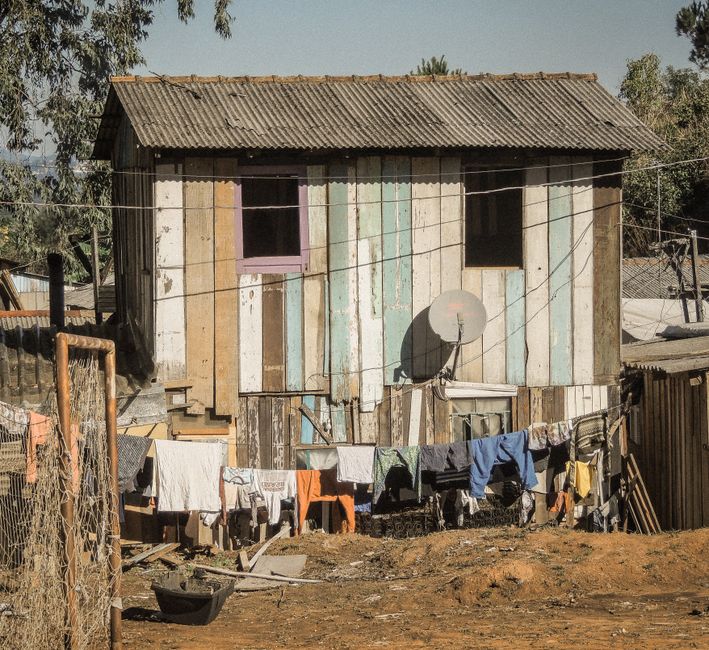
Photo by Anderson Portella on Pexels
Informal housing isn't random; it's a direct response to various pressures:
- Rapid Urbanization: Many people move to cities for jobs, but there aren't enough affordable, formal homes to go around.
- Poverty and Inequality: Low-income families can't afford formal housing, so they find the cheapest land (often unsafe) and build what they can.
- Lack of Affordable Housing Policies: When governments don't prioritize or invest enough in low-cost housing, informal options become the only choice.
- Weak Governance and Planning: Poor land management, corruption, and a lack of enforcement allow informal settlements to grow unchecked.
- Disasters and Conflicts: Natural disasters or wars can displace populations, forcing them to seek refuge in informal settlements.
Key Challenges of Informal Housing
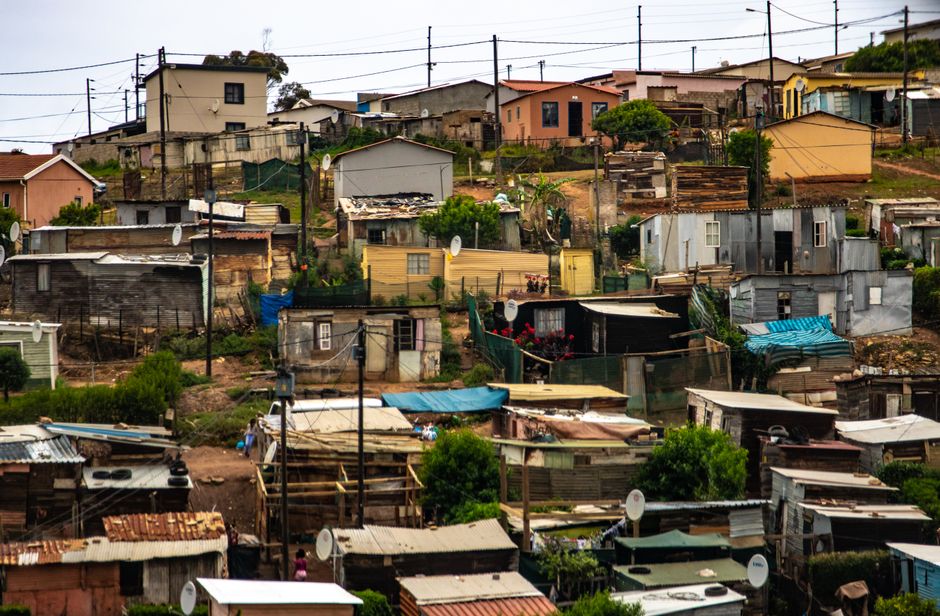
Photo by Magda Ehlers on Pexels
Living in informal settlements presents a host of daily struggles:
- Poor Living Conditions: Dwellings are often flimsy, overcrowded, and built from makeshift materials.
- Lack of Basic Services: You'll find limited or no access to clean water, sanitation (toilets, sewage), electricity, and waste collection. This leads to severe health risks.
- Health and Safety Risks: The absence of services, coupled with poor construction and often hazardous locations (e.g., floodplains, steep slopes), makes residents vulnerable to disease, accidents, and environmental hazards.
- Insecurity of Tenure: Residents don't own the land or have legal rights to their homes, making them vulnerable to eviction at any time. This discourages investment in improving their homes.
- Social Exclusion and Stigma: Informal residents are often marginalized, seen as "illegal," and face discrimination, making it hard to access jobs, education, and social support.
Socio-Economic Impacts
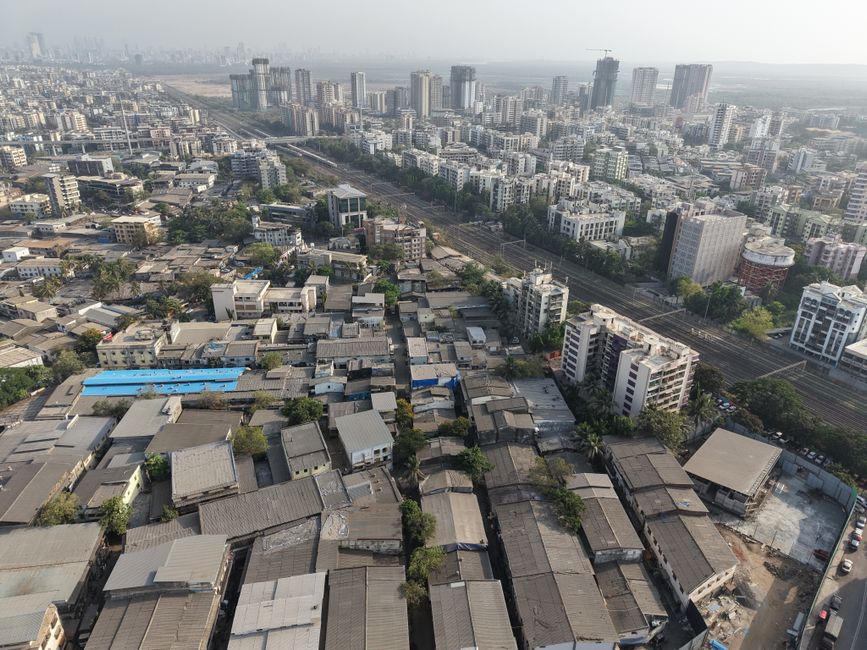
Photo by Rajkumarrr comics on Pexels
The challenges above translate directly into significant socio-economic impacts, both for the residents and the wider city.
graph TD
    A["Rapid Urbanization & Poverty"] --> B["Lack of Affordable Formal Housing"]
    B --> C["Growth of Informal Settlements"]

    C --> D["Poor Sanitation & Water Access"]
    C --> E["Insecure Land Tenure"]
    C --> F["Limited Access to Education/Healthcare"]
    C --> G["Vulnerability to Disasters"]

    D --> H["Increased Disease (Cholera, Typhoid)"]
    E --> I["Fear of Eviction, No Investment"]
    F --> J["Low Educational Attainment"]
    F --> K["Poor Health Outcomes"]
    G --> L["Loss of Life & Property"]

    H --> M["High Healthcare Costs"]
    I --> N["Economic Instability for Families"]
    J --> O["Limited Job Opportunities, Cycle of Poverty"]
    K --> O
    L --> N

    M --> P["Strain on City Resources"]
    N --> P
    O --> P
    P --> Q["Increased Urban Inequality"]
- Health Impacts: High rates of infectious diseases (due to poor sanitation and contaminated water), malnutrition, and chronic illnesses are common. Limited access to healthcare facilities makes things worse.
- Educational Attainment: Children in informal settlements often face barriers to education, including lack of nearby schools, safety concerns, and the need to work to support their families. This perpetuates a cycle of poverty.
- Economic Opportunities: Lack of formal addresses, documentation, and social networks hinders access to formal jobs. Many residents work in the informal economy, which is precarious and low-paying. Insecure tenure also means they can't use their homes as collateral for loans.
- Social Cohesion: While informal settlements often develop strong internal community ties, they can also experience high crime rates and social disorganization due to lack of services, overcrowding, and desperation.
- Urban Development and Planning: Informal settlements strain city infrastructure, planning efforts, and resource allocation. They can be seen as "unplanned" growth that makes sustainable urban development difficult. They also reduce the city's tax base if residents aren't formally recognized or taxed.
Addressing Informal Housing
Photo by Anderson Portella on Pexels
Solutions aren't simple, but generally involve:
- Upgrading: Improving existing informal settlements by providing services (water, electricity, sanitation) and secure land tenure.
- Resettlement/Relocation: Moving residents to safer, more planned locations, though this is often controversial and difficult.
- Affordable Housing Programs: Governments building or subsidizing formal, low-cost housing units.
- Policy and Planning: Better urban planning, land management, and policies that integrate informal settlements into the city's fabric.
- Community Participation: Involving residents in planning and implementing solutions to ensure they meet actual needs.
3. Worked Example
Consider the case of a rapidly growing city in South Asia, 'Urbania'. Due to a massive influx of rural migrants seeking work in its booming textile industry, Urbania's formal housing market became unaffordable for most new arrivals. As a result, a large informal settlement, "Hope Hills," sprang up on a flood-prone piece of land near the city's river.
Challenges:
* Houses in Hope Hills are built from scavenged materials like corrugated metal sheets and plastic tarps, often without foundations.
* There's no piped water; residents buy water from private vendors at exorbitant prices or use a communal hand pump that often breaks down.
* Sanitation is non-existent, with open defecation or shared pit latrines leading to frequent outbreaks of cholera and typhoid during monsoon season.
* The primary school is overcrowded, and many children drop out to work in the textile factories for meager wages.
* Residents live in constant fear of eviction by the city authorities, who view Hope Hills as an illegal encroachment. This prevents them from investing in improving their homes.
Socio-Economic Impacts:
* Health: The hospital in Urbania's formal sector is overwhelmed with patients from Hope Hills suffering from waterborne diseases, straining public health resources.
* Education: Only 30% of children from Hope Hills complete primary education, compared to 90% in formal neighborhoods. This severely limits their future job prospects.
* Economy: Many Hope Hills residents work informally, earning less than minimum wage, with no benefits or job security. They can't get bank loans because they have no collateral or formal address. This keeps families trapped in poverty.
* City Planning: Urbania's city planners struggle to extend infrastructure to Hope Hills due to its informal nature and hazardous location, complicating flood mitigation efforts for the entire city. The lack of property taxes from Hope Hills residents also means fewer funds for city services.
This example shows how the lack of formal planning and services creates a ripple effect of negative outcomes for both residents and the broader urban environment.
4. Key Takeaways
- Informal housing is a direct consequence of rapid urbanization, poverty, and inadequate affordable housing policies.
- Key challenges include poor living conditions, lack of basic services, health risks, and insecure land tenure.
- Socio-economic impacts are severe, leading to poor health, limited education, restricted economic opportunities, and social exclusion for residents.
- Informal settlements place a significant strain on urban infrastructure and hinder overall city development and planning.
-
Addressing informal housing requires a mix of upgrading existing settlements, developing affordable housing, and implementing supportive policies with community involvement.
-
Avoid viewing informal settlements solely as "problems" to be demolished; they are often vibrant communities responding to systemic failures.
- Don't underestimate the resilience and ingenuity of informal residents in creating homes and livelihoods.
- Don't ignore the political and economic drivers behind informal housing; it's rarely just an individual choice.
- Don't forget that "solutions" that don't involve the community often fail or create new problems.
5. Now Try It
Imagine you're a city planner for "Harbor View," a coastal city experiencing rapid growth. A new informal settlement, "The Flats," has emerged on low-lying land near the port, home to 5,000 residents, many working informally at the docks. Draft a short memo (200-250 words) to the Mayor outlining 3-4 key challenges this settlement poses for the city and 2-3 potential interventions, focusing on both immediate needs and long-term integration, that the city should consider. What would success look like for "The Flats" in five years?
Frequently asked about Informal Housing: Challenges and Socio-Economic Impacts
Study this next
Get the full Urban-rural curriculum
Clone the complete plan to your dashboard for unlimited AI-generated notes, practice quizzes, and a personalised revision schedule.
Create Free Account